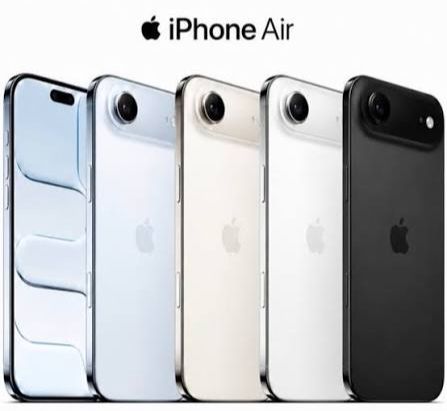
With over 220 million units sold, the iPhone 6 and 6 Plus stand as the best-selling smartphone models in Apple's history. Released in 2014, these devices revolutionized the brand by introducing larger screen sizes and setting new industry benchmarks for opening-weekend sales, remaining a definitive pillar of Apple's market dominance.
More than a decade after its release, the iPhone 6 and 6 Plus remain the most successful smartphone series in Apple’s history, with over 220 million units sold worldwide.
CUPERTINO, California — In the rapidly evolving world of mobile technology, few devices have managed to sustain their relevance as long as the Apple iPhone 6 series. Released in September 2014, the iPhone 6 and its larger sibling, the iPhone 6 Plus, set a benchmark for commercial success that remains unchallenged within the Cupertino-based company’s extensive hardware portfolio. With total global sales surpassing 220 million units, the series cemented Apple’s dominance in the premium smartphone market and fundamentally altered its design philosophy.
The success of the iPhone 6 was not merely a matter of routine upgrades; it represented a strategic pivot to meet a long-standing consumer demand for larger displays. By transitioning from the 4-inch screen of the iPhone 5s to the 4.7-inch and 5.5-inch panels of the iPhone 6 series, Apple successfully captured a massive segment of the market that had previously gravitated toward larger Android-based handsets.
A Pivot Point in Design and Utility
The iPhone 6 and 6 Plus introduced a sleek, curved-edge design that departed from the rigid, flat-sided aesthetics of its predecessors. This ergonomic shift, paired with the introduction of the A8 processor, provided a significant leap in both performance and power efficiency. Furthermore, the 6 Plus marked Apple’s inaugural entry into the "phablet" category, offering professional-grade display real estate that appealed to enterprise users and media consumers alike.
Data from industry analysts consistently rank the iPhone 6 series as the best-selling smartphone model in Apple’s history. Its longevity in the marketplace was so significant that Apple eventually re-released the device as a mid-range offering in select markets as late as 2017, proving that the hardware remained competitive years after its initial launch.
Impact on the Global Smartphone Ecosystem
The massive scale of adoption for the iPhone 6 series had a ripple effect across the broader technology industry. For consumers, the device solidified the expectation of high-performance mobile computing in a portable form factor. For developers, the screen size variation forced an optimization of applications that laid the groundwork for the modern, fluid user experience seen in subsequent iOS generations.
"The demand for the iPhone 6 and 6 Plus exceeded all initial expectations during the launch phase," noted market observers at the time, referencing the record-breaking 10 million units sold in the first weekend alone—a milestone that set a new industry standard for opening-weekend performance.
Why It Matters
Understanding the success of the iPhone 6 is essential for analyzing the trajectory of the smartphone market. It demonstrated that Apple could successfully adapt its product strategy to evolving consumer preferences without compromising its brand identity. For investors and industry analysts, the iPhone 6 series stands as a definitive case study in how hardware design, strategic feature expansion, and timely market entry can create a long-term commercial legacy.
Key Facts at a Glance
Total Sales: Over 220 million units worldwide.
Launch Date: September 19, 2014.
Market Significance: The first iPhone series to offer larger screen sizes (4.7" and 5.5").
Opening Weekend: 10 million units sold in the first three days, a record at the time.
Longevity: Remained in production for various markets until 2018.
FAQ
What made the iPhone 6 series so successful?
The series successfully addressed the growing consumer desire for larger displays while introducing significant performance upgrades, including the A8 chip and improved camera systems.
Are there any other iPhone models that came close to these numbers?
While the iPhone 6 series remains the leader, subsequent models like the iPhone 6s and the iPhone 11 series have achieved substantial sales numbers, though none have eclipsed the 220-million-unit benchmark set by the 2014 series.
Why is the iPhone 6 still mentioned in market reports today?
It serves as the historical high-water mark for Apple's sales growth and remains the most frequently cited example of a "super cycle" in consumer electronics demand.
Source: Wikipedia, GSMArena, Apple Press Room