India’s corporate leaders are flocking to IIMs and the Indian School of Business to master Artificial Intelligence. As 43% of local firms adopt AI, executives are prioritizing "AI-fluency" and strategic governance. These tailored executive programmes bridge the gap between technical potential and sustainable business transformation in an AI-first economy.
As artificial intelligence reshapes corporate landscapes, India’s business elite are enrolling in elite executive education programmes to master AI-driven leadership.
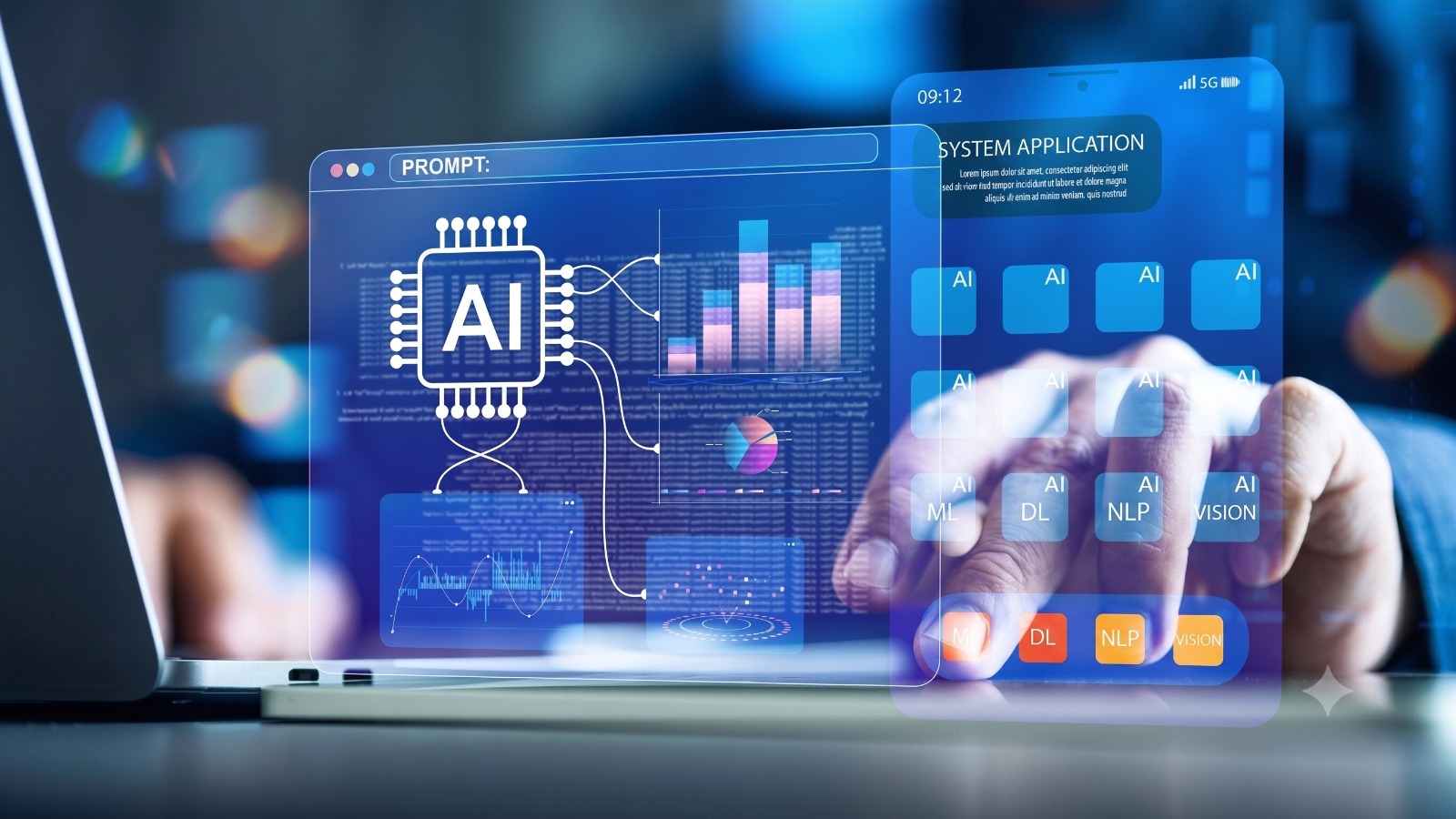
The rapid integration of artificial intelligence into the global economy has triggered a surge in demand for high-level technical fluency among India’s corporate leadership. Recognizing that AI is no longer just a technical function but a strategic imperative, senior executives are increasingly turning to premier institutions like the Indian Institutes of Management (IIMs) and the Indian School of Business (ISB) to navigate the complexities of an AI-first business environment.
The Strategic Pivot Toward AI Fluency
In 2026, the intersection of business strategy and machine learning has become a focal point for professional development. Industry data indicates that approximately 43% of firms in India have already deployed AI solutions, necessitating a shift in how leaders approach decision-making, operational efficiency, and innovation.
"It is not about AI versus humans," noted Professor Bharat Bhasker, Director of IIM Ahmedabad, during the recent ETEducation Annual Education Summit. According to academic leaders, the current wave of executive education is designed to move beyond basic literacy, focusing instead on "Agentic AI," ethical governance, and the integration of AI into core functions like finance, marketing, and supply chain management.
Curricula Designed for C-Suite Demands
Top-tier business schools have overhauled their executive offerings to accommodate the schedules and strategic requirements of senior professionals. Institutions are currently focusing on:
Strategic AI Integration: Courses teach executives how to align AI investments with broader organizational goals, ensuring that technology serves as a tool for scalable growth.
Operational Transformation: Programmes provide frameworks for using AI to optimize supply chains, enhance financial forecasting, and automate routine administrative decision-making.
Ethical Governance: As regulatory scrutiny increases, executives are being trained on responsible AI policies, data privacy, and mitigating algorithmic bias within their organizations.
The Indian School of Business, for example, has pioneered programmes such as "Leadership with AI," a 20-week intensive course that combines academic rigour with insights from C-suite veterans. Similarly, IIM Calcutta’s "Advanced Programme in AI for Leaders" provides a pathway for management professionals to understand enterprise-level AI platforms without requiring a deep technical background.
Official Sources and Industry Insights
According to official programme documentation from the Indian School of Business, the current focus is on practical application—specifically how leaders can leverage generative AI and copilots to drive competitive advantage.
The Ministry of Education and various government policy initiatives have also emphasized the necessity of a skilled AI-ready workforce. Recent data from the FICCI-EY-Parthenon survey highlights that while AI adoption is accelerating, the primary challenge remains bridging the "skills gap" at the leadership level. Consequently, B-schools are acting as a bridge, transforming traditional management pedagogy to include data-driven decision-making and human-machine collaboration.
Why It Matters
For investors, employees, and stakeholders, this trend signals a maturation of India’s corporate sector. When executives invest in formal AI education, it reflects a shift toward more disciplined, technology-backed corporate governance. Businesses led by AI-literate executives are statistically more likely to integrate automation effectively, potentially leading to higher operational margins and faster responses to market disruptions.
Key Facts at a Glance
Growing Adoption: Approximately 43% of firms in India have already deployed AI, driving the need for leadership-level expertise.
Curriculum Focus: Executive programmes now emphasize Generative AI, Agentic AI, and ethical decision-making rather than purely technical coding skills.
Institutional Shift: Premier institutions including IIM Ahmedabad, IIM Calcutta, and ISB have updated curricula to focus on the "AI-driven economy."
Target Demographic: Most programmes are tailored for senior professionals with 10+ years of experience, focusing on strategy rather than technical implementation.
Frequently Asked Questions
Who should apply for these AI-focused executive programmes?
These courses are primarily designed for senior managers, CXOs, and entrepreneurs who need to lead AI transformation within their organizations without necessarily having a technical background.
Do these programmes provide alumni status?
Yes, most premier institutions, including the ISB Executive Education, offer verified digital certificates and alumni status upon the successful completion of their executive programmes.
Is prior technical knowledge required?
No. Most "AI for Leaders" programmes offered by IIMs and ISB are built specifically for business leaders, focusing on the strategic and operational implications of AI rather than the underlying programming.
Source: Indian School of Business (ISB) Executive Education, IIM Calcutta (IIMC) Advanced Programmes, Press Information Bureau (PIB) India, ET Education