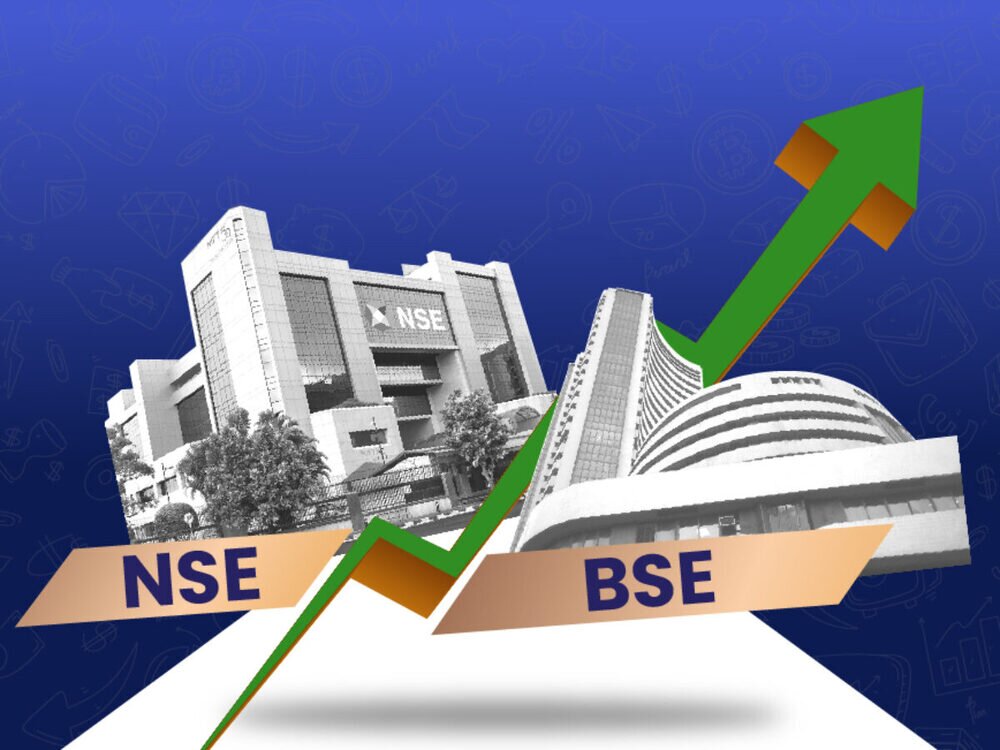
India's benchmark BSE Sensex and NSE Nifty 50 rose 0.19% and 0.20% on Thursday, reversing 0.18% pre-auction declines through late-session domestic buying. Concurrently, the Indian rupee fell 0.35% to 95.44 against the U.S. dollar due to strong corporate greenback demand, highlighting equity resilience despite foreign exchange market pressures.
MUMBAI — The Indian stock market staged a late-session turnaround on Thursday, September 10, 2026, as benchmark equity gauges overcame early selling pressure to close in positive territory, even as the domestic currency weakened against the U.S. dollar. The BSE Sensex settled 0.19% higher after reversing pre-auction losses of 0.18%, while the broader NSE Nifty 50 advanced 0.20%, recovering from an identical pre-session decline. The performance highlighted late buying interest across select heavyweight shares, providing stability to domestic financial assets despite foreign exchange headwinds.
Benchmark Gauges Reverse Pre-Auction Declines
Trading on the premier bourses opened under mild pressure during the pre-market price discovery phase, where both major indices shed approximately 0.18% amid cautious global sentiment. However, institutional and proprietary trading desks reported a steady resumption of buying in banking, consumer goods, and energy counters during the second half of the trading day.
The 30-share BSE Sensex concluded the session up 0.19%, wiping out morning weakness to end near the day's high. Concurrently, the 50-share NSE Nifty index gained 0.20%, mirroring the benchmark's recovery trajectory. Market breadth remained balanced across major exchanges, with large-capitalization indices outperforming select mid-cap and small-cap segments that saw measured profit-taking following recent weekly runs.
According to floor brokers at the Bombay Stock Exchange, the intraday swing reflected defensive positioning turning into selective accumulation ahead of upcoming macro data releases, including industrial production numbers and consumer inflation readings scheduled for release later in the week.
Rupee Slips to 95.44 Amid Strong Dollar Demand
In the foreign exchange market, the Indian rupee (INR) experienced notable selling pressure, closing down 0.35% at 95.44 per U.S. dollar compared to its previous official close of 95.1050. The depreciation mirrored broad-based resilience in the U.S. Dollar Index (DXY) and sustained demand for greenbacks from domestic importers and state-run oil marketing companies.
Currency strategists attributed the day's move to ongoing global interest-rate repricing and firm energy import payments. The Reserve Bank of India (RBI) routinely monitors excessive exchange-rate volatility, intervening via public sector banks through spot and forward market sales when required, though traders noted that central bank intervention remained relatively muted during Thursday's trading window.
The widening spread between currency weakness and equity firmness underscores diverging priorities among market participants: foreign portfolio investors exercised caution in sovereign fixed-income and currency desks, while domestic institutional investors continued to deploy liquidity into frontline equities.
Broader Economic Context and Corporate Impact
The diverging performance between equities and the rupee carries distinct implications across various segments of the domestic economy:
Export-Oriented Sectors: Information technology companies, pharmaceutical manufacturers, and engineering goods exporters stand to realize marginal short-term margin expansions from currency depreciation against the dollar.
Import-Dependent Industries: Companies reliant on imported raw materials—specifically crude oil refiners, electronics manufacturers, and fertilizer firms—face higher landed costs, which may pressure operating margins if sustained over multiple quarters.
Retail and Mutual Fund Investors: Steady equity market resilience provides reassurance to retail participants investing via systematic investment plans (SIPs), supporting stability in broader financial savings allocations.
Corporate Borrowers: Indian corporates with unhedged external commercial borrowings (ECBs) face elevated servicing and repayment costs as the rupee trades at softer levels against major global currencies.
Official Sources Section
Regulatory filings and end-of-day market bulletins confirmed the final settlement data:
BSE Limited: End-of-day cash segment summary reported the BSE Sensex closing higher by 0.19% following the official multi-asset closing settlement calculation.
National Stock Exchange of India (NSE): Daily market activity report confirmed the Nifty 50 settled with a 0.20% gain, reversing early morning pre-auction index losses.
Reserve Bank of India (RBI): The central bank's Financial Markets Operations division logged the daily reference exchange rate movements, noting the Indian rupee closing at 95.44 per U.S. dollar against the prior session mark of 95.1050.
Market Commentary and Analyst Perspectives
"According to exchange officials, late-session trades across index derivatives and cash components absorbed the morning supply, enabling both primary indices to settle in green territory."
"According to currency desk strategists, dollar demand from oil importers and routine corporate outward remittances remained steady throughout the session, placing consistent upward pressure on USD/INR spot rates despite resilient underlying domestic equity flows."
Why It Matters
The day's market performance demonstrates the ongoing insulation of the Indian stock market from localized currency fluctuations. In historical cycles, significant intraday weakness in the rupee triggered corresponding selloffs in domestic benchmark equities. However, expanding domestic institutional capital pools have helped decouple equity valuations from short-term currency depreciation, providing downside support to benchmark indices during periods of emerging-market foreign exchange volatility.
Key Facts at a Glance
BSE Sensex: Settled 0.19% higher, completely erasing pre-auction session losses of 0.18%.
NSE Nifty 50: Ended up 0.20%, recovering from an early pre-market deficit of 0.18%.
Indian Rupee (INR): Weakened 0.35% against the greenback to finish at 95.44 per U.S. dollar, down from the previous settlement of 95.1050.
Key Drivers: Late-session buying in frontline financial and industrial stocks offset foreign exchange headwinds caused by commercial dollar demand.
Frequently Asked Questions
What caused the Indian stock market to recover during Thursday's session?
The recovery was driven by late-session buying interest in heavyweight equities across the banking, consumer goods, and energy sectors, which counteracted early pre-auction drops of 0.18% on both the BSE and NSE.
Why did the Indian rupee decline against the U.S. dollar?
The rupee fell 0.35% to 95.44 per U.S. dollar primarily due to robust dollar demand from corporate importers, elevated global energy prices, and broad-based strength in the U.S. Dollar Index.
Does a weaker rupee negatively affect domestic equity markets?
Not necessarily in the short term. While a declining rupee increases import costs and inflation risks, it often supports export-heavy sectors such as software services and pharmaceuticals, frequently offsetting broader index declines.
What is the pre-auction session in Indian equity trading?
The pre-auction (or pre-open) call auction occurs between 9:00 AM and 9:15 AM IST, designed to determine equilibrium opening prices and reduce excessive market volatility before regular continuous trading commences.
Source: Official market bulletins and closing settlement records released by BSE Limited (BSE India), National Stock Exchange of India (NSE India), and the Reserve Bank of India (RBI).