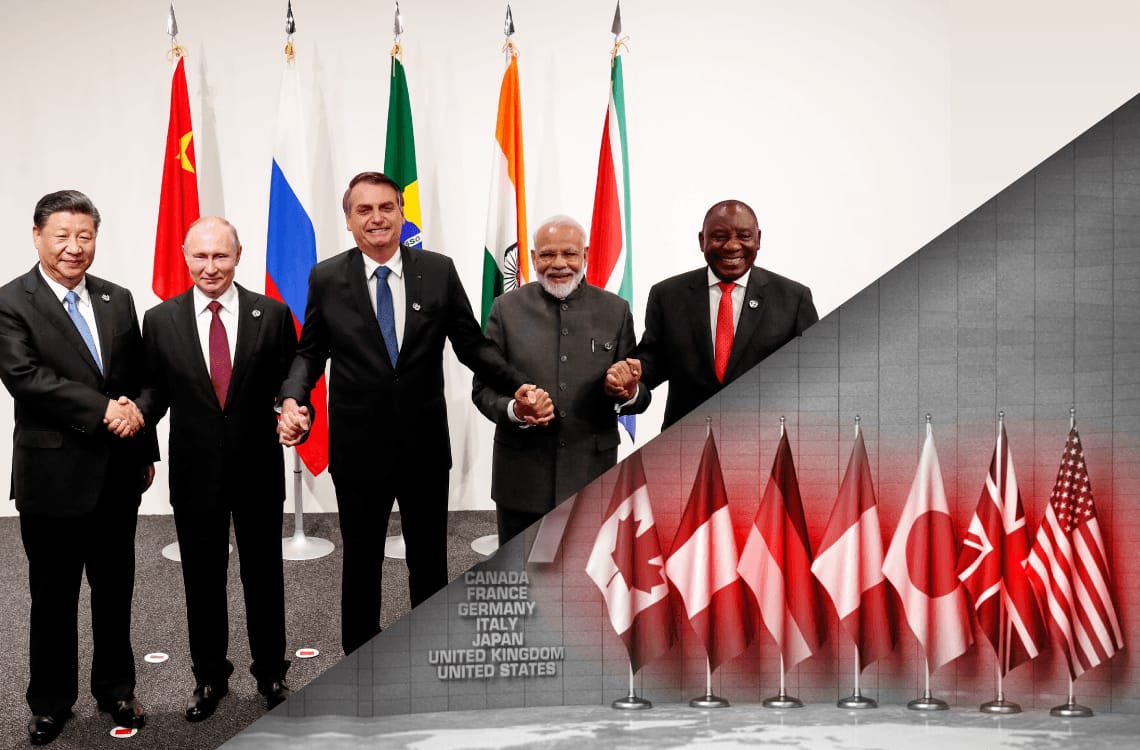
India's hosting of the 18th BRICS Summit in New Delhi has deliberately traded public spectacle for policy substance. Focused on institutional reform, local-currency trade, and supply chain resilience, the milestone 20th-anniversary summit highlights a pragmatic, work-intensive diplomatic strategy rather than high-visibility pageantry.
Strategic Shift Toward Low-Key Diplomatic Engagements
The 18th BRICS Summit opened on September 12, 2026, at the Bharat Mandapam convention center in New Delhi, bringing together leaders from member nations, partner countries, and outreach invitees. Unlike the high-production spectacle of India's G20 presidency, the 2026 BRICS gathering—marking the bloc’s 20th anniversary—has been characterized by officials as a deliberately muted, work-intensive affair.
According to announcements from the Ministry of External Affairs (MEA), India’s year as BRICS Chair is anchored in the theme "Building for Resilience, Innovation, Cooperation and Sustainability". Rather than focusing on grand architectural transformations or extensive public-facing fanfare, the administration directed its resources toward substantive working groups. Over 350 ministerial sessions and high-level engagements have been conducted across more than 25 cities nationwide since January 2026.
Economic Pragmatism and Institutional Reform
The core agenda centers heavily on pragmatic economic integration, financial resilience, and reform of international governance institutions. Official releases from the Reserve Bank of India (RBI) indicate that discussions have prioritized reducing transaction costs through local-currency trade settlements and exploring the integration of fast-payment systems.
Global economic headwinds, including supply chain disruptions and energy security pressures stemming from geopolitical conflicts in West Asia, have heavily influenced the proceedings. According to policy papers released ahead of the summit, India has utilized its chairship to champion the interests of the Global South, pressing for structural overhauls of legacy institutions like the United Nations Security Council, the International Monetary Fund (IMF), and the World Bank to better mirror twenty-first-century economic realities.
Official Positions and Multilateral Coordination
Government representatives emphasized that the lower-key profile reflects a mature diplomatic strategy focused on consensus-building rather than performative geopolitics.
"Organizers stated that the 2026 BRICS meetings are designed to deliver practical, development-focused outcomes that directly address supply chain security, financial cooperation, and sustainable growth for emerging economies."
Senior diplomats noted that managing divergent interests among an expanded ten-member bloc requires closed-door administrative rigor rather than public pageantry. Bilateral coordination channels remain active on the sidelines, particularly regarding regional security frameworks and economic risk mitigation.
Practical Implications for Trade and Regional Stakeholders
The structural focus of the summit carries direct consequences for cross-border businesses, investors, and regional supply chains:
Sme Market Access: Policy frameworks debated during the year-long sessions aim to simplify compliance burdens and improve credit access for small and medium enterprises engaged in intra-BRICS trade.
Energy Security: With traditional shipping lanes facing persistent vulnerabilities, energy importers are monitoring discussions on diversified supply contracts and localized insurance mechanisms.
Currency Settlement: Financial institutions are reviewing incremental updates regarding bilateral currency swap frameworks aimed at insulating regional commerce from foreign exchange volatility.
Key Facts at a Glance
Event Dates: September 12–13, 2026.
Host Venue: Bharat Mandapam, New Delhi, India.
Core Theme: “Building for Resilience, Innovation, Cooperation and Sustainability”.
Milestone: Marks 20 years since the formal establishment of the BRICS grouping.
Domestic Engagement: Comprises over 350 preparatory meetings held across more than 25 Indian cities.
Frequently Asked Questions
Why is the 2026 BRICS Summit in New Delhi considered a muted event?
Unlike previous large-scale international summits, the Indian government deliberately scaled down public spectacle, opting instead for a policy-heavy, decentralized approach involving hundreds of working-level meetings across various cities.
What is the central theme of India's BRICS Chairship?
The chairship operates under the official theme “Building for Resilience, Innovation, Cooperation and Sustainability,” emphasizing a people-centric approach to global economic challenges.
Which countries participate in the 2026 summit framework?
The summit includes original members Brazil, Russia, India, China, and South Africa, alongside expanded member states such as Egypt, Ethiopia, Iran, the UAE, and Indonesia, alongside invited outreach partners.
What are the primary economic goals of India's presidency?
Key objectives include fostering balanced intra-BRICS trade, enhancing digital financial infrastructure, promoting local-currency settlements, and advocating for governance reforms within global financial institutions.
Source: Ministry of External Affairs (MEA), Reserve Bank of India (RBI), India Trade Promotion Organisation (ITPO)