The "big fat Indian wedding" is becoming a global phenomenon, with Indian wedding planning expertise now exported to luxury markets worldwide. Driven by diaspora demand and international interest, the multi-day event format is boosting tourism, hospitality, and luxury retail sectors across major international destinations, creating a new global service standard.
As Indian luxury weddings gain international traction, the domestic industry is exporting its planning expertise and cultural aesthetics to high-net-worth markets worldwide.
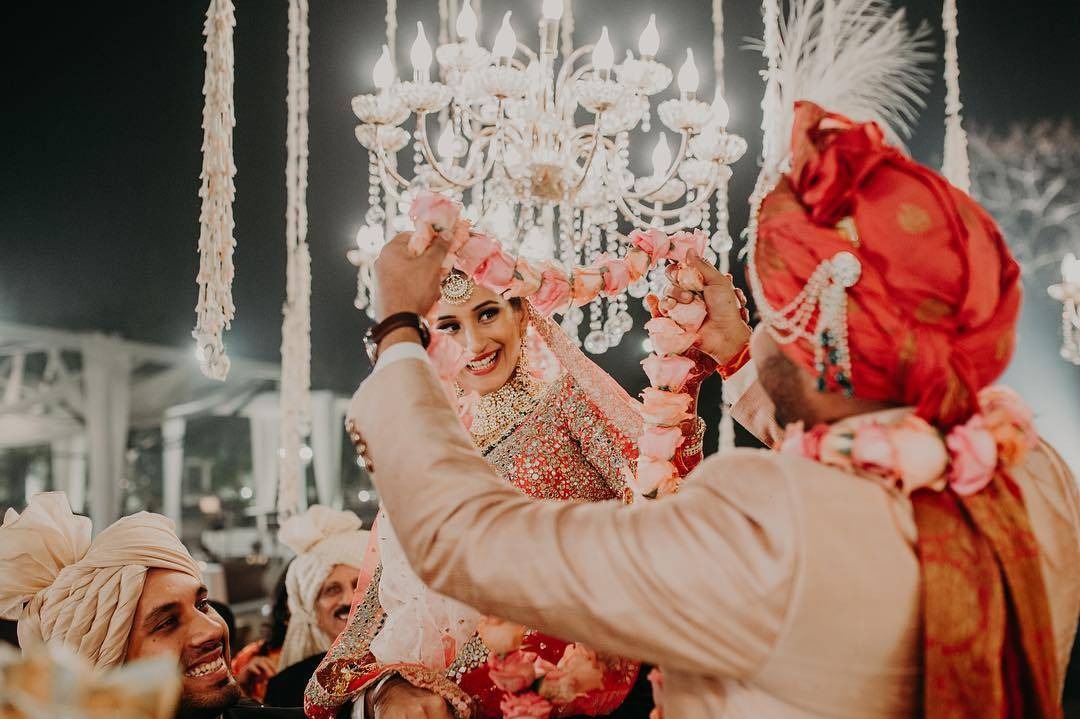
MUMBAI — The "big fat Indian wedding" phenomenon is transcending borders. Once confined to domestic celebrations in cities like Udaipur, Jaipur, and Mumbai, the ornate, multi-day Indian wedding format is rapidly becoming a cornerstone of the global luxury events industry. From Mediterranean resorts to Southeast Asian coastal retreats, event planners are witnessing a surge in demand for the intricate logistics, elaborate decor, and high-energy programming that define Indian matrimonial celebrations.
Industry reports indicate that the shift is being driven by the global Indian diaspora and an increasing number of international couples drawn to the experiential nature of Indian nuptials. This trend is not merely about scaling up; it represents a significant shift in how international hospitality brands approach the multi-billion-dollar wedding tourism market.
Scaling Cultural Complexity
The logistical requirements of an Indian wedding are notoriously complex. Unlike traditional Western weddings, which typically center on a single-day ceremony and reception, the Indian format requires coordination across multiple events—sangeet, mehendi, haldi, and the main wedding—spread over three to five days.
According to data from the Federation of Hotel and Restaurant Associations of India (FHRAI), the industry has evolved to provide standardized, exportable solutions for these requirements. Major Indian wedding planners are now partnering with international luxury hotel chains to offer "turnkey" packages. These include sourcing specialized caterers, managing complex floral and stage design, and navigating the nuances of traditional rituals for venues in locations like Italy, Thailand, and the UAE.
Economic Impact and Market Growth
The globalization of the Indian wedding model has significant implications for global tourism and luxury retail. High-net-worth individuals are spending heavily on destination weddings, often booking entire resorts, which creates a localized economic boom for host cities.
For the Indian wedding planning sector, this international expansion provides a hedge against domestic market saturation. Large-scale agencies are increasingly diversifying their portfolios by establishing branch offices in major global hubs to manage the influx of cross-border weddings. Furthermore, this export of services is fostering a new demand for Indian luxury fashion, jewelry, and artisanal decor, as couples seek authentic elements for their destination celebrations.
The Role of Hospitality Partnerships
Hospitality groups are now actively restructuring their sales teams to cater to this niche. "Organizers stated that the demand for Indian-ready infrastructure is no longer limited to the sub-continent," as noted in a recent market outlook by Knight Frank India. International venues are investing in specialized kitchen facilities to handle the specific requirements of Indian vegetarian and non-vegetarian catering, which often requires separate preparation areas.
Beyond logistics, the ability to manage the cultural nuances—such as timing rituals around auspicious lunar calendars—has become a competitive advantage. This expertise is being codified into digital planning tools that allow for seamless coordination between clients in the US or Europe and vendors across Asia and the Middle East.
Official Sources
Information regarding market trends is sourced from the Federation of Hotel and Restaurant Associations of India (FHRAI), Knight Frank India, and sector-specific analysis from the Ministry of Tourism, Government of India. Industry data on the valuation of the wedding tourism sector is derived from official white papers on wedding-related hospitality services.
Why It Matters
The globalization of Indian wedding practices creates a unique synergy between the Indian service sector and global hospitality brands. For consumers, this translates into more accessible, high-end destination wedding options. For businesses, the trend opens new revenue streams in event management, tourism, and luxury goods, cementing India’s role as a major exporter of cultural and event-planning services.
Key Facts at a Glance
Global Expansion: The Indian wedding model is now a primary driver for luxury destination events in Europe, Southeast Asia, and the Middle East.
Logistical Complexity: A typical Indian wedding requires coordination for 3–5 days of events, significantly increasing the average spend per booking compared to traditional western ceremonies.
Economic Drivers: The trend boosts tourism revenue for host countries and stimulates international demand for Indian luxury fashion and jewelry.
Standardization: Hospitality chains are adapting infrastructure and kitchen facilities to support the specific catering and ceremonial needs of these events.
Frequently Asked Questions
1. Why are Indian destination weddings becoming so popular globally?
The popularity is driven by the desire for immersive, multi-day experiential events that blend cultural tradition with luxury tourism, fueled by the global Indian diaspora and international interest in Indian heritage.
2. How do venues adapt to Indian wedding requirements?
Venues are modifying infrastructure by adding specialized kitchen facilities, adjusting event spaces for traditional rituals (like a fire-based ceremony), and partnering with Indian event management agencies.
3. Is this trend affecting the domestic wedding industry in India?
While destination weddings continue to grow, the industry is seeing a dual trend: many couples are now choosing to host parts of their wedding in India while managing logistics via global agencies, or hosting entire events internationally.
Source: Federation of Hotel and Restaurant Associations of India (FHRAI), Knight Frank India, Ministry of Tourism, Government of India.