India's Vantara zoo has announced a major strategic reset under former CITES chief John Scanlon, halting animal imports until June 2027 and withdrawing pending acquisition requests. The facility is pivoting from captive rescue toward funding in situ conservation projects across countries of origin.
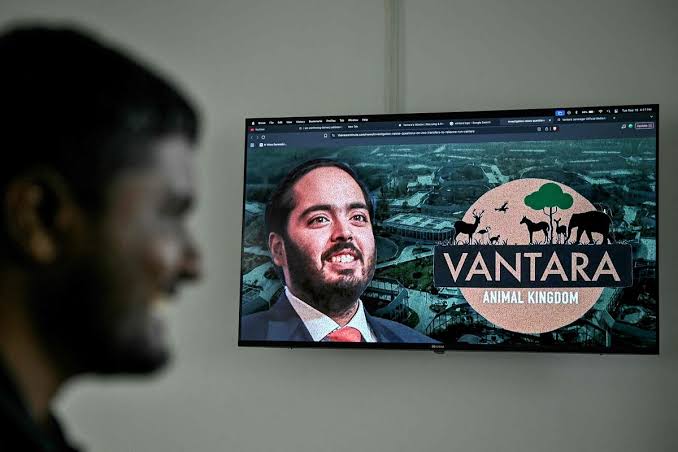
JAMNAGAR — Vantara, the sprawling 3,500-acre animal rescue and rehabilitation facility in Gujarat founded by Anant Ambani, announced a comprehensive operational reset on Thursday, August 20, 2026.
The overhaul follows international scrutiny and recommendations from the Convention on International Trade in Endangered Species of Wild Fauna and Flora (CITES) regarding the facility's rapid acquisition and import of protected wildlife. Under the leadership of newly appointed Governing Council Chair John Scanlon—who previously headed the CITES Secretariat—Vantara is pivoting its core mission from captive relocation toward in situ conservation within countries of origin.
Governance Overhaul and Import Moratorium
The strategic reset introduces strict regulatory controls, independent oversight mechanisms, and a temporary halt on foreign acquisitions. Vantara has formally withdrawn all pending live-animal import applications and imposed a mandatory one-year moratorium on new imports running through June 2027.
According to official corporate statements, CITES filings, and governance disclosures:
Import Moratorium: A self-imposed suspension on new animal imports is in effect until at least June 2027.
Applications Withdrawn: All pending live-animal import submissions have been officially rescinded.
New Leadership: A newly established governing council, chaired by former CITES chief John Scanlon, now holds final authority over animal acquisition decisions.
Voluntary Commitments: Comprehensive oversight frameworks have been filed with the CITES Management Authority and the Supreme Court of India.
Official Sources Section
Quote Section
According to statements released by John Scanlon, Chair of Vantara's Governing Council:
"Vantara has sought, obtained, and acted upon external advice as it takes bold steps to reset its operations. In making this reset, it has decided to voluntarily strengthen its internal due diligence, governance, expertise and processes, and to pivot from ex situ rescue towards providing in situ support to countries."
Why It Matters
For global conservationists, wildlife experts, and private philanthropic institutions, Vantara's pivot establishes a new benchmark for corporate-backed animal welfare initiatives. Shifting resources toward protecting species within their natural habitats—spanning projects from Brazil's Spix's macaws to regional elephant care in Africa and Asia—addresses core criticisms regarding the mass relocation of endangered wildlife.
Key Facts at a Glance
Facility: Vantara wildlife rescue and conservation center, Jamnagar, Gujarat.
New Leadership: Governed by an independent council chaired by John Scanlon.
Key Policy Shift: Withdrawal of all pending import applications and a one-year import freeze.
Strategic Pivot: Greater focus on in situ conservation in countries of origin rather than captive intake.
FAQ Section
What prompted Vantara's recent operational reset?
The overhaul follows expert criticism and CITES recommendations regarding the facility's rapid intake and import procedures for protected wildlife species.
Who leads Vantara's new governing council?
The council is chaired by John Scanlon, who served as the Secretary-General of CITES from 2010 to 2018.
What changes have been made regarding animal imports?
Vantara has withdrawn all pending live-animal import applications and instituted a mandatory moratorium on new imports until June 2027.
Where will Vantara direct its conservation efforts moving forward?
The facility is shifting its focus toward supporting wild conservation projects, veterinary hospitals, and rescue centers directly within animals' countries of origin.
Source: Reliance Industries, CITES, Supreme Court of India, The CSR Journal