




Loading market data...
ADVERTISEMENT

Latest Top News
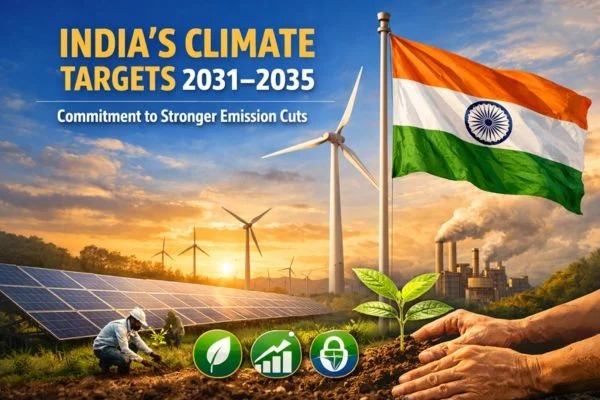
India’s New Climate Targets Aim For Balanced Growth And Sustainability
India has unveiled updated climate pledges under the Paris Agreement, committing to reduce emissions intensity of GDP by 47% below 2005 levels by 2035 and achieve 60% non-fossil fuel power capacity. While hailed as progress, experts debate whether these targets are ambitious enough to meet global climate goals.
Stay Ahead – Explore Now! West Bengal to Invite Tatas but Singur Land No Longer Government Owned
ADVERTISEMENT

Latest Updates

From Silt to Sustainability: BMC Starts Rejuvenati...
15 Jun 2026, 02:01 PM
Jharkhand Secures GI Tags for Bhagaiya Silk and Tr...
15 Jun 2026, 02:24 PM
Reel Deal: Mumbai International Film Festival 2026...
15 Jun 2026, 10:07 PM
Nepal Tea Trade: Factories Shut Down Over India’s...
15 Jun 2026, 10:03 PM
Motorola’s Foldable Fold-Off: Which New Razr Fits...
15 Jun 2026, 09:59 PMADVERTISEMENT

Top Stories
From Silt to Sustainability: BMC Starts Rejuvenati...
15 Jun 2026, 02:01 PM
Jharkhand Secures GI Tags for Bhagaiya Silk and Tr...
15 Jun 2026, 02:24 PM
Reel Deal: Mumbai International Film Festival 2026...
15 Jun 2026, 10:07 PM