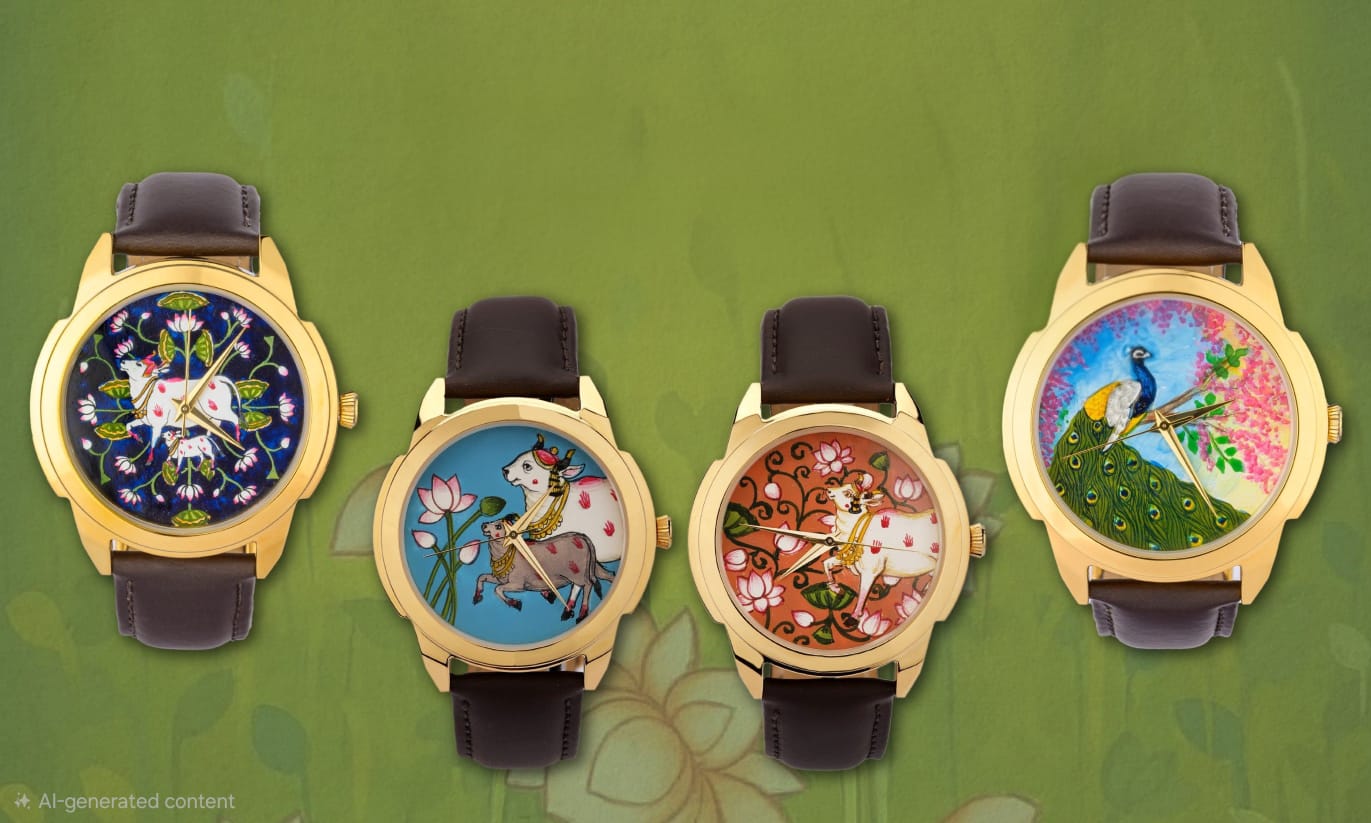
Indian watchmakers are gaining international recognition by embedding traditional cultural art and historic coins into luxury wristwatches. Blending historical craftsmanship with modern mechanical movements, homegrown microbrands offer consumers bespoke timepieces that preserve regional history on the wrist while driving domestic luxury manufacturing growth.
NEW DELHI — Indian microbrands and heritage watchmakers are redefining the domestic luxury market by integrating traditional art forms, historic coins, and indigenous design narratives into modern horology.
The resurgence, highlighted during economic policy retrospectives on Saturday, August 15, 2026, reflects a growing consumer shift toward localized luxury assets. Homegrown watchmakers are combining automatic movements with traditional motifs, creating a distinctive niche in a market historically dominated by state-owned enterprises like HMT and imported Swiss brands.
The Rise of Heritage-Inspired Horology
Following decades of market centralization after independence, the Indian watch industry was largely defined by mass-market production and high tariffs on foreign luxury items. Contemporary independent watchmakers are reshaping this trajectory by positioning wristwatches as cultural heirlooms.
Brands such as the Jaipur Watch Company and Bangalore Watch Company are leading this sector. Their collections feature hand-painted Pichwai art dials, restored pre-independence currency coins, and design elements inspired by historical architecture and space programs.
Factual Landscape: Traditional Manufacturing vs. Heritage Microbrands
| Feature | Legacy Mass Market Era | Heritage Microbrand Movement |
| Primary Focus | Utility & Mass Accessibility | Heritage Preservation & Bespoke Design |
| Dial Craftsmanship | Standard Printed Dials | Pichwai Art, Vintage Coins, Filigree |
| Assembly & Sourcing | Domestic Public Sector Units | Hybrid Sourcing (Global Movements, Local Art) |
| Target Audience | General Domestic Consumers | Global Collectors & Luxury Investors |
Official Sources
According to product releases from the Jaipur Watch Company and sector overviews by the Ministry of Commerce and Industry, targeted support for localized manufacturing under the 'Make in India' initiative has accelerated growth in the specialty consumer goods sector.
"Our vision is to build timepieces that tell stories of a land rich in heritage, craftsmanship, and tradition, blending historic coins and miniature art with fine mechanical watchmaking," said Gaurav Mehta, Founder of Jaipur Watch Company, in an official brand release.
Impact on Consumers, Artisans, and Investors
The expansion of heritage-driven watchmaking impacts multiple touchpoints across the domestic economy:
Consumers: Watch enthusiasts gain access to personalized, culturally resonant timepieces that offer an alternative to traditional Swiss luxury brands.
Artisans: Traditional Indian artists specializing in miniature painting, coin restoration, and metal filigree are integrated into corporate luxury supply chains.
Investors: Global capital and domestic private equity are entering Indian microbrand ecosystems as demand for niche luxury hardware increases.
Why It Matters
The growth of heritage wristwatches demonstrates how domestic consumer preference is evolving from standard retail items to culturally significant assets. By combining centuries-old artisanal techniques with modern mechanical watch movements, Indian brands are establishing a distinct category within global horology.
Key Facts at a Glance
Cultural Integration: Modern Indian microbrands incorporate vintage coins, Pichwai paintings, and architectural motifs into timepiece dials.
Market Evolution: The sector has shifted from public sector mass production to specialized, limited-edition artisan lines.
Hybrid Assembly: Independent brands combine imported mechanical movements with domestically crafted, bespoke exteriors.
Economic Support: Growth is supported by expanded consumer interest in localized luxury items and manufacturing initiatives.
Frequently Asked Questions (FAQ)
Q: What materials are typically used in Indian heritage watches?
A: Brands frequently use historic currency coins, hand-painted artwork, precious metals, and detailed filigree work paired with sapphire crystal glass and automatic mechanical movements.
Q: Are these heritage timepieces manufactured entirely in India?
A: Most microbrands design, craft, and assemble the artistic components and cases in India, while sourcing mechanical movements from established global movement manufacturers.
Q: How do microbrands differ from historical Indian watch companies like HMT?
A: While historical companies focused on mass-producing affordable quartz and mechanical watches, modern microbrands focus on limited-run, luxury timepieces centered on cultural storytelling.
Source: Official announcements from Jaipur Watch Company, industry archives via Ethos Watch Boutiques, and trade guidelines from the Department for Promotion of Industry and Internal Trade.