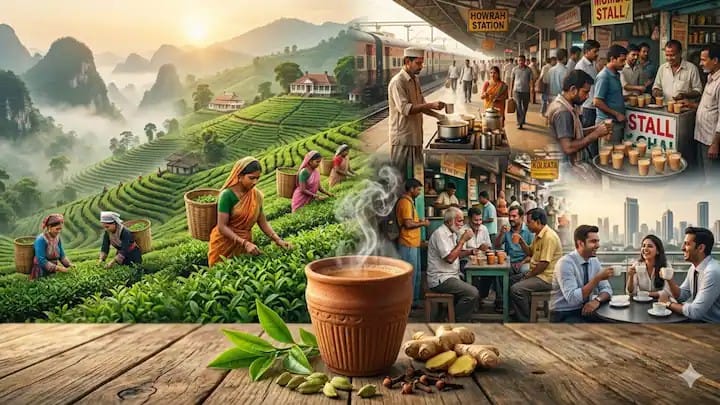
India's historic tea towns must modernize their outreach by opening estates to agritourism and showcasing artisanal processing methods. Moving beyond bulk commodity exports allows growers to build direct consumer connections, protect authentic regional brands, and secure long-term economic stability for generations of agricultural workers across the country.
New Delhi — As shifting global beverage preferences and competitive international markets challenge traditional commodity supply chains, historical tea-producing regions across India must radically rethink how they present their heritage. From the misty, high-altitude slopes of Darjeeling and the sprawling green valleys of Assam to the emerald terraces of Munnar, agricultural experts and industry analysts argue that relying solely on bulk commodity exports is no longer viable. According to recent agricultural trade assessments and tourism board releases, transforming historic tea estates into active experiential hubs is essential to securing long-term economic resilience and brand protection for Indian tea.
The Shift From Bulk Export to Experiential Tourism
For generations, primary growing districts operated primarily as industrial suppliers, shipping high volumes of orthodox and CTC teas to domestic and international packaging hubs. However, rising production costs, stagnant farm-gate pricing, and fierce competition from emerging tea-producing nations have squeezed profit margins for estate owners and smallholder farmers alike.
According to development updates published by the Tea Board of India, modern consumers increasingly demand total supply chain transparency, provenance storytelling, and direct engagement with agricultural origins. By actively showcasing terroir, plucking rituals, and specialized manufacturing processes—such as orthodox withering, rolling, and oxidation—historic tea towns can capture higher value-added retail margins while insulating themselves against commodity price swings.
Revitalizing Heritage Estates Through Direct Engagement
Prominent estates in West Bengal, Assam, and southern India have begun pivoting toward agritourism by opening century-old plantation bungalows, establishing dedicated tasting rooms, and curating interactive factory trails. These initiatives allow visitors to experience firsthand the delicate craftsmanship behind rare flushes, white teas, and hand-rolled oolongs.
"According to officials, diversifying estate operations into immersive cultural tourism bridges the gap between traditional growers and contemporary consumers, fostering direct brand loyalty that protects authentic regional identities from adulteration and market counterfeits," industry representatives noted during recent commodity board consultations.
Impact on Local Economies and Small Growers
The strategic shift toward open-estate visibility and localized branding carries profound practical implications across multiple sectors:
For Regional Growers and Workers: Direct-to-consumer sales and tourism initiatives create supplementary revenue streams, improving local employment conditions and supporting fair-wage models.
For Domestic and International Travelers: Visitors gain deep educational insights into agricultural sustainability, heritage conservation, and the complex craftsmanship required for premium harvests.
For Investors and Exporters: Highlighting unique geographical indicators helps defend premium positioning against generic global competition, safeguarding iconic names like Darjeeling and Assam on international shelves.
Official Sources Section
Strategic evaluations regarding export diversification, agritourism frameworks, and heritage preservation are drawn from official documentation provided by the Tea Board of India, regional tourism development authorities, and agricultural commodity trade filings.
"Organizers stated that transforming working plantations into accessible cultural destinations is vital for sustaining heritage estates, educating the public on artisanal value, and ensuring the long-term viability of India's historic tea industry," according to official ministry briefs.
Why It Matters
India remains one of the world's largest consumers and exporters of tea, yet many historic growing communities struggle with economic stagnation. By modernizing their public presentation, embracing transparent production tourism, and proudly showcasing regional flavors directly to the public, these iconic towns can secure their economic future while honoring centuries of agricultural legacy.
Key Facts at a Glance
Economic Imperative: Shifting from bulk commodity export to high-value experiential tourism helps combat fluctuating global market prices.
Consumer Demand: Modern buyers prioritize origin transparency, sustainable farming practices, and direct engagement with agricultural heritage.
Estate Diversification: Leading gardens across Darjeeling, Assam, and the Nilgiris are integrating heritage stays, guided factory walkthroughs, and professional tasting sessions.
Brand Protection: Showcasing distinct geographical indications helps defend authentic regional teas against imitation and market dilution.
FAQ Section
Why do India's historic tea towns need to change their marketing approach?
Relying solely on bulk commodity sales exposes estates to volatile global pricing and tight margins; showcasing unique terroir and processing methods helps capture high-value retail markets.
What role does agritourism play in sustaining tea estates?
Agritourism introduces supplementary revenue streams through estate stays, guided factory tours, and tasting workshops, directly connecting consumers to the product origin.
How does showcasing tea processing benefit everyday consumers?
It educates buyers on the distinct characteristics of different flushes and grades, ensuring they recognize the value and authenticity of premium orthodox teas.
Are smallholder farmers included in these tourism initiatives?
Increasingly, regional cooperatives and boutique growers are collaborating to host tasting trails, allowing smaller estates to benefit directly from specialty tea appreciation.
Source: Tea Board of India, agricultural trade ministry reports, and regional estate development filings.