




Loading market data...
ADVERTISEMENT

Latest Top News

India’s Urea Plants Run At Half Capacity As West Asia Tensions Hit Gas Supplies
India’s fertilizer industry is facing a major disruption as urea plants operate at nearly half capacity due to curtailed natural gas imports from West Asia. Rising geopolitical tensions have choked supply chains, forcing India to rely on costly alternatives and raising concerns over agricultural productivity.
Stay Ahead – Explore Now! Axiscades Technologies Approves Aerospace Business Transfer to Akkodis Group
ADVERTISEMENT

Latest Updates
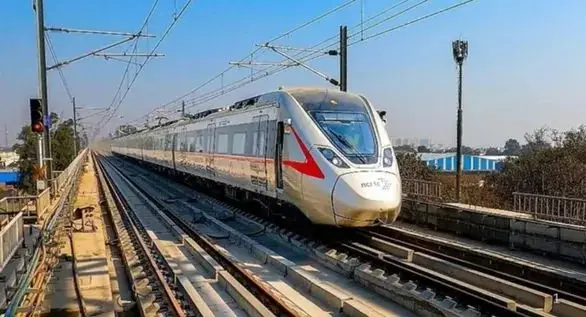
Track to Uttarakhand: Namo Bharat Expansion Nears...
15 Jun 2026, 10:18 PM
From Silt to Sustainability: BMC Starts Rejuvenati...
15 Jun 2026, 02:01 PM
Jharkhand Secures GI Tags for Bhagaiya Silk and Tr...
15 Jun 2026, 02:24 PM
Reel Deal: Mumbai International Film Festival 2026...
15 Jun 2026, 10:07 PM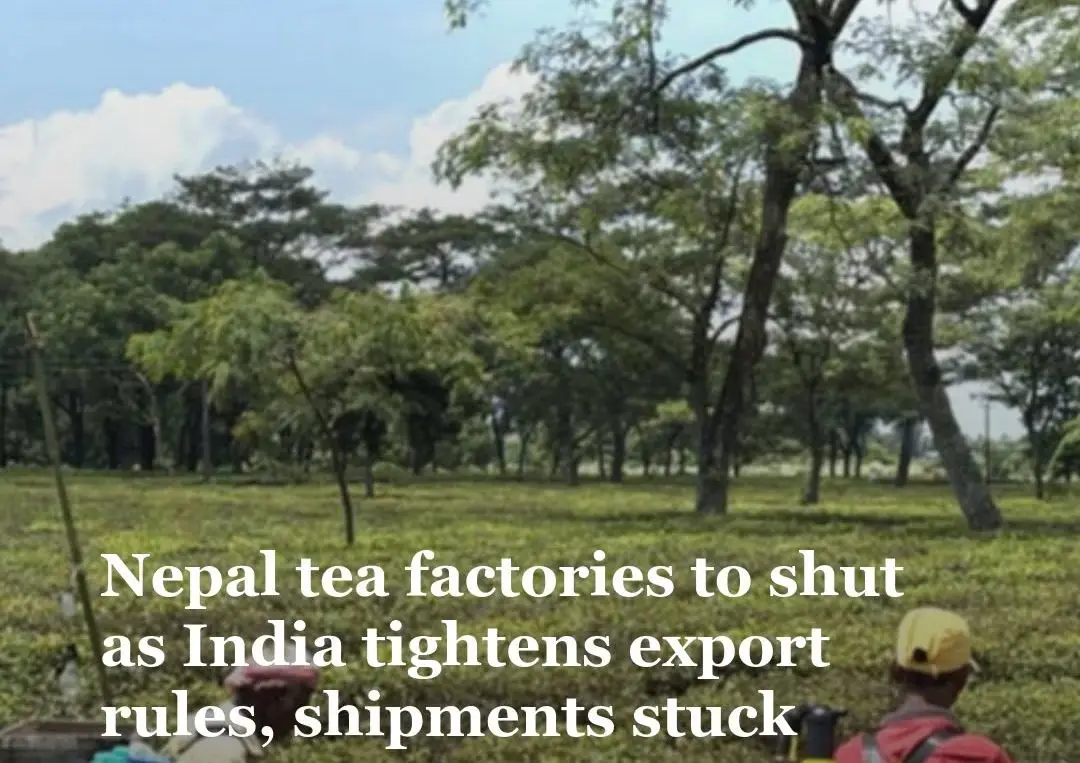
Nepal Tea Trade: Factories Shut Down Over India’s...
15 Jun 2026, 10:03 PMADVERTISEMENT

Top Stories
Track to Uttarakhand: Namo Bharat Expansion Nears...
15 Jun 2026, 10:18 PM
From Silt to Sustainability: BMC Starts Rejuvenati...
15 Jun 2026, 02:01 PM
Jharkhand Secures GI Tags for Bhagaiya Silk and Tr...
15 Jun 2026, 02:24 PM