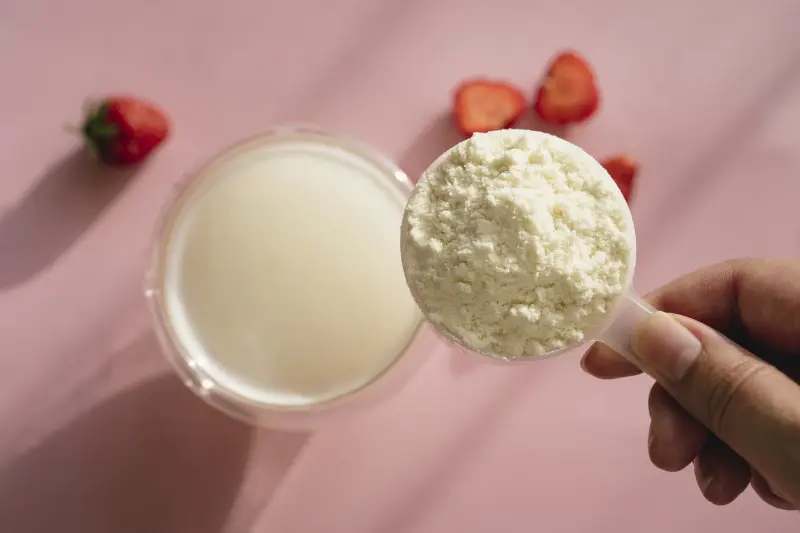
India produces more milk than any other country, yet still struggles to supply affordable, high quality whey protein to its own consumers. Fitness enthusiasts, young professionals and even doctors complain of pricey tubs and unreliable quality, while dairies literally wash away millions of litres of potential protein every day.
Behind this odd imbalance lies a mix of technology gaps, structural quirks in India’s dairy sector and policy choices that have favoured liquid milk over value added protein ingredients. The result is a country that leads in raw milk but outsources a large part of its whey protein needs to Europe and the US.
How India Became A Whey Importer With Surplus Milk
India now produces roughly 239 million tonnes of milk a year, more than the EU and US combined, yet it contributes well under 1 percent to global dairy ingredient exports. Despite this scale, an estimated 50 to 90 percent of whey protein demand is met through imports, with big volumes coming from France, Poland, Germany, Turkey and the US. High import duties mean that almost half the retail price of some whey products is just tax and duties, making high protein diets expensive for the average Indian.
The Structural Problem: Paneer, Not Cheese
Globally, about 95 percent of whey is a byproduct of cheese making. India, however, is a paneer country, not a mozzarella and hard cheese country, which means the kind of whey its dairies generate is different and harder to convert into premium supplements without extra processing. On top of that, only around one third of India’s dairy sector is organised at a scale where advanced membrane filtration, cold chain and spray drying equipment make economic sense, leaving much of the whey stream either wasted or used in low value ways.
Why Consumers Are Paying The Price
With domestic production of high grade whey concentrate and isolate limited, prices are tied to global commodity swings, foreign processing costs and currency moves. Over the past year, rising global demand and supply disruptions have pushed whey prices sharply higher, making it even harder for middle class households, athletes and patients on high protein diets to meet their nutritional needs without stretching budgets. This feeds into India’s wider protein gap, where average intake still lags recommended levels for large parts of the population.
What Needs To Change Before 2030
Experts argue that India will need a deliberate shift toward industrial scale whey processing: more cheese production alongside paneer, investments in membrane and spray drying plants, better cold chain and long term contracts that give dairies confidence to valorise whey rather than discard it. There are also calls for targeted duty cuts on raw whey and specialised equipment, plus public private R and D to turn India’s vast milk pool into a reliable, affordable protein source for its own people.
Whey Reality Check Highlights
- India produces about 239 million tonnes of milk but imports a large share of its whey protein
- Most domestic milk goes to liquid consumption and paneer, not cheese that yields export grade whey
- Fragmented dairies and limited filtration and drying capacity block large scale whey processing
- High import duties and global price swings keep whey supplements expensive for Indian consumers
Sources: India Whey Protein Market Analyses, Dairy Sector Studies, Policy And Industry Commentaries On Protein Supply Gaps