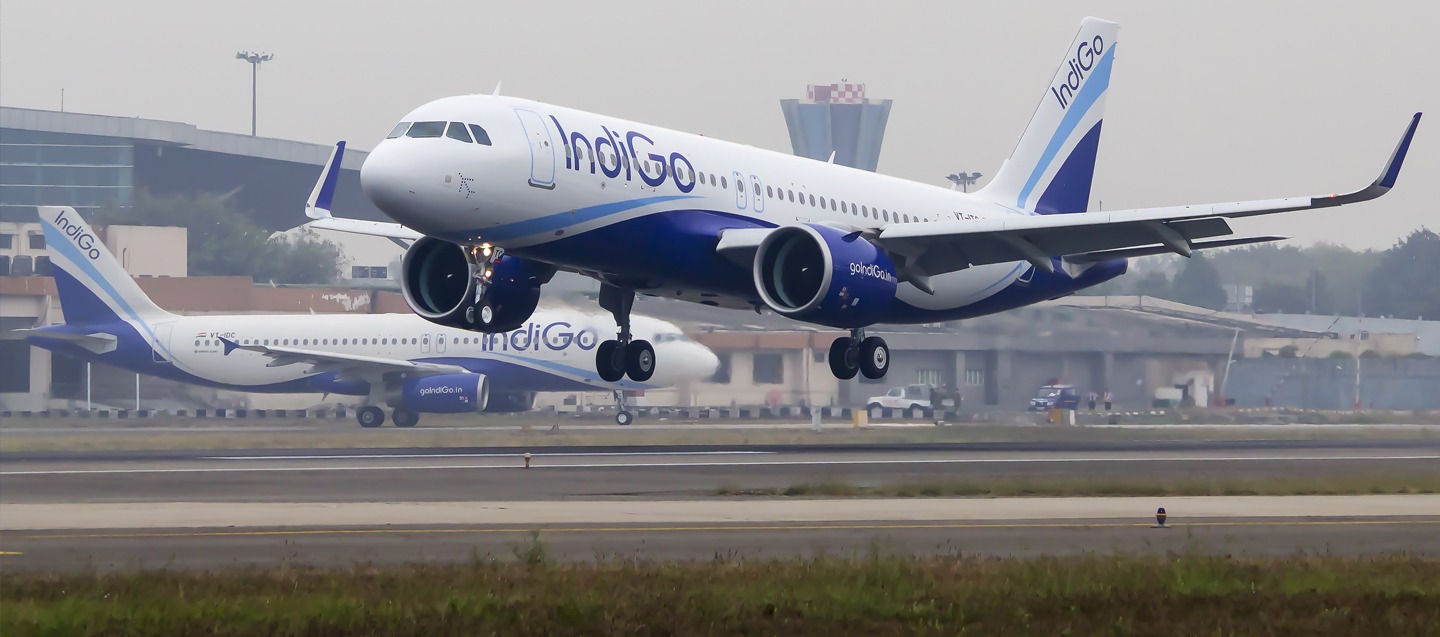
IndiGo is managing a net US dollar balance sheet exposure of approximately $9 billion as of March 31, 2026, driven by aircraft lease liabilities and maintenance obligations. The airline uses a combination of currency forwards and options to hedge this exposure, while deploying its strong cash reserves to prepay $450 million in lease debt.
MUMBAI — InterGlobe Aviation Limited, the operator of India’s largest airline, IndiGo, detailed its comprehensive risk mitigation framework to address a net foreign exchange balance sheet exposure of approximately $9 billion as of March 31, 2026. According to the company's annual financial disclosures and analyst presentations, this substantial dollar-denominated liability stems from long-term aircraft lease agreements and rolling supplementary maintenance obligations. To insulate its corporate earnings from intense currency volatility, the airline has scaled a structured financial defense program using a combination of foreign exchange forward contracts and options.
Anatomy of an Airline's $9 Billion Currency Exposure
Operating a capital-intensive commercial aviation business in an emerging market creates a structural currency mismatch. While IndiGo generates the vast majority of its passenger revenues in Indian Rupees (INR), its long-term financial liabilities are heavily weighed toward the United States Dollar (USD).
According to statutory disclosures, the $9 billion net balance sheet liability is driven by two main elements:
Dollar-Denominated Lease Liabilities: The recurring monthly lease rentals paid to global aircraft leasing firms to maintain its active fleet of over 440 aircraft.
Maintenance Obligations: Supplementary rental provisions accrued over time to cover major mid-life engine overhauls and heavy airframe checks, which must be settled in dollars with offshore maintenance, repair, and overhaul (MRO) facilities.
Because these financial obligations span an average horizon of 8 to 10 years, any unexpected depreciation of the Indian Rupee directly triggers mark-to-market (MTM) non-cash accounting losses, dragging down reported quarterly net profit figures.
Deploying Financial Tools to Balance Volatile Jet Fuel Costs
To prevent foreign exchange fluctuations from disrupting its operational margins, IndiGo’s corporate treasury utilizes a dual-layered risk program. The airline does not rely on a single hedging method; instead, it coordinates a combination of short-term vanilla forwards and protective currency options.
Forward contracts lock in exact exchange rates for upcoming near-term lease payments, giving management predictable cash outlays. Simultaneously, the strategic use of options establishes a protective ceiling against extreme dollar spikes, while allowing the airline to benefit if the Rupee strengthens.
This currency management framework operates alongside a flexible ticket pricing strategy designed to handle volatile aviation turbine fuel (ATF) costs. To maintain financial stability, the airline carefully balances fuel cost pass-throughs via targeted fare adjustments and temporary fuel surcharges, ensuring it covers rising costs without triggering demand elasticity drops among domestic passengers.
Operational Liquidity Buffers and Debt Prepayments
Despite the heavy non-cash accounting impact of foreign exchange adjustments, IndiGo's core cash generation remains strong. According to institutional research notes from Emkay Global, the airline closed the fiscal year 2026 cycle with a total cash buffer of ₹517 billion ($5.44 billion), including ₹362 billion held as entirely unencumbered free cash.
To structurally lower its long-term dollar exposure and cut down recurring interest expenses, the carrier executed a strategic debt reduction move. During the final quarter of fiscal 2026, IndiGo prepaid approximately $450 million (₹43.4 billion) of outstanding financial lease obligations.
The transaction was routed directly through its wholly owned aviation unit based in GIFT City, Gujarat. This entity will use the newly cleared balance sheet room to acquire and own aircraft, spare engines, and components directly, helping the parent airline gradually transition away from its heavy reliance on third-party offshore leasing models.
Official Sources Section
Financial exposure numbers, asset values, and liability metrics presented in this market update are compiled directly from the audited financial results and investor presentations submitted by InterGlobe Aviation Limited to the National Stock Exchange of India (NSE) and the BSE Limited on May 29, 2026. Corporate cash allocations and leasing debt parameters were verified against regulatory disclosures issued under SEBI Listing Obligations.
Quote Section
"Forex impact, though heavy on reported numbers, is largely mark-to-market in nature, arising from USD-denominated lease liabilities and maintenance accruals, which are payable over an extended 8 to 10 year timeline," noted capital market analysts in institutional reviews of IndiGo's balance sheet resilience following the closing of the 2026 fiscal book.
Why It Matters
Fluctuations in the USD/INR exchange rate can quickly erase an airline's operational profits. By actively managing a $9 billion dollar-denominated liability with structured derivatives, IndiGo protects its cash flow from currency swings. This risk management helps the carrier keep ticket prices stable for everyday travelers and protects institutional investors from sudden, currency-driven earnings shocks.
Key Facts at a Glance
Total Dollar Exposure: IndiGo carried a net USD balance sheet exposure of approximately $9 billion as of March 31, 2026.
Primary Liability Drivers: The core liabilities stem from long-term, dollar-denominated aircraft lease obligations and accrued maintenance costs.
Hedging Strategy: The airline manages this risk profile using a tactical combination of foreign exchange forward contracts and options.
Lease Prepayment: The company used its strong cash flow to prepay $450 million in financial lease obligations through its GIFT City subsidiary.
Total Liquidity Buffer: The carrier closed the financial year with ₹517 billion in total cash, providing a substantial cushion against macro shocks.
FAQ Section
Why does IndiGo have such a large $9 billion dollar exposure?
Commercial aviation relies heavily on the US dollar. Airlines buy or lease aircraft, source spare parts, and pay for major engine maintenance in USD. Because IndiGo runs a fleet of over 440 aircraft, these long-term lease liabilities and maintenance reserves add up to a significant foreign currency exposure.
How do forward contracts and options help the airline manage risk?
Forward contracts allow IndiGo to lock in a fixed USD/INR exchange rate for its upcoming monthly lease payments, making expenses predictable. Options function like an insurance policy: they protect the airline from sudden spikes in the value of the dollar while allowing it to capitalize on a stronger Rupee.
Are the foreign exchange losses reported by IndiGo draining its actual cash?
No. The majority of the reported quarterly foreign exchange fluctuations are non-cash, mark-to-market (MTM) accounting adjustments. These represent the changing value of long-term liabilities that will be paid out gradually over the next 8 to 10 years, rather than an immediate cash drain.
What is the significance of the $450 million lease prepayment in GIFT City?
By prepaying $450 million of debt through its GIFT City unit, IndiGo reduces its recurring interest costs and starts building direct ownership of its aircraft assets. This structural shift helps lower its long-term lease liabilities over time.
Source: Audited standalone and consolidated financial results submitted to the National Stock Exchange of India (NSE); InterGlobe Aviation Limited Investor Presentation issued May 29, 2026.