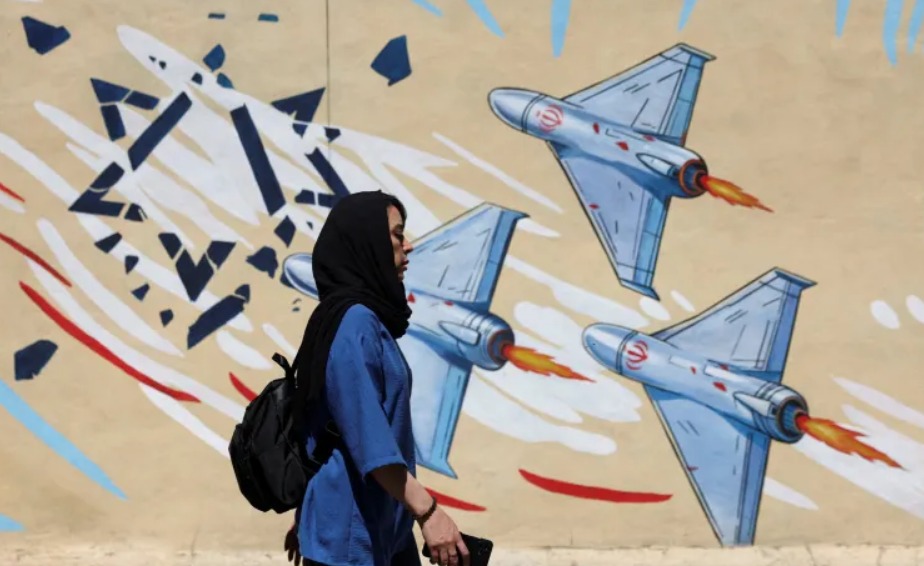
Donald Trump has signalled that Washington is still not satisfied with the emerging contours of a deal with Iran, even as back channel negotiations continue alongside the Iran–Israel war. The US president has talked up progress on a framework that could end major hostilities and reopen the Strait of Hormuz, but warns that Tehran has not yet met his conditions on sanctions, uranium and security guarantees.
Speaking at a cabinet meeting and in recent interviews, Trump said Iran was “negotiating on fumes” and insisted that the US would not rush into any agreement simply to ease domestic political pressure. He has framed the talks as a choice for Tehran between accepting strict limits and inspections, or facing the risk of renewed US and Israeli military action if the conflict flares again.
Trump’s Red Lines On A Deal
Trump has repeatedly said Iran must give up its stockpile of highly enriched uranium and accept that there will be no immediate sanctions relief or unfreezing of funds just for signing a preliminary understanding. He has also suggested that any settlement must be compatible with the existing Abraham Accords framework and cannot leave Iran with effective control over the Strait of Hormuz, a demand that touches both regional security and global oil flows.
War, Diplomacy And The Strait Of Hormuz
On the ground, Israel has continued strikes against Iranian and allied targets, including in Lebanon, even as Washington and Tehran test the limits of a possible ceasefire and de escalation package. Trump has openly rejected ideas that Iran and Oman could jointly oversee the strait, saying the US will “monitor it, but no one will control it,” underlining how central freedom of navigation and energy security have become in these talks.
What To Watch In The Coming Days
The next signals to track will be whether negotiators can bridge gaps on uranium, sequencing of sanctions relief, and security guarantees for Israel and Gulf partners. Markets and regional capitals alike are reading Trump’s “not satisfied yet” line as both negotiating pressure and a reminder that, despite some optimism around a framework, the Iran–Israel war and its wider risks are far from resolved.
Key Highlights
- Trump says US is “not satisfied yet” with current Iran deal terms, despite progress in talks to end the war and reopen Hormuz
- US demands include Iran giving up highly enriched uranium with no immediate sanctions relief or cash release
- President links any settlement to security for Israel and the Abraham Accords, and rejects Iranian control over the Strait of Hormuz
- Israel continues operations against Iranian targets even as diplomacy inches forward, keeping escalation risks alive
Sources: Live coverage and analysis from Al Jazeera, CNN, PBS and other international outlets on the Iran–Israel war and US–Iran negotiations