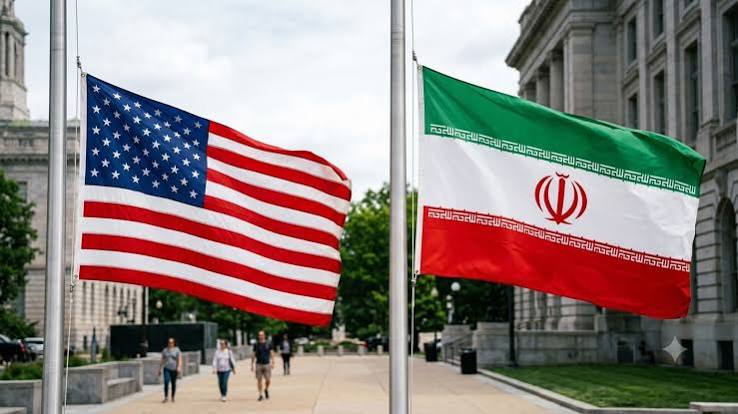
Iran has confirmed there is no progress on reviving its June interim peace deal with the U.S., denying reports of a ceasefire extension. Tehran maintains that direct negotiations will not resume until Washington addresses prior violations, lifts port blockades, and sets a binding implementation timeframe.
TEHRAN / WASHINGTON — Diplomatic efforts to establish a permanent end to the Middle East conflict remain heavily stalled, with senior Iranian officials confirming that no progress has been made toward reviving the interim peace deal signed in June. Speaking through intermediary dispatches on August 12, 2026, Iranian government sources dismissed reports suggesting that Tehran and Washington had agreed to extend a 60-day ceasefire under their Memorandum of Understanding. The standoff persists as both nations exchange demands over maritime blockades, frozen assets, and the operational reopening of the strategic Strait of Hormuz.
Stalled Mediation and Breakdown of the June Framework
The diplomatic friction centers around the June interim ceasefire agreement—commonly referred to as the Islamabad Memorandum of Understanding—which declared an immediate termination of military operations and established a 60-day window to negotiate a comprehensive treaty. However, the agreement unraveled rapidly after U.S. officials declared it "over" on July 7, followed by an official suspension announcement from Iran's Foreign Ministry a week later.
Reports published by regional outlets on Wednesday claimed that Pakistan had mediated an extension to the 60-day framework. Senior Iranian diplomatic sources firmly rejected these claims, stating that from Tehran's perspective, the U.S. violated the interim agreement within 48 hours of its signing. Consequently, Iranian Foreign Minister Abbas Araghchi affirmed that no direct talks are taking place and that communication remains limited to indirect messages passed via neutral third-party states.
Conflict Conditions and Maritime Impasse
The primary point of contention revolves around reciprocal obligations outlined in the original agreement. Washington accuses Tehran of failing to fulfill commitments to reopen the Strait of Hormuz, a critical transit hub for global oil shipments. In response, Iranian officials assert that Washington failed to execute its obligations, including lifting maritime blockades on Iranian ports, releasing seized assets, and providing defined implementation schedules.
| Policy Issue | Iranian Position | U.S. Position |
| Strait of Hormuz | Closed until U.S. lifts blockade and meets conditions. | Demands immediate reopening for commercial oil transit. |
| Sanctions & Assets | Requires immediate unfreezing of assets & blockade removal. | Ties relief to permanent nuclear and regional concessions. |
| Ceasefire Timeline | Refuses extension; insists U.S. must first rejoin original pact. | Seeking extended negotiation window via regional mediators. |
Global Market Impact and Energy Concerns
The ongoing diplomatic deadlock continues to create instability across global commodity markets. Tensions along key shipping routes have contributed to sharp fluctuations in energy prices, with Brent crude futures reflecting persistent supply disruption risks across the Persian Gulf.
Market analysts note that without a formal, binding operational agreement between Washington and Tehran, energy shipping routes through the Middle East will remain subject to elevated security risks and higher maritime insurance premiums.
Official Sources Section
Statements regarding the diplomatic status, intermediary communications, and foreign policy conditions cited in this dispatch are derived from official statements by Iranian Foreign Minister Abbas Araghchi, state dispatches from the Ministry of Foreign Affairs of the Islamic Republic of Iran, and official briefings released by the [suspicious link removed].
Quote Section
"One of the issues that is being discussed via mediators is the U.S. returning to the interim agreement and defining a timeframe for implementing its commitments. There has been absolutely no progress on this issue," stated a senior Iranian diplomatic source to Reuters on August 12, 2026.
Why It Matters
The lack of progress in reviving the interim peace deal prolongs geopolitical volatility across the Persian Gulf and Red Sea corridors. For global energy markets, international shipping companies, and regional economies, the continued impasse maintains high oil prices, elevated transit costs, and persistent risks of military escalation along major maritime choke points.
Key Facts at a Glance
Diplomatic Standoff: Iran confirms no progress has been made toward reviving the June interim deal with the U.S.
Reports Denied: Claims of a mutual agreement to extend a 60-day ceasefire were officially dismissed by Tehran.
Core Preconditions: Iran demands the U.S. define a clear timeframe for lifting port blockades and fulfilling original commitments.
Communication Channel: No direct talks are underway; communications occur strictly via third-party intermediaries.
FAQ Section
Is Iran currently holding direct peace talks with the United States?
No. Iranian Foreign Minister Abbas Araghchi confirmed that direct negotiations are not taking place and that communication is conducted solely through third-party intermediaries.
Did Iran and the US agree to extend their 60-day ceasefire?
No. Iranian diplomatic sources dismissed reports of an extension, stating that Washington's early departure from the June agreement left no active timeline to extend.
What is delaying the reopening of the Strait of Hormuz?
Tehran states the waterway will remain restricted until the U.S. lifts its naval blockade of Iranian ports, releases seized assets, and establishes a binding framework to uphold its commitments.
Where can official updates from foreign ministries be verified?
Official updates are published regularly on the portals of the Ministry of Foreign Affairs of the Islamic Republic of Iran and the [suspicious link removed].
Source: Reuters Middle East Dispatches, Ministry of Foreign Affairs of the Islamic Republic of Iran,