Iran’s embassy in New Delhi has expressed gratitude to India for participating in the state funeral of former Supreme Leader Ayatollah Ali Khamenei. Tehran praised the attendance of an official Indian delegation and political figures as a profound sign of friendship, despite alleged international pressures against attending the ceremony.
Tehran officials have lauded India's official delegation and public support during the mourning period for the late Supreme Leader, citing deep historical bonds.
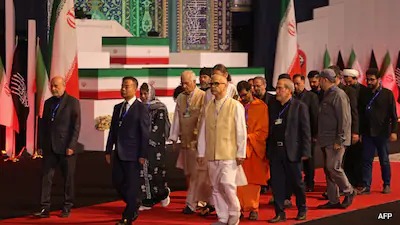
NEW DELHI/TEHRAN — The Embassy of the Islamic Republic of Iran in India has officially expressed its “heartfelt gratitude” to the government and people of India for their participation in the state funeral ceremonies of former Supreme Leader Ayatollah Seyyed Ali Khamenei. The gesture, which saw a high-level Indian delegation travel to Tehran, has been described by Iranian diplomatic representatives as a powerful reflection of the "deep historical, cultural, and human bonds" between the two nations.
Ayatollah Khamenei, who served as Iran’s Supreme Leader for decades, was killed on February 28, 2026, during U.S.-Israeli airstrikes in Tehran. Following a period of regional tension and mourning, the country has commenced a week-long state funeral that has drawn significant international attention.
A Significant Diplomatic Gesture
The Indian government was represented at the solemn ceremonies by a high-level delegation, including Minister of State for External Affairs Pabitra Margherita and Bihar Governor Lt. Gen. (Retd.) Syed Ata Hasnain. Their attendance was joined by prominent Indian political figures, including senior Congress leader and former External Affairs Minister Salman Khurshid and Jammu and Kashmir Peoples Democratic Party (PDP) president Mehbooba Mufti.
In a statement shared on social media on Sunday, July 5, 2026, the Iranian Embassy in India emphasized that the presence of such a diverse cross-section of Indian society—spanning political leadership, scholars, and representatives of various faiths—served as a "precious testament to the enduring ties" between the Islamic Republic of Iran and the Republic of India.
Countering Global Pressures
The Iranian expression of thanks follows reports from regional news agencies, including Iran’s Tasnim News, which alleged that the United States had engaged in a diplomatic campaign to discourage foreign nations from attending the funeral. According to these claims, Washington reportedly warned several countries that participation could be interpreted as an "unfriendly act."
Despite these reported pressures, India’s participation was highlighted as a sign of bilateral independence and commitment to long-standing ties. Iranian officials have stated that the people of Iran will "never forget this gesture of friendship, compassion, and heartfelt respect," viewing it as a foundation for future cooperation between the two countries.
Impact and Future Relations
The funeral of Ayatollah Khamenei marks a critical juncture for Iran, which has recently appointed his son, Mojtaba Khamenei, as the successor to the leadership. As Tehran moves through a week of public farewells—with ceremonies scheduled in cities including Qom, Najaf, and Karbala before the final burial in Mashhad—the diplomatic support from partners like India serves as a signal of continuity in its international relations.
For observers of regional geopolitics, the overt gratitude from Tehran underscores the strategic importance of the India-Iran relationship, which has traditionally balanced cultural exchanges with significant infrastructure and trade partnerships.
Official Sources
Information regarding the diplomatic exchanges was sourced from official statements from the Embassy of the Islamic Republic of Iran in India and reports from the Ministry of External Affairs, Government of India. Operational details regarding the funeral ceremonies were corroborated by the Associated Press and Al Jazeera.
Why It Matters
The public acknowledgment of India’s presence at the funeral signifies the importance Iran places on its non-Western diplomatic ties during a period of national transition. For India, the participation reinforces its policy of maintaining strategic autonomy and fostering deep-rooted regional connections in West Asia.
Key Facts at a Glance
Official Representation: India was represented by Minister of State Pabitra Margherita and Bihar Governor Lt. Gen. Syed Ata Hasnain.
Diplomatic Context: The move comes amid reports of U.S. pressure on nations to boycott the funeral ceremonies.
Regional Significance: Iran’s embassy stated that India's presence serves as a "valuable foundation" for future diplomatic cooperation.
Succession: The funeral follows the appointment of Mojtaba Khamenei as the new Supreme Leader of Iran.
Frequently Asked Questions
1. Who represented India at the funeral in Tehran?
India was represented by Minister of State for External Affairs Pabitra Margherita and Bihar Governor Lt. Gen. (Retd.) Syed Ata Hasnain, along with other senior political figures.
2. Why did Iran specifically thank India?
Iran expressed gratitude for India's participation as a gesture of "friendship, compassion, and heartfelt respect" despite international tensions surrounding the event.
3. What is the significance of the mourning period?
The week-long state funeral is a period of national mourning following the death of Ayatollah Ali Khamenei on February 28, 2026, marking a significant leadership transition in Iran.
Source: Embassy of the Islamic Republic of Iran in India, Ministry of External Affairs, India, Al Jazeera, Associated Press