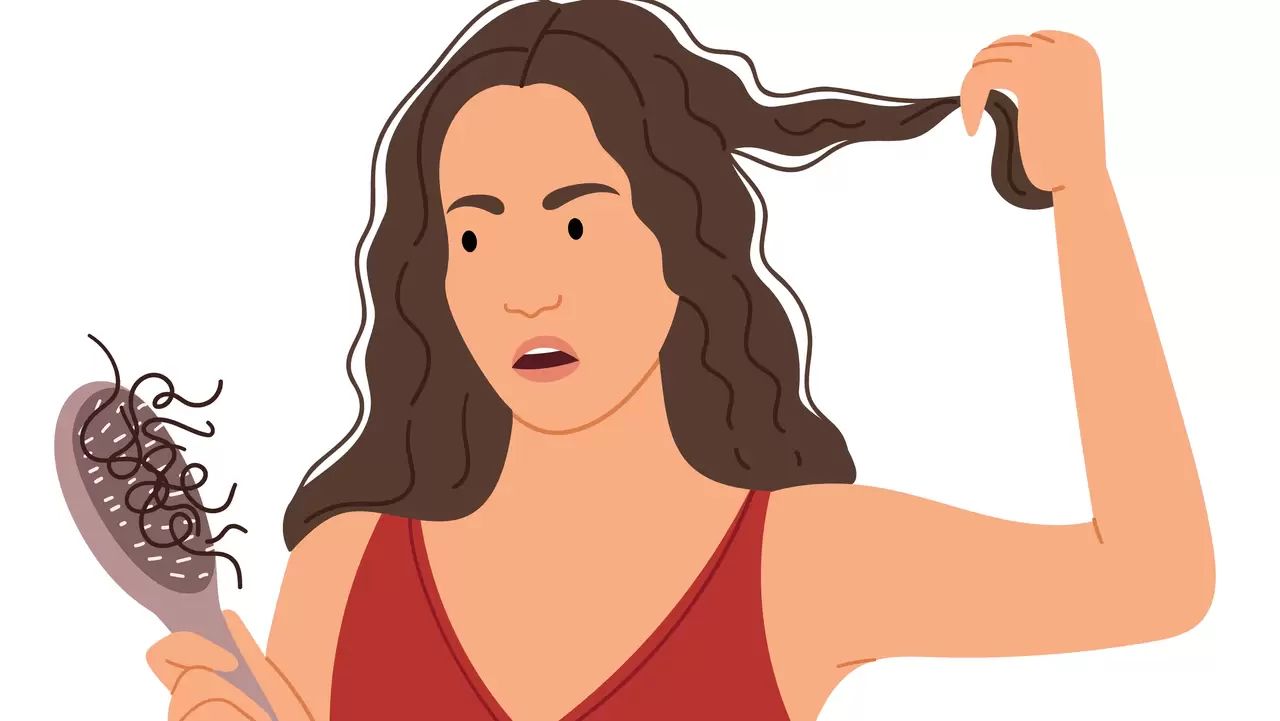
Excessive hair loss is often linked to nutritional deficiencies, particularly a lack of iron, zinc, and vitamin D. These nutrients are essential for oxygen transport and cellular repair within hair follicles. A clinical blood test is recommended to confirm deficiencies before beginning any targeted supplementation or dietary intervention
Research suggests that a common mineral deficiency may be the hidden culprit behind sudden hair shedding, making nutritional health a priority for scalp care.
NEW DELHI — For many people experiencing unexplained hair thinning, the solution may not be found in a bottle of expensive shampoo, but on their dinner plate. Medical experts are increasingly pointing to iron deficiency as a primary, yet often overlooked, driver of hair loss. As global awareness of nutritional health grows, clinicians are emphasizing that an adequate intake of essential minerals and vitamins is fundamental to maintaining the hair growth cycle.
According to studies reviewed by the Journal of the American Academy of Dermatology, iron deficiency is the most common nutritional disorder worldwide and is strongly linked to telogen effluvium—a condition where hair follicles prematurely enter a resting phase, leading to excessive shedding. While many associate hair loss with genetics or aging, nutritional status plays a decisive role in how follicles function, produce keratin, and sustain growth.
The Science of Scalp Health
The relationship between nutrition and hair vitality is rooted in the body's physiological priorities. Hair follicles are non-essential tissues, meaning that when the body is low on vital nutrients like iron, it prioritizes oxygen and energy delivery to critical organs, effectively "starving" the follicles.
Iron is essential for the production of hemoglobin, the protein in red blood cells that carries oxygen throughout the body. When iron levels are low, oxygen supply to the scalp diminishes, which can cause hair to become brittle, thin, and prone to falling out.
"According to officials, the most common nutritional deficiency in the world is iron, and it is frequently observed in individuals experiencing progressive hair thinning," notes research from the International Society of Hair Restoration Surgery (ISHRS).
Beyond Iron: The Nutrient Web
While iron often takes center stage, experts note that a complex interplay of nutrients supports a healthy scalp. Other critical components identified by clinical research include:
Zinc: A trace mineral crucial for tissue growth and repair, which also helps regulate oil glands around the hair follicles.
Vitamin D: Research suggests this vitamin plays a key role in cell turnover and follicle health; low levels are frequently observed in patients with alopecia.
B-Vitamins (Biotin and B12): These assist in the production of red blood cells and keratin, the protein that gives hair its structural strength.
Vitamin C: Beyond its immune-boosting properties, it is essential for collagen synthesis and significantly aids in the absorption of plant-based iron.
Why It Matters
For citizens, recognizing the signs of nutrient-related hair loss can be life-changing. Unlike many forms of permanent hair loss, shedding triggered by nutritional deficiencies is often reversible. By identifying the root cause—whether through dietary adjustments or supplementation—patients can restore their hair health and improve their overall energy levels and physical well-being.
Key Facts at a Glance
Common Trigger: Iron deficiency is the leading nutritional cause of hair thinning and increased shedding.
Ferritin Levels: Blood tests measuring serum ferritin (iron storage) are often used by doctors to diagnose potential hair-loss-related deficiencies.
Holistic Approach: A balanced diet rich in leafy greens, lean meats, nuts, and fatty fish provides a foundation for optimal hair growth.
Professional Guidance: Supplements should be taken under medical supervision to avoid toxicity and ensure appropriate dosage.
FAQ
How do I know if my hair loss is due to a nutrient deficiency?
Symptoms such as fatigue, pale skin, brittle nails, and thinning hair are common indicators. A simple blood test ordered by a healthcare provider is the only way to confirm a specific deficiency.
Can "hair growth" vitamins actually help?
Many over-the-counter supplements contain biotin and other vitamins. While they support health, they are most effective if you are actually deficient in those specific nutrients; taking them unnecessarily is generally not recommended.
How long does it take for hair to regrow after fixing a deficiency?
The hair cycle is slow. Once nutrient levels are restored to an optimal range, it typically takes three to six months to notice a visible improvement in shedding and regrowth.
Source: International Society of Hair Restoration Surgery, NCBI, Ubie Health