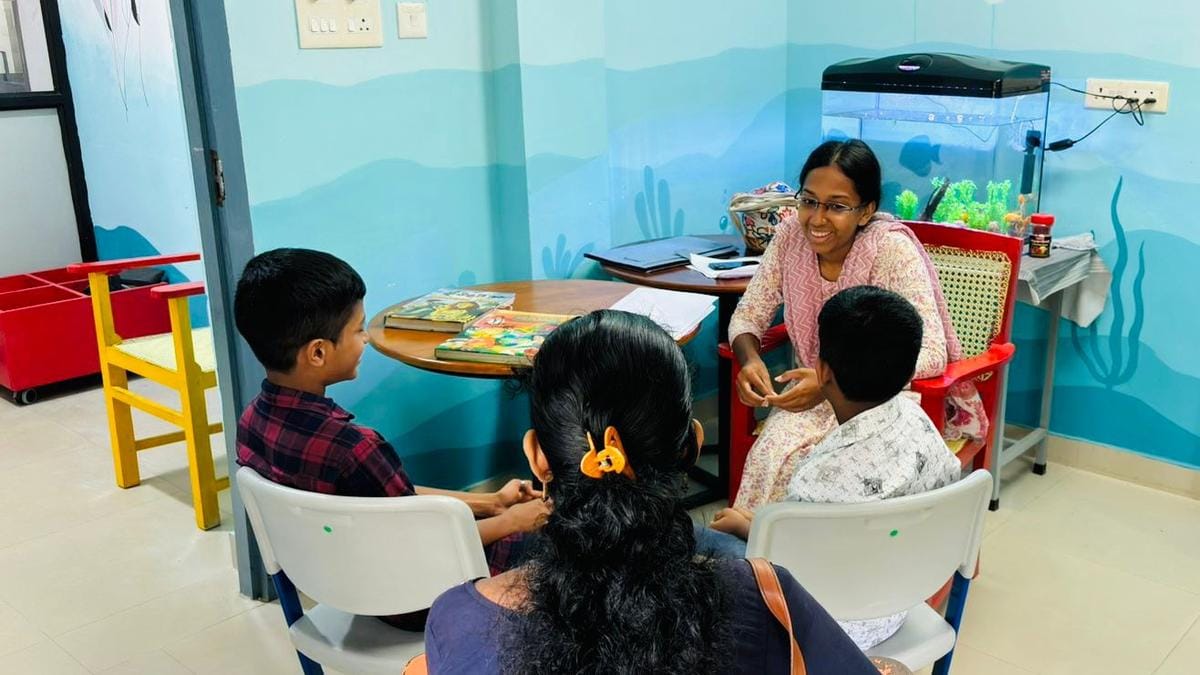
The Kerala Government has launched 'Talk Room' units in schools across the state as part of its comprehensive anti-drug strategy. The initiative offers students confidential psychological counseling, early risk detection, and support services to combat substance abuse and promote mental health alongside law enforcement efforts.
THIRUVANANTHAPURAM, India — The Government of Kerala is preparing to launch a dedicated 'Talk Room' initiative for children across educational institutions and community hubs as part of its ongoing statewide anti-narcotic campaign, Operation Toofan. Announced in Thiruvananthapuram on July 22, 2026, by state welfare and education authorities, the specialized program provides confidential counseling, mental health assistance, and early intervention services for students and adolescents exposed to substance abuse. The step comes amid intensified enforcement actions and multi-agency drives designed to eradicate drug networks near school zones and safeguard young populations.
The implementation of the Kerala 'Talk Room' anti-drug drive underscores a broader shift toward community-based prevention models. By integrating professional psychological support directly into academic environments, state officials aim to address behavioral changes early, offer stigma-free guidance, and shield children from illicit narcotics operators.
Dedicated Safe Spaces for Counseling and Early Intervention
Under the newly outlined structure, the Kerala 'Talk Room' anti-drug drive establishes quiet, private rooms within schools and local centers where students can speak candidly with trained counselors, social workers, and mental health professionals. To ensure maximum accessibility and trust, all interactions within the 'Talk Room' program remain strictly confidential, allowing children to seek help without fear of academic or social repercussions.
The program focuses on early detection of emotional distress, peer pressure, and initial exposure to illegal substances. Counselors deployed in these rooms are equipped to identify warning signs such as sudden academic decline, behavioral changes, emotional withdrawal, and susceptibility to substance experimentation. When complex cases arise, the initiative routes affected students toward specialized medical care, psychological therapy, and de-addiction centers coordinated by the Kerala Department of Health and Family Welfare.
Synergies with Operation Toofan and Multi-Agency Strategy
The Kerala 'Talk Room' anti-drug drive complements law enforcement measures under Operation Toofan, a comprehensive anti-narcotic operation executed by the Kerala Police alongside the Excise Department. While police forces focus on disrupting local supply chains, arresting habitual offenders, and seizing contraband, the 'Talk Room' network targets the demand side of the crisis by building emotional resilience among youth.
The initiative operates in synergy with existing state programs, such as the 'D-Dad' (Digital De-Addition) project, which addresses severe screen dependency and behavioral issues among adolescents. By pairing digital health monitoring with physical counseling spaces, Kerala's social welfare framework offers a structured defense against both behavioral and chemical dependencies affecting minors.
Addressing Rising Substance Cases and Youth Vulnerabilities
State police records highlight the growing necessity of intervention programs in educational settings. In 2025, Kerala registered 36,314 cases under the Narcotic Drugs and Psychotropic Substances (NDPS) Act, rising from 27,530 cases recorded in 2024. Official data reflects increased law enforcement vigilance alongside expanding efforts by peddlers to target younger demographics using synthetic drugs like MDMA and cannabis derivatives.
To counter these tactics, the General Education Department, in partnership with local self-government bodies, has formed thousands of ward-level anti-drug panels involving teachers, parents, ASHA workers, and Kudumbashree volunteers. The 'Talk Room' infrastructure serves as the primary clinical extension for these community panels, bridging the gap between neighborhood vigilance and professional psychological intervention.
Socio-Economic Impact and Community Involvement
The rollout of 'Talk Room' facilities provides substantial benefits across various social segments:
For Students and Youth: Grants immediate access to non-judgmental mental health assistance, helping children navigate peer pressure, anxiety, and early exposure to illicit substances.
For Parents and Families: Offers professional guidance and relief to households struggling to cope with behavioral changes or suspected drug experimentation in children.
For Educators and School Authorities: Equifies academic institutions with structured protocols and expert support, shifting school responses from punitive actions to supportive rehabilitation.
For Public Health and Safety: Reduces long-term addiction rates, decreases youth involvement in drug-related crime, and lightens the burden on public healthcare systems.
Official Sources Section
According to official briefings from the [suspicious link removed] and public updates released by the Kerala Police, the 'Talk Room' counseling units are being established in a phased manner across government and aided schools statewide.
These measures align with state government directives under Operation Toofan, combining strict law enforcement against drug networks with comprehensive social care, welfare programs, and educational awareness drives.
Quote Section
According to officials, establishing accessible, confidential counseling spaces within educational institutions is critical to breaking the secrecy surrounding youth substance experimentation and ensuring timely mental health intervention.
State representatives emphasized that the fight against narcotics requires active participation from families, teachers, and civic groups to create a safe, supportive environment for future generations.
Why It Matters
The practical implications of the Kerala 'Talk Room' anti-drug drive extend beyond immediate classroom counseling:
Early Identification: Prevents experimenters from progressing to chronic addiction through early risk detection.
Destigmatization: Normalizes seeking help for mental health and substance abuse concerns among school-age children.
Integrated Safety Network: Connects schools directly with state health departments, police welfare units, and certified child psychologists.
Key Facts at a Glance
Program Title: Kerala 'Talk Room' Student Counseling Initiative.
Core Objective: Provide confidential psychological support, early intervention, and anti-drug guidance to school children.
Supporting Framework: Operates alongside Operation Toofan and the D-Dad digital de-addition campaign.
Target Audience: School students, adolescents, parents, and academic guardians.
Lead Agencies: [suspicious link removed],
Kerala Police, and the Health Department.
Frequently Asked Questions
What is the primary goal of the Kerala 'Talk Room' initiative?
The initiative aims to provide safe, confidential counseling spaces in schools and community centers to help children resist peer pressure, cope with mental stress, and avoid substance abuse.
How does the 'Talk Room' protect student privacy?
All interactions within the 'Talk Room' are strictly confidential, ensuring students can seek psychological help without fear of social stigma or administrative penalties.
Which government departments are implementing this drive?
The initiative is jointly managed by the Kerala General Education Department, the Kerala Police Social Policing Division, and the Department of Health and Family Welfare.
Source: Official announcements released by the Kerala Police