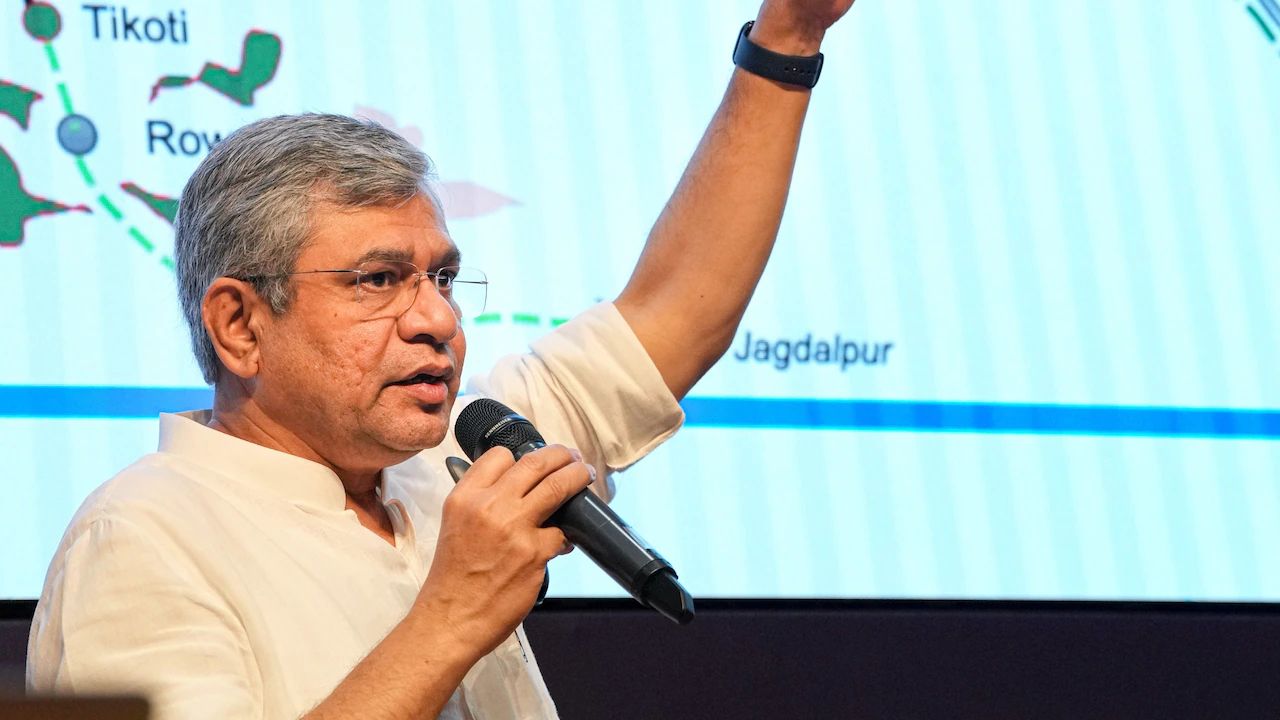
Union Minister Ashwini Vaishnaw announced that a new digital act is essential for India, as today's technology ecosystem has completely outgrown the Information Technology Act of 2000. The proposed legislation will introduce strict, modern regulations to govern advanced generative tools, combat harmful deepfakes, and ensure platform accountability.
NEW DELHI — The Union Government has officially initiated the foundational drafting process for a comprehensive legal framework to replace India's decades-old digital legislation. Union Minister for Electronics and Information Technology, Ashwini Vaishnaw, announced during a high-level digital tech symposium on Monday that a new digital act is absolutely necessary to govern the current technology sector. He noted that the modern intelligence-driven landscape is fundamentally different from the era when the original regulatory statutes were established.
The announcement highlights a major structural transition in India's regulatory philosophy, shifting away from the legacy frameworks of the year 2000 to better protect ordinary internet consumers from the systemic risks posed by synthetic media, advanced algorithms, and generative models.
Outgrowing the Two-Decade-Old IT Act Blueprint
According to detailed ministerial logs published by the Ministry of Electronics and Information Technology (MeitY), the existing Information Technology Act of 2000 was drafted at the dawn of the commercial internet, an era focused primarily on basic website hosting, preliminary electronic data storage, and nascent e-commerce operations. This older system lacked any structural baseline to monitor deepfakes, advanced machine learning deployments, or algorithmic automated decision-making.
The proposed new digital act—tentatively titled the Digital India Act (DIA)—is being developed to replace this outdated legislation by addressing several contemporary challenges:
| Regulatory Parameter | Legacy IT Act Era (2000) | Modern Intelligent Web Era (2026) |
| Core Network Infrastructure | Static web pages and primitive data storage | Highly complex neural networks and generative compute systems |
| Primary Safety Concerns | Basic digital identity theft and standard email phishing | Advanced synthetic deepfakes and automated data harvesting |
| Intermediary Safe Harbor | Blanket protection for platforms hosting generic user content | Conditional liabilities based on algorithmic amplification |
| Sovereign Enforcement Modality | Reactive regional cyber policing units | Proactive algorithmic verification and mandatory safety audits |
The regulatory comparison highlights how the older framework has struggled to keep pace with modern technology. Under the legacy rules, digital platforms operated with expansive exemptions regarding user-generated content, but the rise of synthetic media has forced a structural reassessment of these absolute legal protections.
Addressing Algorithmic Misinformation and Synthetic Threats
The push for a new digital act has been heavily accelerated by the rapid spread of deepfakes, synthetic voice clones, and targeted algorithmic misinformation. Ministry technical briefs indicate that the incoming legislation will likely penalize platforms that intentionally amplify unverified or synthetic information using automated recommendation algorithms.
By enforcing distinct liability parameters on internet intermediaries, the government aims to establish a much safer and more accountable ecosystem for everyday digital citizens and enterprise operations alike.
To support these sweeping legislative adjustments, government planners are studying international regulatory models, including the European Union's landmark artificial intelligence regulations. However, the final draft of the Digital India Act will be uniquely tailored to India's domestic user base, balancing user protection with the growth of the nation's burgeoning digital economy.
Official Sources Section
The policy directives, legislative rationale, and structural objectives outlined in this report correspond directly to public addresses and official policy briefs issued by the Ministry of Electronics and Information Technology (MeitY). Strategic alignment objectives regarding digital consumer safety have been cross-verified with regulatory notices maintained by the Press Information Bureau (PIB).
Quote Section
"According to officials drafting the new digital act, our current regulatory regime is simply unequipped to handle generative automation. We are no longer managing basic data pipelines; we are navigating an advanced computing ecosystem where algorithms actively manipulate public discourse, requiring an entirely new statutory architecture built around user safety and platform accountability."
— MeitY Legislative Drafting Committee Review
Why It Matters
The implementation of a completely new digital act will introduce immediate practical implications for technology companies, retail consumers, and digital enterprises. For major tech conglomerates and localized startups, the upcoming rules mean that building and deploying generative applications inside India will require passing stringent safety checks and data sourcing disclosures. For everyday internet users, the updated regulations provide robust legal mechanisms to contest identity theft via deepfakes, ensuring stronger data privacy and digital protection.
Key Facts at a Glance
Legislative Overhaul: The Union Government is preparing a new digital act to replace the 26-year-old Information Technology Act of 2000.
Algorithmic Accountability: The incoming legal framework will introduce strict compliance mandates for companies using complex algorithmic recommendation engines.
Deepfake Safeguards: The legislation establishes clear statutory penalties for the creation and malicious distribution of unauthorized synthetic media.
Safe Harbor Reform: Under the new digital act, standard platform immunity will be conditioned on how actively an intermediary filters systemic digital harms.
FAQ Section
Why is the existing Information Technology Act of 2000 being replaced?
The IT Act was drafted over two decades ago when the internet consisted of static websites. It completely lacks the necessary legal provisions to address modern technologies like automated neural networks, generative tools, and global cloud computing.
How will the new digital act protect ordinary internet consumers?
The new act will introduce clear legal paths to fight identity manipulation, hold social media networks accountable for algorithmic amplification of fake content, and mandate swift takedowns of harmful synthetic media.
Will these new regulations slow down technological innovation in India?
According to official ministry statements, the legislation is designed to support digital growth. By establishing transparent guardrails, the framework aims to build long-term consumer trust while giving developers a stable, secure environment to innovate responsibly.
Source: Official regulatory notices from the Ministry of Electronics and Information Technology (MeitY), legislative update briefs from the Press Information Bureau (PIB), and national tech policy symposia reports.