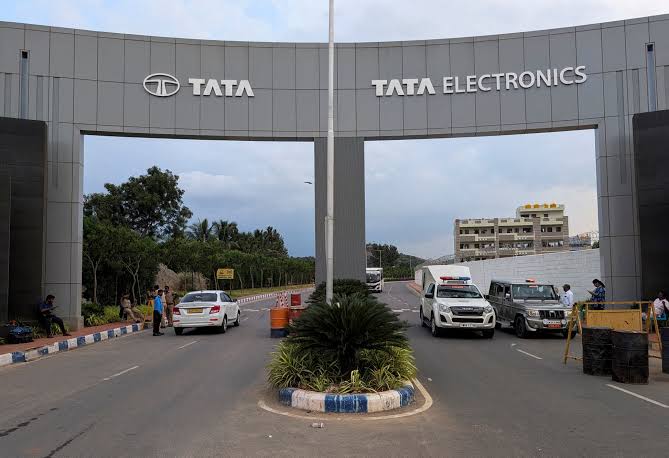
HOSUR, India — India’s primary pollution regulator has alleged that hazardous wastewater discharged from a Tata Electronics manufacturing facility producing Apple iPhone components has contaminated groundwater resources beneath surrounding farmlands. The environmental authority has formally issued a...
HOSUR, India — India’s primary pollution regulator has alleged that hazardous wastewater discharged from a Tata Electronics manufacturing facility producing Apple iPhone components has contaminated groundwater resources beneath surrounding farmlands. The environmental authority has formally issued a warning to Tata Electronics, stating the facility faces a forced shutdown and an immediate cut to its power supply unless the company presents a comprehensive explanation of its position and mitigation strategy. The development marks a significant regulatory challenge for Apple’s expanding supply chain footprint in South Asia.
Environmental Watchdog Detects Heavy Contamination
According to official documents and inspection findings released by the Indian pollution control body, environmental engineers discovered that wastewater management protocols at the Hosur plant in Tamil Nadu failed to prevent industrial effluents from seeping into local aquifers. The facility, which specializes in the precision manufacturing of structural parts for Apple iPhones, reportedly discharged untreated or improperly managed chemical waste that has severely compromised the water quality of agricultural properties bordering the complex.
The regulatory agency highlighted that the contaminated groundwater poses an immediate ecological and economic threat to local agricultural communities dependent on clean water for crop cultivation and livestock. Under national environmental protection statutes, the regulatory body asserted it holds the mandate to suspend commercial activities to preserve public health, leading to the formal warning of a utility disconnection and operational freeze.
Tata Asserts Full Regulatory Compliance
In response to the government’s findings, Tata Group has mounted a legal and operational defense, relying on third-party verification to counter the state's claims. Representatives for the conglomerate stated that internal oversight mechanisms have remained rigorous since the factory's inception.
The company disclosed that a newly commissioned, independent scientific study conducted at the site indicates the plant maintains a clean record regarding waste management. Executives have maintained that their current waste treatment infrastructure prevents external seepage, placing them in alignment with local statutes.
Official Sources Section
The ongoing dispute is documented through official notices from the regional Pollution Control Board and formal filings submitted by Tata Electronics. The enforcement notices detail specific groundwater sampling dates and chemical parameters that exceeded permissible industrial limits, while corporate compliance statements outline the technical methodology utilized in Tata's defense study.
Quote Section
"According to officials from the regional pollution regulatory body, the environmental impact on nearby agricultural lands requires immediate corrective actions, and standard statutory notices have been served to protect public resources. Conversely, Tata management stated that an independent study shows the facility is in full compliance with all regulatory norms."
Why It Matters
The regulatory confrontation carries wide-ranging implications for multiple stakeholders:
For Tech Supply Chains: Apple has increasingly relied on India, particularly partner facilities run by Tata and Foxconn, to diversify its hardware assembly away from traditional manufacturing hubs. A forced halt at a major component facility could trigger bottleneck dependencies for international iPhone delivery timelines.
For Investors: Institutional investors focused on Environmental, Social, and Governance (ESG) criteria are closely watching how industrial projects balance rapid infrastructure expansion with environmental stewardship.
For Citizens: Local farmers and residents face immediate risks concerning food safety and soil viability if industrial heavy metals or processing chemicals remain unchecked in the local water table.
Key Facts at a Glance
The Allegation: India’s pollution regulator claims wastewater from a Tata iPhone parts plant contaminated farmland groundwater.
The Ultimatum: Government agencies threatened the plant with a forced shutdown and power cuts unless compliance terms are met.
The Defense: Tata Group points to a new independent study verifying its full compliance with environmental frameworks.
Location: The targeted factory is located in the industrial corridor of Hosur, Tamil Nadu.
FAQ Section
Q: Which specific components are manufactured at the Tata Hosur plant?
A: The facility manufactures high-precision structural enclosures and parts utilized in the assembly of global Apple iPhone models.
Q: Has the factory officially been ordered to stop work?
A: No, a shutdown order has not been executed yet. The pollution control body has issued a final warning notice requiring Tata to explain its environmental stance before severe punitive measures, like power disconnection, are applied.
Q: What does Tata's independent study conclude?
A: The independent report commissioned by Tata claims that effluent treatment systems are working as intended and that the facility operates in full accordance with national environmental laws.
Source: Official regulatory filings from the Tamil Nadu Pollution Control Board and corporate environmental statements issued by Tata Electronics.