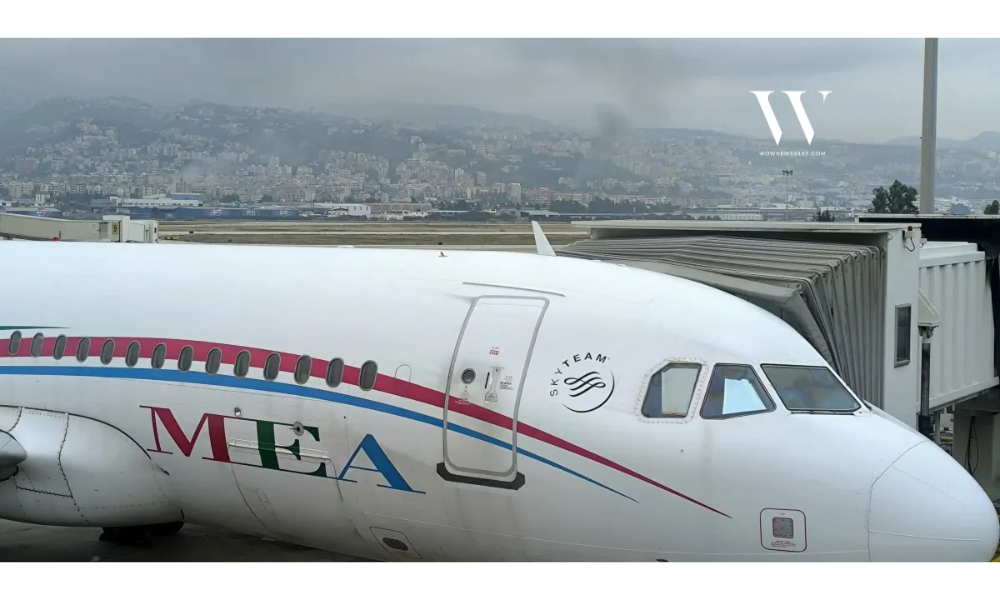
Lebanon's aviation regulator has launched a safety audit of Middle East Airlines and is actively mediating a dispute between pilots and management. The move follows formal letters from pilot groups raising serious concerns over regional airspace safety and potential corporate penalties for refusing flights through volatile zones.
BEIRUT — Lebanon's primary aviation oversight body has officially launched an unexpected, comprehensive safety audit of the nation's flag carrier, Middle East Airlines (MEA). The swift regulatory intervention comes amid escalating tension between commercial aviator associations and airline management regarding flight operations over active regional conflict sectors.
According to formal statements from the Directorate General of Civil Aviation (DGCA) Lebanon issued on Wednesday, June 3, 2026, the head of the civil aviation regulator is actively mediating structural standoffs between pilot groups and executive boards. The regulatory review was triggered after a formal letter from the Lebanese Air Line Pilots Association expressed serious concerns regarding rapid, unannounced airspace closures, missile defense interceptions, and the lack of a centralized, transparent risk-assessment protocol. The intervention is vital to safeguard national civil aviation standards as regional tensions fluctuate.
Mediation Sparked by Pilot Letters Alleging Corporate Retribution
The specialized safety audit highlights deep friction within the operational architecture of Beirut's aviation ecosystem. Aviators have increasingly expressed concerns over their potential breach of contract or financial penalties if they refuse routes passing through highly volatile flight information regions (FIRs).
The International Federation of Air Line Pilots' Associations (IFALPA) confirmed that pilots in Lebanon and surrounding regions have faced corporate pressure, including threats of salary suspension or termination. These disclosures prompted the Lebanese DGCA to intervene directly as an independent mediator. The regulatory authority is establishing an emergency framework where flight crews can log safety anomalies or exercise their command right of route refusal without facing internal corporate sanctions.
The sudden regulatory oversight directly impacts scheduling networks for travelers, regional corporate supply chains, and insurance underwriting pools that evaluate airline risk profiles in the Eastern Mediterranean corridor.
Comprehensive Review Targets Strategic Risk Management Systems
The technical scope of the audit focuses squarely on MEA’s daily dispatch routines and coordination with international air traffic control networks. Operational logs indicate that flights frequently have to adapt mid-route due to complex military tracking patterns across neighboring skies.
The review process will check whether flight planning software uses real-time risk data. Additionally, it will verify if the airline carries sufficient fuel reserves to handle sudden, long-distance flight diversions to alternative airports in Europe or the Gulf.
Aviation Authorities Focus on Flight Crew Protection
The mediation process aims to align corporate dispatch rules with the safety requirements of the International Civil Aviation Organization (ICAO). Investigators are reviewing the airline's internal safety channels to ensure flight crews can report concerns without fear of negative consequences.
Official Statements on Regulatory Actions
Fadi El-Hassan, Director General of Civil Aviation for Lebanon, verified that the regulator's main goal is to protect institutional safety standards while keeping vital international flight connections open.
"According to officials familiar with the active mediation logs, the department is currently establishing a standard process to resolve disputes between pilot groups and the airline," the regulator's statement clarified. "Organizers stated that the safety audit of Middle East Airlines will strictly evaluate compliance with emergency flight path changes. The goal is to ensure that flight crews are never forced to compromise security parameters due to commercial pressure."
International insurance specialists are tracking the mediation closely. They warn that unresolved labor disputes concerning safety can trigger hikes in hull war risk premiums, which would increase ticket costs for consumers.
Broad Impact on International Travelers and Regional Commerce
The regulatory audit and ongoing mediation significantly influence transport networks, commercial aviation operations, and travel confidence across the region.
Critical Implications for the Aviation Ecosystem
Heightened Safety Assurances: A independent regulatory audit improves flight safety by ensuring routes undergo strict, transparent risk checks.
Flight Schedule Adjustments: Enhanced risk assessments could cause occasional flight delays or longer routes as teams avoid volatile airspace blocks.
Legal Protections for Crews: Successful mediation sets a key legal precedent, protecting pilots' right to refuse unsafe routes without facing financial penalties.
Official Sources Section
The operational updates, regulatory statements, and pilot group communications have been sourced from official public notifications by the Directorate General of Civil Aviation (DGCA) Lebanon, technical safety bulletins issued by the International Federation of Air Line Pilots' Associations (IFALPA), and flight security declarations from Middle East Airlines.
Why It Matters
For global travelers and the aviation industry, this development highlights the critical importance of keeping pilot safety choices free from corporate pressure. When a national regulator steps in to run an independent safety audit, it helps restore confidence in that country's aviation safety standards. For the public, this mediation ensures that the teams flying commercial aircraft can make critical path decisions based purely on flight safety data rather than commercial interests.
Key Facts at a Glance
Regulatory Action: Lebanon's DGCA has launched a targeted safety audit reviewing Middle East Airlines' operations.
Mediation Role: The head of the aviation authority is actively mediating between pilot groups and airline management to resolve safety disputes.
Core Issues: Pilot unions expressed serious concerns regarding rapid airspace closures and potential corporate penalties for refusing routes.
Global Oversight: The audit aligns with safety warnings from international pilot groups like IFALPA regarding flight operations over volatile areas.
Frequently Asked Questions
What triggered the safety audit of Middle East Airlines?
The audit was launched after pilot associations sent formal letters raising concerns about flying through unpredictable regional airspace. They also flagged a lack of clear risk-assessment sharing and feared career penalties for refusing assignments.
What does the aviation regulator hope to achieve through mediation?
The Director General aims to create a balanced framework that ensures passenger safety while keeping flights running. This includes protecting pilots from financial or professional penalties if they flag a route as unsafe.
Will this safety audit cause widespread flight cancellations?
The audit focuses on internal safety processes, risk assessments, and communication channels. While it may lead to proactive route changes or minor delays, it is designed to keep flights operating safely rather than forcing widespread cancellations.
Source: Directorate General of Civil Aviation Lebanon, International Federation of Air Line Pilots' Associations, Middle East Airlines Safety Updates