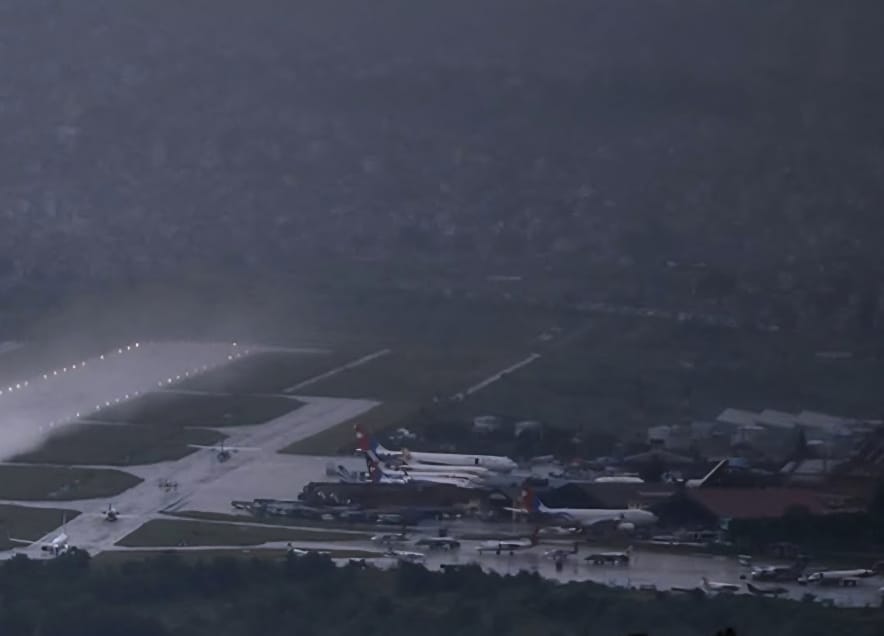
Poor visibility at Kathmandu’s Tribhuvan International Airport caused multiple flight diversions and delays, disrupting travel schedules for hundreds of passengers. Airlines were forced to reroute flights to alternate destinations as safety concerns grew. Authorities continue monitoring weather conditions while travelers face uncertainty and extended waiting times.
Kathmandu’s main aviation hub experienced operational challenges as dense fog and low visibility significantly impacted flight movements. Several incoming flights were unable to land safely, prompting diversions and delays, highlighting ongoing weather-related vulnerabilities in Nepal’s air travel infrastructure.
Weather Conditions Trigger Flight Chaos
Low visibility, primarily caused by fog and changing weather patterns, reduced runway visibility below safe landing limits. Pilots approaching Tribhuvan International Airport were compelled to abort landings and divert to nearby airports, including those in India and other regional hubs. This created a ripple effect, delaying outbound flights as well.
Airlines And Passenger Impact
Airlines faced logistical challenges managing diverted aircraft, crew schedules, and passenger accommodations. Travelers reported long waiting hours, missed connections, and uncertainty regarding rescheduled departures. Airport authorities worked closely with airlines to manage congestion and assist stranded passengers, though delays persisted.
Safety Protocols And Aviation Response
Aviation authorities emphasized that diversions were necessary to ensure passenger safety. Strict adherence to international aviation safety standards meant that flights could not land without adequate visibility. Officials stated that operations would normalize once weather conditions improve and visibility levels return to acceptable limits.
Infrastructure And Seasonal Challenges
Kathmandu airport frequently faces such disruptions during winter months due to fog and geographical constraints. Limited advanced landing systems at the airport further complicate operations during low-visibility conditions, raising discussions about the need for upgraded aviation infrastructure.
Key Highlights
- Flight diversions triggered by dense fog and low visibility conditions
- Multiple international and domestic flights affected
- Passengers faced delays, missed connections, and uncertainty
- Airlines coordinated rerouting and passenger support efforts
- Authorities prioritized safety amid challenging weather conditions
- Recurring issue highlights need for improved airport infrastructure
Sources: Aviation authorities updates, airline reports, regional weather monitoring agencies