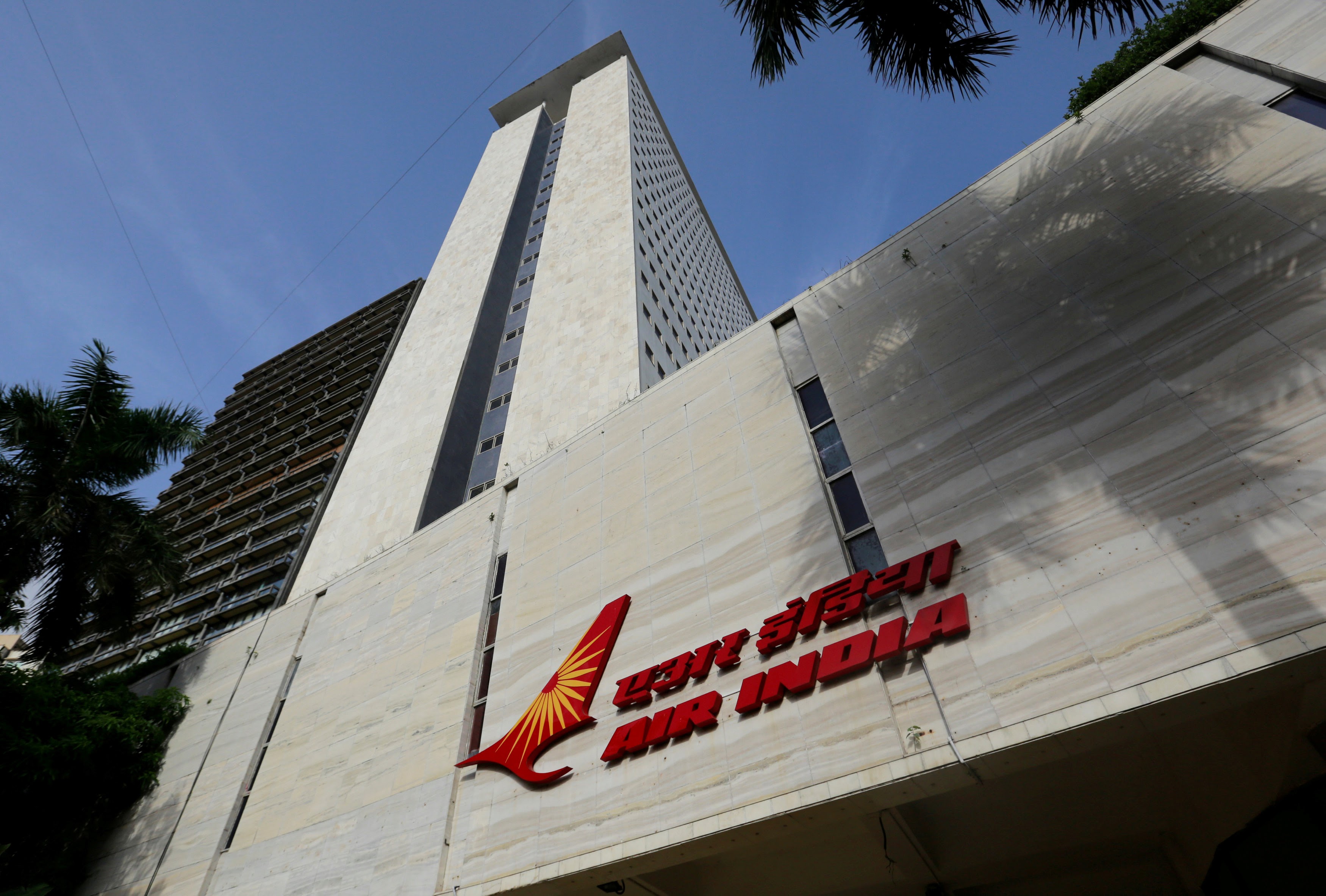
The historic Mantralaya building serves as the core administrative hub of Mumbai. The acquisition of the nearby Air India building expands the state's executive footprint to Nariman Point, bringing scattered public departments back into a central corporate alignment.
MUMBAI — The Maharashtra government has formally concluded its acquisition of the landmark Air India building at Nariman Point for ₹1,601 crore. The transaction officially transfers the iconic 23-storey sea-facing commercial skyscraper from Air India Assets Holding Limited (AIAHL), a state-run special purpose vehicle, to the state’s Public Works Department (PWD).
The deal, signed at the state secretariat, Mantralaya, resolves a multi-year office space crunch for the regional administration following a destructive secretariat fire in 2012. By shifting major ministries into the over 45,000 square meter facility, the government expects to save roughly ₹200 crore annually in commercial rental bills.
Resolving Decelong Office Scarcity Near Mantralaya
The consolidation layout directly remedies structural spatial deficits that have hindered state administration for over a decade. Ever since a devastating fire tore through the main Mantralaya building in 2012, numerous state departments have operated out of makeshift, highly distributed commercial rentals scattered across Mumbai and Navi Mumbai.
Important public offices including the Public Health, Medical Education, and Rural Development departments, along with the Transport Commissionerate and the Maharashtra Administrative Tribunal (MAT) have been leasing spaces from state utilities like MTNL and private landlords. This administrative dispersion fractured operational synergy and burdened the state treasury with massive recurring overheads. The acquisition provides a single, centralized enclave to bring these vital branches back within walking distance of the central seat of power.
Multi-Year Negotiation and Debt Settlement Details
The transaction caps a highly competitive, multi-year asset monetization process that began shortly after Air India relocated its primary corporate headquarters to New Delhi. During initial bidding phases, the property drew significant institutional interest, with the Jawaharlal Nehru Port Authority (JNPA) countering at ₹1,375 crore and the Life Insurance Corporation of India (LIC) offering ₹1,200 crore.
To anchor its winning priority status against an initial ₹2,000 crore corporate reserve price, the state government sweetened its financial restructuring terms. Alongside the direct cash payment of ₹1,601 crore transferred to AIAHL accounts the state cabinet authorized a fiscal waiver clearing approximately ₹298 crore in accrued unearned income penalties and historical interest dues tied to the original land lease.
Official Sources Section
The final transfer agreement was verified and executed under statutory guidelines in Mumbai. Legal clearances and project directives were confirmed by the [suspicious link removed] alongside representative executives from Air India Assets Holding Limited. A comprehensive engineering evaluation conducted by the Veermata Jijabai Technological Institute (VJTI) validated the long-term structural viability of the tower.
Quote Section
Following the structural handover review meeting, Public Works Department Minister Shivendrasinh Bhosale outlined the upcoming architectural transition:
"The transfer of the Air India building to the Maharashtra government is an important milestone in strengthening the state's administrative infrastructure. The building will be developed as a model government complex with priority given to quality, sustainability, and citizen convenience. The main entrance will be redesigned to reflect Maharashtra's rich cultural heritage."
Why It Matters
For citizens and taxpayers, the acquisition directly converts recurring, high-cost government lease expenditures into a long-term, state-owned asset. Consolidating dozens of regulatory departments into a single sea-facing high-rise eliminates bureaucratic transit times, reduces inter-departmental friction, and provides a centralized, accessible location for visiting publics to resolve administrative queries.
Key Facts at a Glance
Transaction Value: Bought for a final sum of ₹1,601 crore, alongside a comprehensive state waiver of ₹298 crore in land lease penalties.
Fiscal Savings: Eliminates an estimated ₹200 crore annual public expenditure previously spent on scattered commercial office rentals.
Property Scale: A historic 23-storey landmark completed in 1974, providing over 45,000 square meters of premium workspace.
Renovation Timeline: A structural overhaul guided by VJTI parameters is scheduled for immediate rollout, targeting complete departmental occupancy within six months.
FAQ Section
Why did the Maharashtra government purchase the Air India building?
The purchase addresses severe office space shortages facing state ministries since the 2012 Mantralaya fire, allowing the government to pull its offices out of expensive rental units.
Was this building part of the recent Air India privatization to Tata Group?
No. The tower was classified as a non-core asset prior to privatization and was specifically transferred to the Union government's special purpose vehicle, Air India Assets Holding Limited, for individual liquidation.
Which departments will move into the Nariman Point skyscraper?
Key administrative arms currently operating from scattered commercial spaces—such as Public Health, Medical Education, Rural Development, and the Transport Commissionerate—will relocate to the building.
When will the new government complex be fully operational?
Following urgent infrastructural, electrical, and cosmetic updates managed by the PWD, offices are scheduled to begin shifting sequentially over the next six months.
Source: Directorate General of Information and Public Relations (DGIPR), Public Works Department (PWD) Administrative Orders.