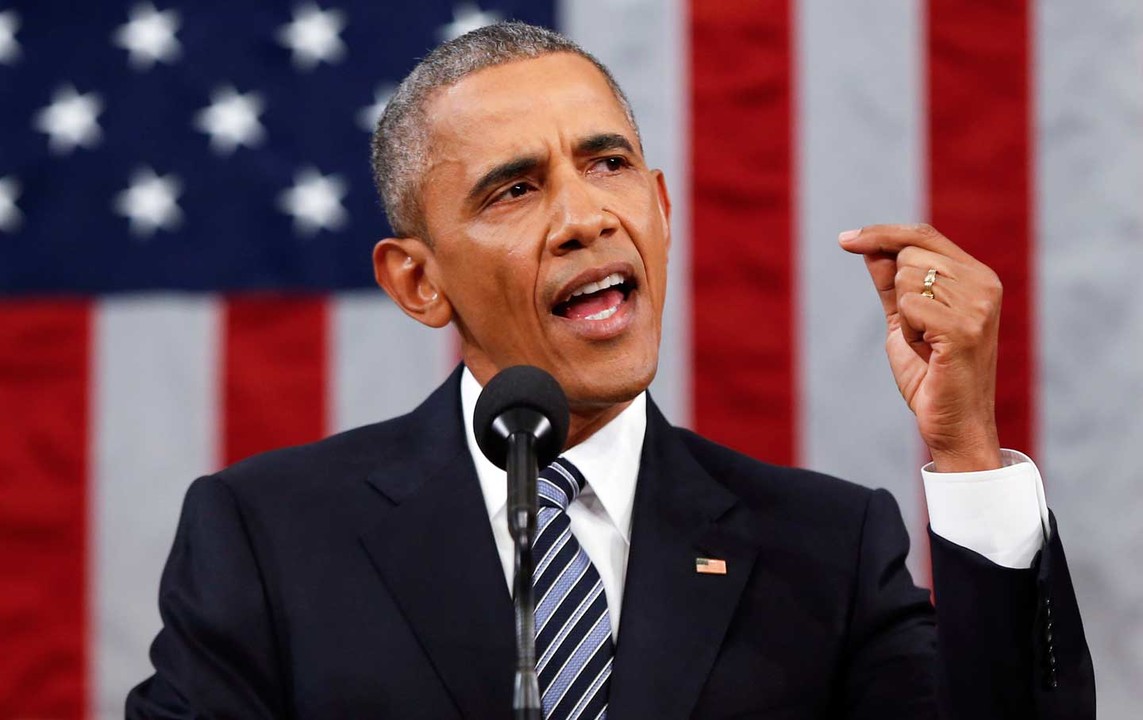
A classic quote from former U.S. President Barack Obama—"Money is not the only answer, but it makes a difference"—reverses the spotlight onto personal financial responsibility. Financial planners emphasize that proper budgeting and disciplined asset management are essential tools for securing long-term health, education, and individual freedom.
NEW YORK — Financial education institutes and public policy researchers have integrated a classic quote from former U.S. President Barack Obama into modern wealth management frameworks. According to corporate education briefs published on June 9, 2026, via The Economic Times, the core sentiment that "Money is not the only answer, but it makes a difference" has been established as a primary teaching tool for consumer financial responsibility.
This structural guidance carries deep importance today as volatile inflation rates, changing labor markets, and rising credit card debts create severe financial challenges for households globally. Financial planners are using this insight to explain that while capital alone cannot resolve complex personal, emotional, or structural societal problems, managing money wisely remains a necessary prerequisite for securing individual stability, emergency protection, and long-term personal freedom.
Evaluating the Economic Balance: Wealth vs. Values
According to data compiled by personal finance registries, the core lesson behind the former president's statement is the critical distinction between accumulating wealth as an ultimate goal and utilizing money as a tool to support life security. The model shows that income levels do not guarantee long-term stability if structured financial planning is missing.
The structural relationship between active financial planning and daily security can be traced across key life sectors:
Educational groups indicate that financial responsibility starts with a clear understanding of income versus essential expenses. By prioritizing structured savings, consumers can protect themselves against sudden economic downturns, medical costs, or job transitions, ensuring their core values are backed by real financial security.
Strategic Areas Shaped by Responsible Money Management
To demonstrate how financial resources influence personal outcomes, asset management registries have highlighted the specific life areas where structured capital allocation has the most direct impact on consumers:
| Key Life Sector | Direct Influence of Structured Capital | Long-Term Strategic Outcome |
| Educational Access | Secures premium learning options and specialized skill certification | Increases career flexibility and lifetime earning potential |
| Emergency Healthcare | Funds private insurance premiums and unexpected medical emergencies | Minimizes catastrophic debt during sudden health events |
| Residential Stability | Enables access to secure, appreciating real estate assets | Builds long-term generational wealth and community safety |
| Autonomy and Choice | High savings reserves reduce dependence on unfavorable employment | Grants the freedom to pursue career changes or entrepreneurial goals |
Data from consumer registries indicates that high-earning individuals often experience financial stress if they lack basic budgeting discipline. Conversely, households with modest, well-managed income levels frequently achieve greater long-term economic peace of mind by systematically avoiding high-interest consumer debt and prioritizing automated savings buckets.
Official Sources Section
The financial principles, consumer statistics, and historical quote attributions covered in this report are based on official educational archives and economic briefs published by The Economic Times Markets Segment and cross-verified with personal finance education frameworks used by global asset networks.
Quote Section
"According to officials tracking consumer wealth trends, the real power of financial responsibility lies in learning how to manage your resources, rather than just focusing on how much you earn. Acknowledging that money makes a concrete difference in life security allows individuals to build practical, long-term savings strategies that protect their well-being."
— National Financial Literacy Alliance Operational Review
Why It Matters
Practicing disciplined financial responsibility has immediate, real-world benefits for everyday consumers and families. By building a strict budget, avoiding high-interest debt, and setting up an emergency fund that covers three to six months of expenses, individuals can transform their relationship with money. This security frees them from the constant anxiety of living paycheck to paycheck, allowing them to make confident career decisions and protect their households from sudden economic shifts.
Key Facts at a Glance
Core Message: Former U.S. President Barack Obama highlighted the practical role of wealth by noting: "Money is not the only answer, but it makes a difference."
Management Over Earnings: Financial advisors state that proper budgeting and asset allocation are far more critical to long-term security than simply increasing baseline income.
Structural Safety: Having dedicated capital directly influences a family's access to premium healthcare, high-quality education, and safe housing.
Preventing Debt Cycles: Developing early financial awareness helps consumers avoid high-interest credit card debt and loans, which often drain long-term wealth.
Balanced Living: Experts stress that financial stability works best when balanced with personal health, strong relationships, and a clear sense of purpose.
FAQ Section
1. What is the real meaning behind Barack Obama's quote about money?
The quote emphasizes that while money cannot buy genuine happiness or solve all life’s personal challenges, it plays a vital role in providing security, opening up opportunities, and reducing daily survival stress.
2. How can an individual start practicing better financial responsibility today?
A person can start by tracking all income and expenses, creating a practical monthly budget, cutting out high-interest consumer debt, and setting up automatic transfers to build an emergency savings fund.
3. Why do some high earners still face severe financial struggles?
Financial problems often persist for high earners due to "lifestyle creep"—where spending increases at the same rate as income—combined with a lack of disciplined budgeting, high debt loads, and a failure to save for unexpected emergencies.
Source: The Economic Times New Updates Portal.