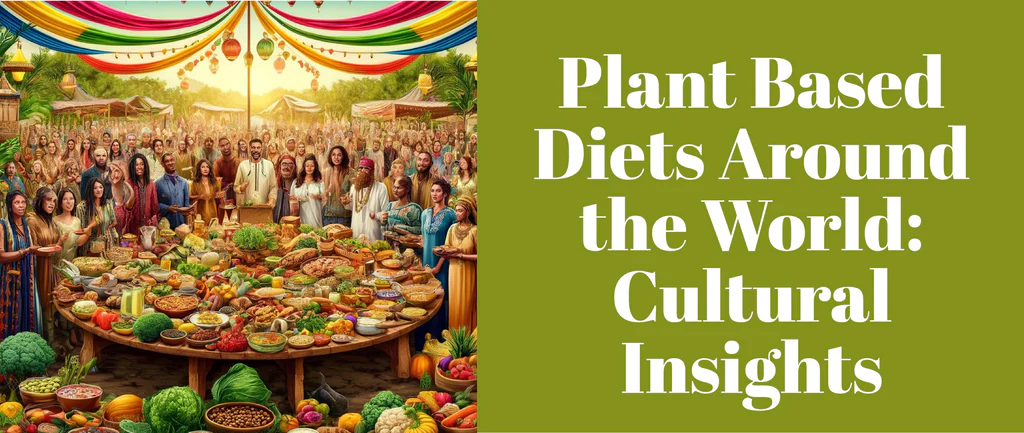
International culinary audits highlight six global cities—including Mumbai, Cairo, and Oaxaca, where the street food culture is inherently built around plant-based diets. Rooted in deep cultural and geographic histories, these sidewalk menus supply millions of daily commuters with highly affordable, naturally meat-free nutrition centered on whole legumes, grains, and regional spices.
LONDON — Global culinary institutes and international food safety agencies have released structural documentation mapping the planet's most resilient street food networks. According to global hospitality data, the culinary landscape is shifting rapidly toward a specialized group of six cities where street food culture is built around plant-based diets, rather than adapted for them.
This tracking carries major significance today as tourism registries and urban dietary researchers note an increase in international travelers seeking authentic, meat-free street food. Instead of modern western cities that use processed meat substitutes to recreate classic dishes, these historic municipalities feature sidewalk options that have been naturally vegan or vegetarian for centuries, providing high nutritional density and minimal environmental footprint.
The Cultural Archeology of Native Plant-Based Street Food
According to reports by the World Street Food Congress and global hospitality councils, these six metropolitan centers operate on distinct historical, geographical, or religious foundations that naturally favor agriculture over livestock. From the spice-laden intersections of western India to the ancient alleyways of the Levant, these environments have historically developed street menus around legumes, grains, tubers, and fresh herbs.
The operational flow of a native plant-based food ecosystem differs significantly from converted western models:
Rather than pricing items at a premium—a trend often observed with modified vegan options in European and North American capitals—traditional plant-based street food is the financial backbone of local daily diets. It provides low-cost, high-protein sustenance to millions of working-class commuters every single morning.
Profiles of the Six Leading Plant-Based Street Food Hubs
Culinary data from international gastronomy registries groups the world's premier native plant-based street food hubs by their core regional ingredients and traditional preparation methods:
| Host City and Country | Iconic Street Food Specialty | Core Botanical Ingredient | Historical Context |
| Mumbai, India | Vada Pav & Bhel Puri | Spiced Potatoes & Chickpeas | Rooted in widespread spiritual and cultural vegetarianism. |
| Cairo, Egypt | Koshari & Taameya | Lentils, Rice, & Fava Beans | Developed as hearty, budget-friendly everyday worker fuel. |
| Amman, Jordan | Falafel & Hummus Wraps | Ground Chickpeas & Sesame | Centuries-old Levantine legume-processing techniques. |
| Oaxaca, Mexico | Tlayudas with Huitlacoche | Corn Masa, Beans, & Squash | Pre-Hispanic agricultural staples utilizing native crops. |
| Marrakesh, Morocco | Bissara & Spiced Lentils | Split Fava Beans & Cumin | Traditional Berber slow-simmered legume stews. |
| Addis Ababa, Ethiopia | Bayenetu (Injera Platters) | Teff Flour, Lentils, & Split Peas | Tied closely to Orthodox Christian fasting calendars. |
In cities like Mumbai, dishes like the Vada Pav—a golden-fried potato dumpling served inside a soft bread bun with spicy chutneys—account for a massive portion of daily mobile food sales. Similarly, Cairo's national dish, Koshari, uniquely blends pasta, rice, black lentils, and chickpeas topped with a tangy tomato-vinegar sauce and crispy fried onions, providing a complete plant protein without relying on any animal products.
Official Sources Section
The culinary histories, ingredient matrix listings, regional demographic data, and dietary summaries detailed in this global report are compiled from research portfolios managed by the Food and Agriculture Organization (FAO), field logs from the World Street Food Congress, and historical gastronomy archives cataloged by the International Center for Agricultural Research in the Dry Areas (ICARDA).
Quote Section
"According to officials studying urban food systems, examining cities where street food culture is built around plant-based diets reveals a blueprint for sustainable public nutrition. These traditional menus demonstrate that a city can successfully feed millions of busy commuters daily using whole grains and legumes, avoiding both the high cost and environmental toll of heavy meat production."
— Global Food Security and Sustainability Council Report
Why It Matters
The survival of these long-standing food systems offers major practical benefits for modern city planners, international travelers, and health-conscious consumers. For travelers, navigating cities with a native plant-based food layout removes the risk of cross-contamination or hidden animal fats often found in meat-heavy regions. For global food businesses, studying how these ancient menus maintain high customer loyalty and low production costs provides essential strategies for designing sustainable, affordable, and plant-forward casual menus worldwide.
Key Facts at a Glance
Inherent Design: The selected cities feature street menus that have been naturally meat-free for centuries due to religious, geographical, or financial factors.
Affordable Nutrition: Unlike modern western vegan options, native street eats like Koshari or Falafel serve as budget-friendly fuel for everyday commuters.
High Protein Foundations: These historic menus rely on whole food pairings—such as lentils with rice or chickpeas with sesame—to deliver complete proteins naturally.
Low Process Footprint: These traditional dishes use minimal processing, focusing on whole ingredients like grains, tubers, and legumes rather than synthesized meat substitutes.
FAQ Section
1. What makes a street food culture "built around" plant-based diets?
It means the foundational, most popular street dishes were originally created using vegetables, grains, and legumes as the main components. They do not rely on modifying, removing, or substituting meat from an animal-based recipe.
2. Why is Ethiopian street food so highly rated for vegan travelers?
Due to the fasting traditions of the Ethiopian Orthodox Church, which require meat-free eating for over 180 days a year, local street vendors and cafes naturally serve Bayenetu—vibrant platters of spiced lentils, peas, and vegetables served over sourdough Injera bread.
3. Are these traditional plant-based street foods nutritionally complete?
Yes. By pairing grains with legumes—such as beans with corn tortillas in Oaxaca, or lentils with rice in Cairo—these traditional recipes naturally create a complete amino acid profile, offering excellent protein value without any meat.
Source: Food and Agriculture Organization Urban Food Study, World Street Food Congress Historical Archives, ICARDA Levantine Agronomy Logs.