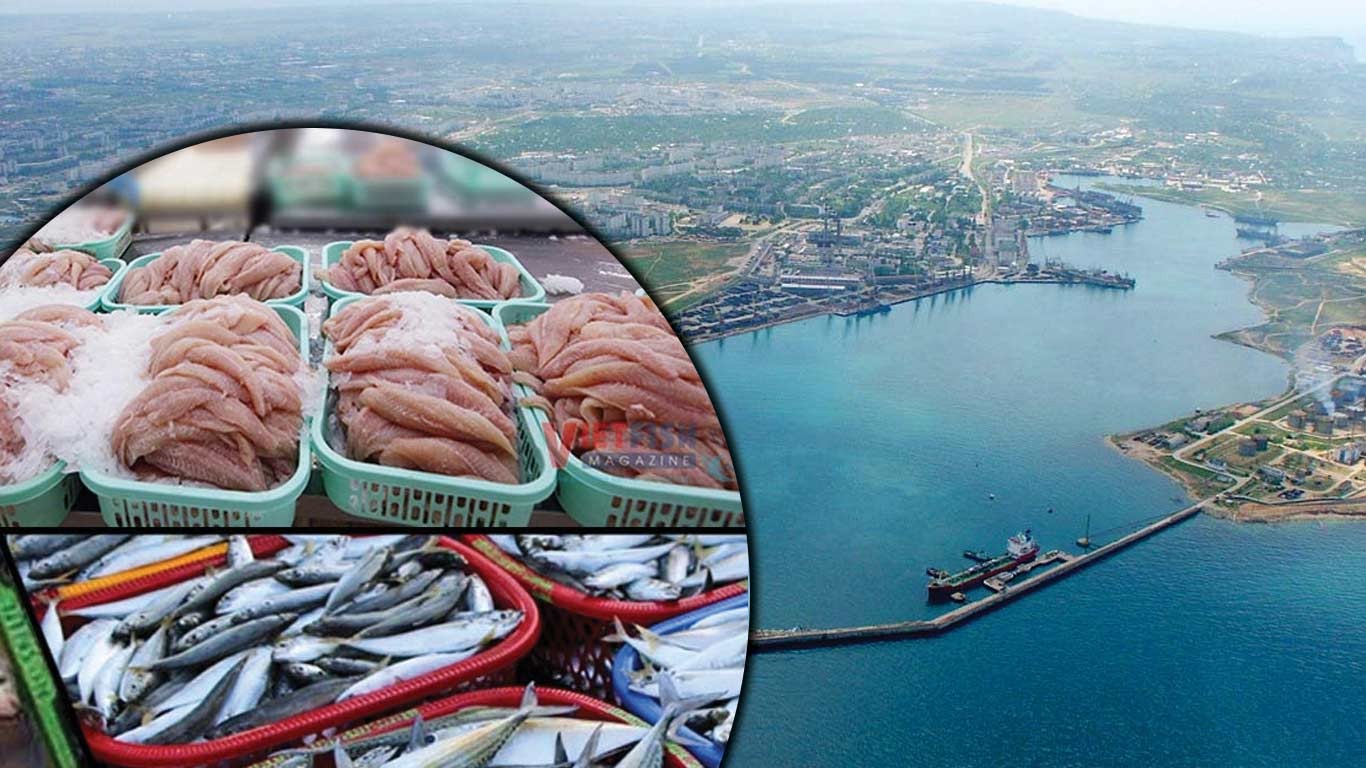
Visakhapatnam Port has reinforced its status as India's premier marine export gateway, handling a major share of the nation's seafood shipments. Backed by advanced cold-chain logistics, strict MPEDA quality frameworks, and regional aquaculture strength, the port drives significant national export growth.
Visakhapatnam Port has cemented its status as India's premier marine export gateway, handling a major share of the nation's total seafood shipments.
VISAKHAPATNAM — Solidifying its position as a vital economic engine for the region, the state-run Visakhapatnam Port has emerged as India's leading marine export hub. According to official data released by the Marine Products Export Development Authority (MPEDA) and communicated to Parliament, the port handled a substantial portion of the country's multi-billion-dollar seafood export volume. Driven by proximity to a robust aquaculture belt in Andhra Pradesh and state-of-the-art cold-chain logistics, the facility processes hundreds of thousands of metric tonnes of marine cargo annually, serving as the principal lifeline for international shipments.
Infrastructure and Supply Chain Strength
According to port management disclosures, Visakhapatnam Port's dominance in marine logistics relies heavily on an integrated ecosystem of modern cold-storage facilities, specialized processing plants, and efficient reefer container terminals. The seamless integration of local aquaculture farms—particularly intensive production hubs focusing on vannamei shrimp—allows for minimal transit times from harvest to export.
Furthermore, the adoption of advanced digital customs documentation, mechanized loading systems, and the National Traceability Framework has enabled exporters to maintain strict compliance with stringent international food safety standards required by overseas buyers in major markets such as the European Union, Southeast Asia, and China.
Official Sources and Regulatory Statements
Information regarding the port's trade volumes and national rankings was verified through official filings and statements from trade authorities.
"Visakhapatnam Port's leading role in seafood logistics is supported by a strong ecosystem of exporters, hatcheries, processing plants, and state-of-the-art cold chain infrastructure, making it the backbone of India's seafood trade," stated Visakhapatnam Port Authority Chairman Dr. Madhaiyaan Angamuthu.
Additionally, Visakhapatnam Port Deputy Chairperson Roshni A. Korati noted that the port continues to maintain its top-tier rank due to resilient regional supply chains and expanding global demand for processed marine commodities.
Why It Matters
The stellar performance of Visakhapatnam Port has profound practical implications for regional employment, local aquaculture farmers, and national export revenues. By ensuring efficient, low-loss transit for perishable goods, the port safeguards the livelihoods of thousands of fish farmers and processing workers across Andhra Pradesh while bolstering India's foreign exchange reserves through high-value agricultural and marine trade.
Key Facts at a Glance
Gateway: Visakhapatnam Port (Vizag Port), Andhra Pradesh
Sector: Marine and seafood export logistics
Key Commodities: Frozen shrimp, frozen fish, and processed squid
Regulatory Body: Marine Products Export Development Authority (MPEDA)
Frequently Asked Questions
What role does Visakhapatnam Port play in India's seafood trade?
It serves as India's leading marine export gateway, handling a major percentage of the nation's total seafood shipments.
Which products form the bulk of exports through the port?
Frozen shrimp remains the dominant commodity, alongside frozen fish and squid.
Who oversees the quality standards of these seafood exports?
Export compliance and food safety standards are strictly monitored under the supervision of the Marine Products Export Development Authority (MPEDA).
What factors contribute to the port's export success?
Proximity to local aquaculture farms, advanced cold-chain infrastructure, and streamlined digital customs processes drive its high efficiency.
Source: