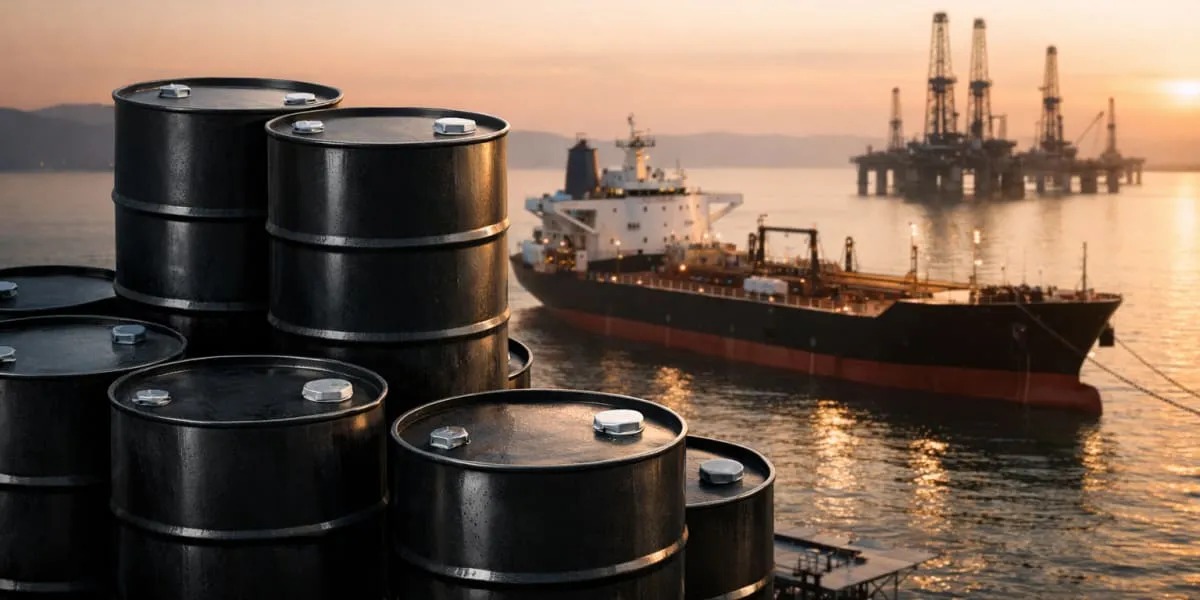
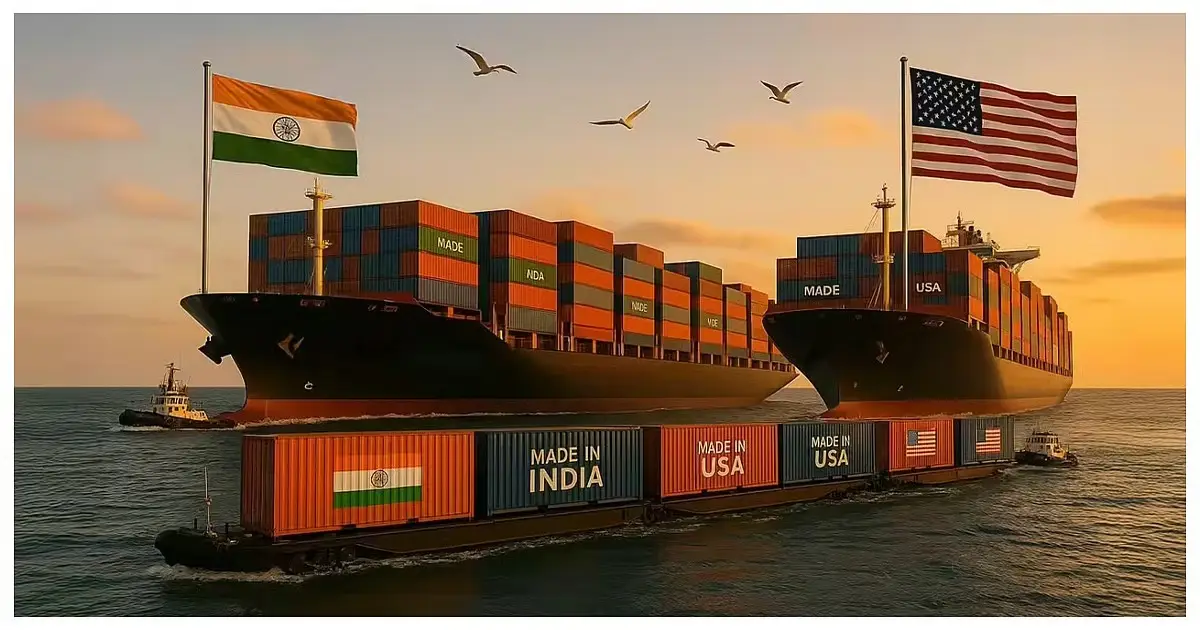
Global oil importers are permanently adapting to extended maritime trade routes as security disruptions reshape energy logistics. By adjusting fleet utilization, increasing inventory buffers, and absorbing higher baseline freight costs, refiners ensure steady crude supplies across major international markets despite longer voyage times.
Global oil importers are permanently adapting to extended maritime trade routes and altered shipping dynamics as geopolitical disruptions reshape energy logistics.
Energy markets and petroleum importing nations are fundamentally restructuring their supply chains to accommodate permanently longer trade routes. According to commodity analysts and shipping industry reports released in September 2026, routing shifts triggered by ongoing security constraints around the Red Sea and Middle Eastern chokepoints have forced tankers to bypass traditional shortcuts in favor of longer voyages around the Cape of Good Hope. Rather than treating these maritime deviations as temporary anomalies, major refining hubs and national importers are integrating extended transit timelines into their standard operational models.
Fleet Dynamics and Structural Shipping Adjustments
The shift toward ultra-long-haul oil shipping has placed unprecedented demands on global tanker fleets. When vessels are diverted around the southern tip of Africa, voyage durations expand by weeks, effectively removing active shipping capacity from the market even as total cargo volumes remain steady.
According to maritime intelligence agencies and tanker tracking data, shipowners have responded by accelerating fleet utilization, adjusting charter rates, and ordering long-range carriers capable of maintaining efficient speeds over extended distances. This structural adaptation ensures that crude and refined products continue flowing to key Asian and European markets, albeit at a permanently higher baseline cost for maritime freight and insurance.
Economic Impact on Refiners and Consumers
For oil refiners and end-consumer economies, adapting to extended trade routes requires more sophisticated inventory management and higher working capital commitments. Maintaining continuous refinery throughput necessitates larger floating and onshore storage buffers to cushion against potential transit delays.
While global supply chains have successfully absorbed these logistical friction points without causing immediate physical shortages, the cumulative cost of prolonged maritime transit is gradually embedded into landed crude prices. Analysts note that while importing nations have learned to live with these extended transit loops, the structural overhead remains a permanent fixture of modern energy trade.
Official Sources Section
Insights regarding maritime shipping adjustments, tanker logistics, and trade route modifications are derived from global energy reports and market evaluations published by Reuters, the International Energy Agency (IEA), and shipping intelligence analytics from Clarksons Research.
Quote Section
"According to officials and energy market analysts, importing nations and logistics operators have successfully adapted to extended maritime transit loops, establishing a new baseline for global crude shipping efficiency and inventory management."
Why It Matters
The permanence of longer oil trade routes alters how nations plan their strategic petroleum reserves and supply security. For businesses and consumers, absorbed freight costs translate to structurally higher baseline energy expenditures, requiring greater resilience across industrial and transportation sectors.
Key Facts at a Glance
Logistical Shift: Oil tankers routinely bypass regional chokepoints, favoring longer routes around the Cape of Good Hope.
Operational Impact: Extended voyage durations require refiners to maintain larger buffer inventories and higher working capital.
Fleet Adjustments: Global shipping operators have optimized vessel utilization and adjusted charter metrics to manage reduced active capacity.
Market Resilience: Despite higher baseline freight costs, physical oil flows remain steady across major importing economies.
Frequently Asked Questions
Why are oil trade routes becoming longer?
Security constraints and geopolitical tensions around key regional waterways have forced vessels to take longer detours around Africa.
How are refiners handling the extended transit times?
Refineries are adapting by increasing onshore and floating storage buffers to ensure uninterrupted crude feedstocks.
Does this impact consumer fuel prices?
The cumulative cost of extended shipping and insurance adds a permanent baseline premium to landed crude and petroleum products.
Are these route changes considered temporary?
Market participants now treat these longer trade routes as a structural norm rather than a short-term disruption.
Source: Reuters, International Energy Agency (IEA), Clarksons Research