Key Highlights
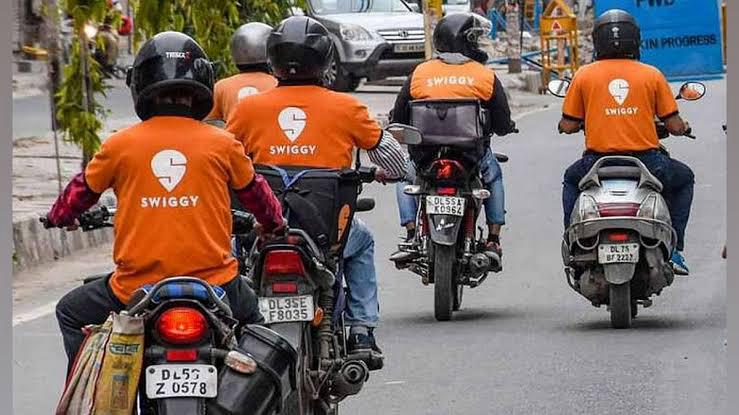
Food delivery platforms like DoorDash, Uber Eats, Zomato, and Swiggy continue to dominate the market but charge hefty commissions ranging from 15% to 30%, significantly cutting into restaurant profit margins
Many independent and small restaurants opera...
Key Highlights
Food delivery platforms like DoorDash, Uber Eats, Zomato, and Swiggy continue to dominate the market but charge hefty commissions ranging from 15% to 30%, significantly cutting into restaurant profit margins
Many independent and small restaurants operate on razor-thin or even negative margins, forced to rely on volume to offset the high costs imposed by delivery aggregators
To combat margin squeeze, restaurants are revisiting traditional strategies like direct orders, menu engineering, upselling, and optimizing labor while exploring hybrid delivery models and technology integration
Regulatory pressures and consumer backlash against inflated prices and hidden fees on delivery apps are prompting platforms to experiment with subscription models and reduced commission structures
The Delivery Platform Challenge
Commission fees on delivery apps often devour up to one-third of restaurant earnings, leaving a narrow margin after accounting for food costs, labor, rent, and overhead
Price markups on delivery menus, combined with surcharges such as bag fees and small order charges, further strain restaurants and provoke customer dissatisfaction
Smaller eateries face the harshest impact due to limited economies of scale and less bargaining power with platforms, increasing the risk of closure or reduced service quality
Reviving Old-School Tactics in a Digital Era
Restaurants emphasize increasing average order value through menu engineering—highlighting high-margin items and eliminating low-profit dishes
Upselling add-ons, combos, and beverages tailored by AI-driven insights help boost revenue without additional traffic
Labor scheduling is optimized via digital tools to reduce overstaffing, particularly during off-peak hours, improving operational cost efficiency
Focus on reducing food waste through inventory monitoring and portion control ensures tighter cost management
Embracing Hybrid and Restaurant-Owned Delivery Models
Many establishments invest in direct delivery channels, either in-house or via white-label logistics providers, cutting dependency on third-party platforms
These models offer benefits such as lower commissions, better brand control, and direct access to customer data for personalized marketing and loyalty programs
Challenges persist around upfront investments in technology, logistics management, and customer outreach efforts to sustain volume and visibility
Technology and Partnerships as New Opportunities
The shift from pure commission-based platforms to Platform-as-a-Service (PaaS) models is underway, offering restaurants tools like POS integration, marketing support, and customer analytics for flat fees or pay-per-use pricing
Companies like Magicpin and Dunzo are pioneering hyperlocal, lower-cost delivery networks that prioritize faster delivery and better economics for restaurants
AI-powered recommendation engines on delivery platforms contribute to upselling success, highlighting the fusion of old strategies with cutting-edge tech
Regulatory and Market Dynamics
Cities such as New York and San Francisco are imposing caps and scrutiny on platform commissions, pressuring delivery giants to soften fees and enhance transparency
Consumer awareness about price inflation on delivery apps fuels demand for fairer pricing models and stricter regulation
Platforms respond by promoting value-driven subscriptions and enhanced service features aimed at sustaining long-term relationships with restaurants and customers
Outlook: Balancing Growth and Profitability
Although food delivery revenue streams are growing rapidly, restaurants must carefully manage costs to maintain viable business models in 2025
Combining technology adoption with proven operational best practices offers a pathway for better margin protection and sustainable scaling
The evolving ecosystem benefits from greater collaboration between platforms, restaurateurs, and regulators to create a balanced marketplace
Sources: Deliverect Blog, AInvest News, Push Operations, GoTenzo Insights