Millions of mourners gathered in Tehran on July 4, 2026, for the state funeral of late Supreme Leader Ayatollah Ali Khamenei. The multi-day ceremony honors the leader, who was killed in February 2026, with processions planned across Iran and Iraq, marking a significant moment in the nation's ongoing geopolitical crisis.
Iran begins a week-long state funeral for Ayatollah Ali Khamenei as the nation marks the death of the leader killed in February airstrikes.
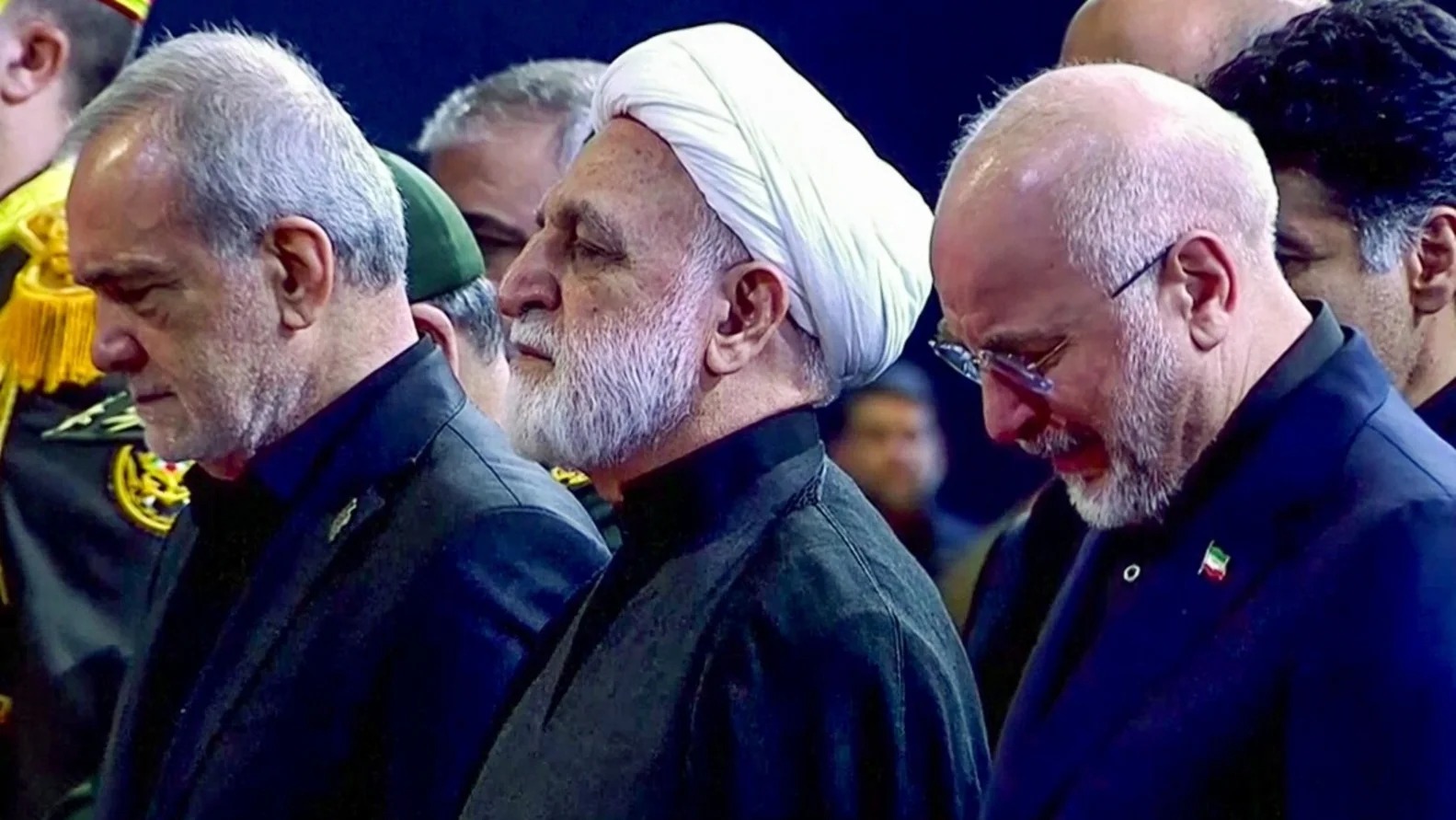
TEHRAN — Millions of mourners converged on the Iranian capital on Saturday, July 4, 2026, as the country commenced a multi-day state funeral for the late Supreme Leader, Ayatollah Ali Khamenei. The procession, which serves as a major focal point for the nation following months of regional conflict, honors the 86-year-old cleric who was killed during a joint U.S.-Israeli airstrike operation on February 28, 2026.
The event, centered at the Imam Khomeini Grand Mosalla in Tehran, sees the remains of the former leader lying in state alongside members of his family who also perished in the attack. The funeral, which organizers expect to draw historic crowds, is set to span several days, with planned processions across Iran and neighboring Iraq before a final burial in Mashhad on July 9.
A Nation in Mourning Amid Conflict
The commencement of the funeral proceedings marks a somber period for the Islamic Republic, which has been in a state of heightened alert since the February airstrikes. According to reports from the Associated Press and state-affiliated media, the city of Tehran has been largely brought to a standstill. Authorities have implemented widespread closures of airspace, streets, and government offices to facilitate the movement of mourners, many of whom traveled from across the country to pay their final respects.
For many in attendance, the gathering is viewed as a display of national solidarity. Banners depicting the late leader are displayed prominently throughout the city, while security forces maintain a heavy presence to manage the massive influx of people.
Historical Significance of the Ceremony
The scale of the mourning rituals is being compared by analysts to the 1989 funeral of Ayatollah Ruhollah Khomeini, the founder of the Islamic Republic. The current atmosphere is charged with a mix of grief and political defiance; some mourners at the Grand Mosalla were heard chanting slogans against the United States and Israel, referencing the ongoing regional war that began shortly after the strike that killed the former leader.
The official mourning period, initially declared by the Iranian Supreme National Security Council in early March, continues to dominate the domestic agenda. The transition of power, which saw the late leader’s son, Mojtaba Khamenei, succeed him as Supreme Leader in March, remains a pivotal point in the country's governance structure amid the geopolitical instability.
Impact on Regional Stability
The death of Ayatollah Ali Khamenei and the subsequent days of funeral proceedings come at a time of extreme volatility in West Asia. Diplomatic representatives from various nations and allies have traveled to Tehran to offer condolences. According to reports by The Hindu and other international outlets, dignitaries, including high-ranking officials from regional partners, have been seen paying their respects at the Grand Mosalla, signaling the continued importance of Iran’s role in regional military and political alliances.
The government continues to warn neighboring states and international actors to "avoid any miscalculation" during the mourning period. Meanwhile, the military remains on high alert, with joint military commands warning that any aggression during these ceremonies would be met with a decisive response.
Key Facts at a Glance
Event: Multi-day state funeral for late Supreme Leader Ayatollah Ali Khamenei.
Timeline: Funeral proceedings began July 4, 2026, and conclude in Mashhad on July 9, 2026.
Casualties: The late Supreme Leader was killed alongside family members during airstrikes on February 28, 2026.
Succession: Mojtaba Khamenei was elected as the new Supreme Leader by the Assembly of Experts on March 8, 2026.
Security: Tehran has implemented strict security measures, including airspace closures and traffic restrictions, for the duration of the ceremonies.
FAQ
Why is the funeral taking place in July if the leader died in February?
While the leader was killed on February 28, 2026, the formal state funeral proceedings—spanning both Iran and Iraq—were scheduled to take place over these dates in July to coincide with a broader period of national commemoration and regional diplomatic activities.
Who is the current leader of Iran?
Following the death of Ali Khamenei, his son, Mojtaba Khamenei, was elected as the new Supreme Leader of Iran by the Assembly of Experts on March 8, 2026.
Where will the late Supreme Leader be buried?
According to official funeral arrangements, the final burial is scheduled to take place at the Imam Reza shrine in Mashhad on July 9, 2026.
Are international leaders attending the funeral?
Yes, various international delegates and representatives from allied nations have traveled to Tehran to participate in the farewell ceremonies and pay their respects.
Source: The Hindu, Associated Press, PBS NewsHour, BBC News, Wikipedia - Assassination of Ali Khamenei