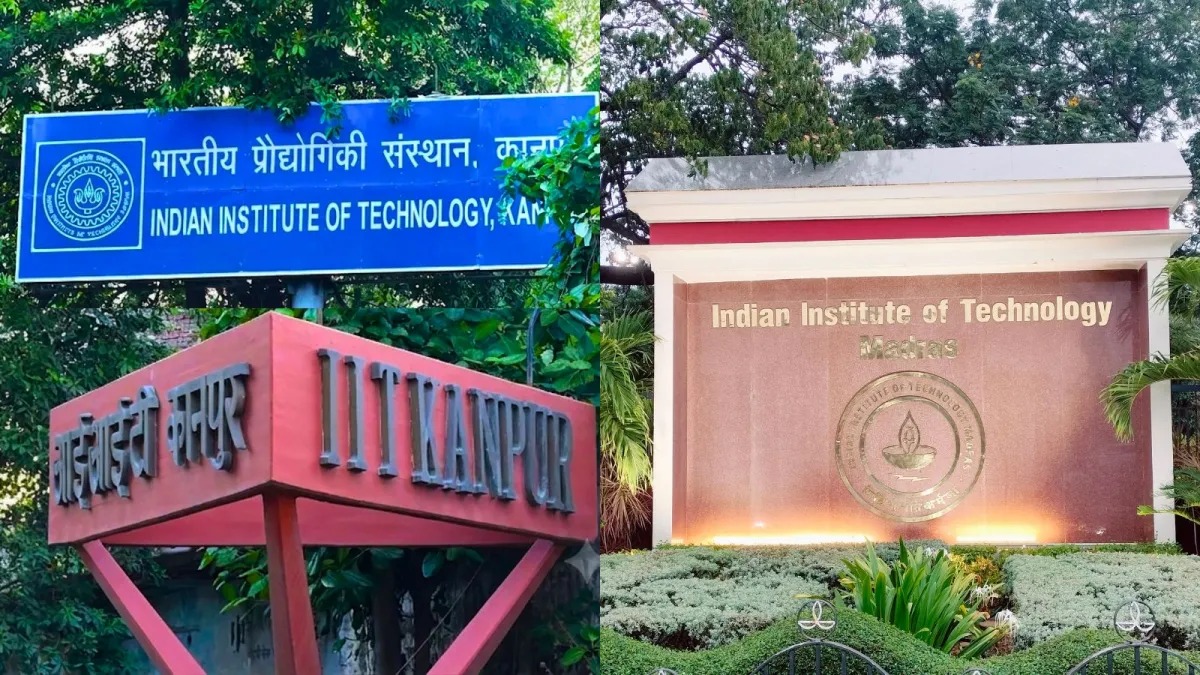
IIT Madras and IIT Kanpur have launched India's first practice-oriented Bachelor of Cybersecurity (B. Cyber.) degree for the 2026-27 academic year. The four-year programme addresses a 1.5-million-professional shortage by combining two years of intensive lab training with two years of live field deployment in critical security sectors.
The new four-year B. Cyber. programme integrates intensive classroom learning with two years of live field deployment to address India’s critical shortage of security professionals.
CHENNAI/KANPUR — In a landmark move to fortify India's digital defense ecosystem, the Indian Institute of Technology (IIT) Madras and IIT Kanpur have jointly launched the nation’s first practice-oriented Bachelor of Cybersecurity (B. Cyber.) programme. The four-year undergraduate course, debuting in the 2026-27 academic session, aims to bridge the gap between academic theory and the urgent industrial demand for specialized cybersecurity experts.
The initiative comes as India grapples with a significant workforce shortage in its digital infrastructure sector. According to industry estimates cited by the institutes, the country currently faces a shortfall of nearly 1.5 million cybersecurity professionals. This programme is designed to prepare students to protect strategic sectors, including finance, healthcare, transportation, telecommunications, manufacturing, and national defense.
A New Model for Technical Education
Unlike traditional engineering curricula, the Bachelor of Cybersecurity adopts a competency-based model that prioritizes hands-on experience. The programme is structured into two distinct phases: two years of rigorous laboratory-intensive training in foundational and advanced computer systems, followed by a two-year "Field Deployment Professional Project."
During the final four semesters, students will work on live cybersecurity projects under the mentorship of experts from strategic and critical organizations. This model ensures that graduates enter the workforce with substantial practical experience, transitioning from classroom simulations to real-world threat mitigation and infrastructure protection.
"Cybersecurity has become fundamental to India’s technological sovereignty and national security," said IIT Madras Director Prof. V. Kamakoti. "Building a resilient cyber ecosystem requires professionals who possess not only strong theoretical foundations but also extensive hands-on experience in defending complex systems."
Admissions and Curriculum
For the inaugural 2026-27 batch, IIT Madras and IIT Kanpur are conducting a joint selection process. While admissions are centralized, the two institutes will operate their respective programmes independently, with students receiving degrees from the institute they ultimately join.
The core curriculum covers critical domains such as:
Security Operations and Ethical Hacking
Vulnerability Assessment and Penetration Testing
Malware Analysis and Firmware Reverse Engineering
Cloud and Hardware Security
Applied Cryptography and Digital Forensics
The selection process for the current cycle utilizes an existing shortlist, followed by an in-person hackathon to assess technical aptitude and problem-solving skills in a live environment.
Impact on the Cyber Ecosystem
This collaboration marks a significant shift in higher education, moving cybersecurity from a specialized elective to a core undergraduate discipline. For businesses and government bodies, the programme promises a pipeline of "cyber warriors" capable of responding to sophisticated digital threats. For students, the initiative offers an accelerated pathway into high-stakes roles in cyber defense and security operations centers.
Key Facts at a Glance
Programme Duration: Four years, with a heavy emphasis on practical laboratory and field work.
Field Deployment: A unique, mandatory two-year project component where students work on live cybersecurity assignments.
Professional Need: The programme aims to mitigate the national shortage of approximately 1.5 million cybersecurity professionals.
Admission Process: Conducted jointly by IIT Madras and IIT Kanpur, featuring a technical hackathon as a key selection stage.
FAQ
What is the 'Field Deployment' component?
It is a mandatory two-year internship-style phase in the final four semesters where students work on live cybersecurity projects for strategic government and industry organizations.
Do I need a JEE score for this programme?
For the current 2026-27 intake, the institutes are using a joint selection process based on a shortlist and a specialized hackathon rather than standard JEE Advanced rankings.
Will I get a joint degree?
No. While the selection process is joint, IIT Madras and IIT Kanpur will deliver the curriculum independently and award their own separate degrees to students.
Official Sources