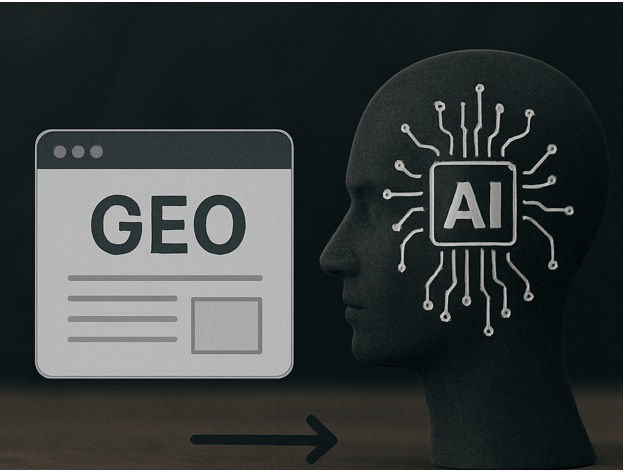
Generative Engine Optimization (GEO) is the emerging practice of structuring digital content to be easily discoverable and referenced by AI-powered search engines. Unlike traditional SEO, which drives clicks via rankings, GEO focuses on securing brand visibility and authority within direct, AI-generated answers, making it essential for the future of digital search.
As AI-powered search becomes the new standard, brands are shifting strategies from traditional rankings to securing visibility within AI-generated responses.
NEW DELHI — The digital landscape is undergoing a fundamental transformation as artificial intelligence redefines how users discover information. With platforms like Google’s AI Overviews, Perplexity, and ChatGPT becoming primary gateways for knowledge, a new discipline has emerged: Generative Engine Optimization (GEO). Unlike traditional Search Engine Optimization (SEO), which focuses on driving clicks to websites through blue-link rankings, GEO is the practice of ensuring a brand or entity is cited, summarized, or directly recommended within AI-generated answers.
The shift signifies a move toward "agentic search," where users often receive comprehensive summaries without needing to navigate away from the search interface. For businesses and creators, this evolution means that being the source of truth for an AI model is becoming as critical as ranking on a traditional search engine results page (SERP).
The Evolution from SEO to GEO
While traditional SEO is built on the mechanics of crawling, indexing, and ranking web pages based on keywords and backlinks, GEO focuses on making content "machine-readable" and trustworthy for Large Language Models (LLMs). According to industry experts, the two practices are complementary rather than mutually exclusive; a strong foundation in high-quality, authoritative content—the hallmark of good SEO—remains the bedrock of effective GEO.
"Optimizing for generative AI search is essentially optimizing for the search experience," notes guidance from industry analysts. While SEO aims to win a position on a page, GEO aims to win a place in the conversation. When a user asks an AI assistant a complex question, the model synthesizes information from across the web. GEO tactics ensure that a brand’s insights are the ones selected to fuel those synthesis processes.
How GEO Works in Practice
Generative engine optimization relies on making information easy for AI to extract, summarize, and attribute. Key strategies reported by marketing and technical professionals include:
Entity Clarity: Ensuring a brand or individual exists as a clearly defined entity with consistent signals across the web, including social profiles and third-party mentions.
Structured Data: Utilizing concise, well-formatted paragraphs, lists, and tables that AI systems can easily parse and reuse in quick-answer boxes.
Content Authority: Incorporating original research, statistics, and expert quotes, which are frequently prioritized by AI models as reliable data points for citations.
Conversational Tone: Shifting toward natural, question-based content that aligns with the way users interact with chatbots.
Unlinked Brand Mentions: Monitoring and encouraging brand awareness across various platforms, as AI systems often weigh mentions even when they lack direct hyperlinks.
Why the Shift Matters
The transition is driven by changing user behavior. As AI tools provide direct, multi-modal responses—incorporating text, images, and videos—the number of "zero-click" searches is expected to rise. Analysts predict that by 2026, traditional search traffic may see significant shifts as users increasingly rely on generative interfaces for decision-making.
For businesses, the practical implication is a move toward measuring "AI share of voice" rather than just traffic volume. Companies are beginning to track how often their brand is cited in AI responses and how those mentions influence consumer trust and pipeline engagement.
Key Facts at a Glance
Core Goal: To be cited, summarized, or recommended within AI-generated responses rather than just ranking in organic search results.
Foundational Requirement: Excellent traditional SEO remains necessary, as AI models retrieve information from the same web index as traditional search engines.
Strategic Focus: Prioritizes high-authority content, original statistics, and clear entity definitions that AI can easily "understand" and trust.
Measurement Evolution: Success is increasingly tracked via AI brand mentions and citation probability rather than just traditional click-through rates.
FAQ
Is GEO replacing SEO?
No. GEO complements SEO. While SEO helps your website appear in organic search results, GEO helps your brand appear within the synthesized answers provided by AI assistants.
What is the biggest challenge of GEO?
Unlike traditional search rankings, which are relatively stable, AI visibility can fluctuate as platforms frequently update their models and algorithms, making it a dynamic and constantly evolving field.
How can I start optimizing for GEO?
Start by auditing your content to ensure it answers specific user questions clearly, includes original data or expert quotes, and provides concise summaries that AI can easily pull into a response.
Source: