India has officially lifted emergency natural gas supply controls as Middle East supply chains stabilize. The government order, published July 4, 2026, reverses temporary mandates that prioritized essential sectors during the Strait of Hormuz crisis. Industries now regain normal access, marking a full return to pre-crisis energy distribution standards.
NEW DELHI – The Government of India has officially revoked the emergency natural gas supply controls that were implemented earlier this year in response to severe disruptions in global energy markets. The decision, announced via a government notification on Saturday, July 4, 2026, marks the end of a critical contingency period triggered by the regional conflict in the Middle East.
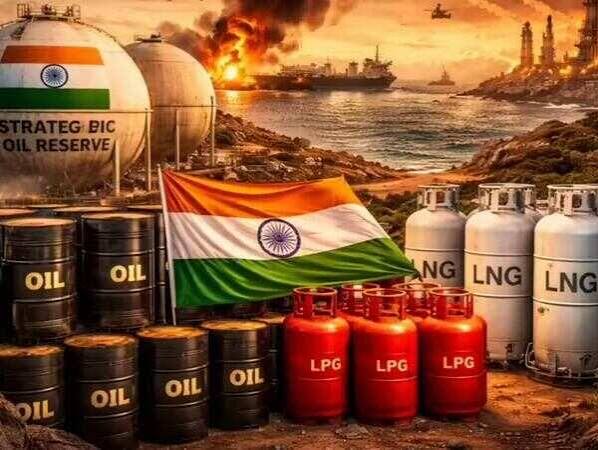
The withdrawal of these measures follows the easing of geopolitical tensions and the subsequent resumption of maritime traffic through the Strait of Hormuz. For months, the waterway—a vital artery for global energy—had been severely restricted, causing significant delays and the invocation of force majeure clauses by international LNG suppliers.
Background: A Response to Energy Security Risks
In March 2026, as the conflict escalated, the Indian government enacted the Natural Gas (Supply Regulation) Order, 2026, under the provisions of the Essential Commodities Act, 1955. The emergency order was designed to protect India’s energy security by prioritizing the allocation of natural gas to essential sectors, including household cooking gas, fertilizer production, and Compressed Natural Gas (CNG) transport.
To manage the shortfall, the government mandated a diversion of gas supplies, forcing lower-priority industrial sectors to reduce their consumption levels. This triage approach was essential to maintain public services and prevent systemic energy shortages during the four-month period of extreme volatility.
Regulatory Shift: Amendment Order 2026
The latest notification, titled the Natural Gas (Supply Regulation) (Amendment) Order, 2026, confirms that the government has formally repealed the earlier restrictions. According to official sources, the decision was made after a careful assessment of international supply chains, which have shown signs of consistent stabilization since an interim diplomatic accord was reached between key regional powers in late June.
"The conflict has since been subject to a ceasefire, negotiations are ongoing, and sea traffic through the Strait of Hormuz has been permitted to resume," the government stated in its notification. The removal of these controls comes into force immediately upon publication in the Official Gazette.
Impact on Industrial Operations and Markets
The restoration of normal supply chains is expected to provide immediate relief to industries that had been operating under restricted quotas for the past several months. Manufacturers in sectors such as petrochemicals, ceramics, and heavy manufacturing many of which had been forced to rely on diverted or limited supplies will now be able to resume standard production levels.
For investors and analysts, this move serves as a barometer for broader economic recovery. While the government maintains a posture of "cautious optimism," the lifting of these controls signals a return to a market-driven distribution model for natural gas, reducing the regulatory burden on private and public energy distributors alike.
Key Facts at a Glance
Emergency Orders Lifted: The Natural Gas (Supply Regulation) (Amendment) Order, 2026 removes the emergency mandates imposed in March 2026.
Conflict Context: The initial controls were necessitated by the blockage of the Strait of Hormuz, which accounts for a significant portion of global LNG transit.
Normalization of Supply: Resumed maritime traffic and stable diplomatic conditions in the Middle East have allowed for the full restoration of gas distribution to non-priority industrial sectors.
Legislative Framework: The measures were governed under the Essential Commodities Act, 1955, which provides the legal basis for the government to manage critical resources during national crises.
FAQ
What does the lifting of these controls mean for consumers?
Household consumers should see no change, as the government maintained priority supply for residential needs even during the height of the crisis. The change primarily benefits industrial and commercial users who were previously subject to rationing.
Was this the final step in normalizing energy policy?
Yes. This follows the late-June decision to lift restrictions on commercial Liquefied Petroleum Gas (LPG) and the broader stabilization of fuel supply chains across the country.
Why was the Strait of Hormuz so critical to India?
The strait is the world’s most important oil and gas chokepoint. Any disruption there impacts global LNG prices and threatens the security of energy-importing nations like India, which relies on the region for a significant share of its total gas imports.
Source: