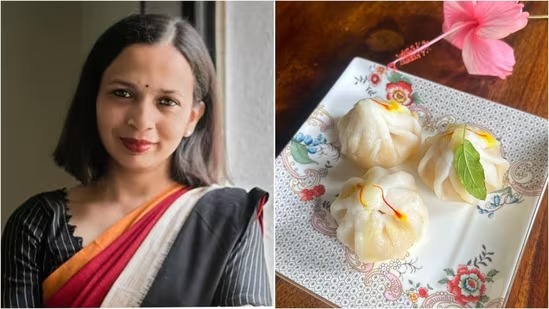
As Ganesh Chaturthi celebrations sweep across India, the spotlight has turned to the festival’s most beloved sweet—modak. While many health-conscious individuals scramble to reinvent the traditional treat with trendy substitutes like stevia, ragi, or moringa, celebrity nutritionist Ru...
As Ganesh Chaturthi celebrations sweep across India, the spotlight has turned to the festival’s most beloved sweet—modak. While many health-conscious individuals scramble to reinvent the traditional treat with trendy substitutes like stevia, ragi, or moringa, celebrity nutritionist Rujuta Diwekar has stepped in with a clear message: modaks are already healthy, and they don’t need a makeover.
Known for her advocacy of traditional Indian food wisdom, Diwekar’s latest Instagram post and video have sparked a conversation around food guilt, cultural preservation, and the dangers of diet fads. Her advice is simple yet powerful—don’t rethink the modak, rethink the narrative that festive foods are harmful.
Why Modaks Don’t Need Reinventing
Diwekar’s argument rests on the nutritional integrity of the original modak recipe, which includes jaggery, coconut, rice flour, and ghee. These ingredients, she says, are not just culturally significant but also nutritionally sound.
Key points from her statement:
- Jaggery is rich in iron and minerals, making it a healthier alternative to refined sugar
- Coconut provides good fats and fiber, supporting digestion and satiety
- Rice flour is light and easy to digest, especially when steamed
- Ghee adds nourishment and enhances absorption of fat-soluble vitamins
She cautions against replacing jaggery with stevia or mixing coconut with cocoa chips and moringa, noting that such swaps often result in higher costs and compromised taste. Her verdict on these modern versions is blunt—they only get pricier and yucky.
Cultural Significance of Modaks
Beyond nutrition, Diwekar emphasizes the symbolic and emotional value of modaks. As prasad offered to Lord Ganesha, modaks are deeply rooted in tradition and ritual. Families often prepare them in specific numbers like 11 or 21, passing down recipes and techniques through generations.
Highlights from her video message:
- Modaks represent cultural continuity and familial bonding
- Eating modaks during Ganesh Chaturthi is a once-a-year ritual, not a daily indulgence
- Homemade modaks carry emotional and spiritual significance that cannot be replicated by store-bought versions
She urges people to embrace the full experience of the festival, including its culinary traditions, without guilt or hesitation.
The Food Guilt Trap
Diwekar’s post also addresses a growing trend of food guilt, especially during festivals. Many people hesitate to enjoy traditional sweets, fearing they’ll derail their health goals. Diwekar challenges this mindset, arguing that occasional indulgence in culturally rooted foods is not only harmless but essential to a balanced life.
Key takeaways:
- Food guilt during festivals undermines joy and tradition
- Traditional sweets like modaks are not the same as processed, everyday indulgences
- Mindful eating and moderation are more effective than restrictive substitutions
She calls for a shift in narrative—from fear-based dieting to celebration-based nourishment.
Public Response and Broader Impact
Diwekar’s message has resonated widely, with netizens applauding her for defending tradition and calling out diet culture. Her post has sparked renewed appreciation for homemade modaks and encouraged people to reconnect with their culinary heritage.
Broader implications:
- Reinforces the value of traditional Indian food wisdom in modern nutrition
- Challenges the dominance of Western diet trends in Indian wellness discourse
- Encourages sustainable, culturally relevant eating practices
As Ganesh Chaturthi continues, Diwekar’s voice serves as a reminder that health and heritage can coexist—and that sometimes, the best choice is the one your grandmother made.
Sources: Hindustan Times, NDTV, Times of India