India’s groundwater crisis is worsening as urban concretization prevents monsoon rains from recharging aquifers. Despite sufficient rainfall, rapid development and excessive agricultural extraction have led to plummeting water tables and contamination, forcing cities to implement strict usage bans and driving up the cost of water for residents and businesses.
As urban concrete expansion hinders natural absorption, India faces a critical depletion of vital aquifers despite annual monsoon rainfall.
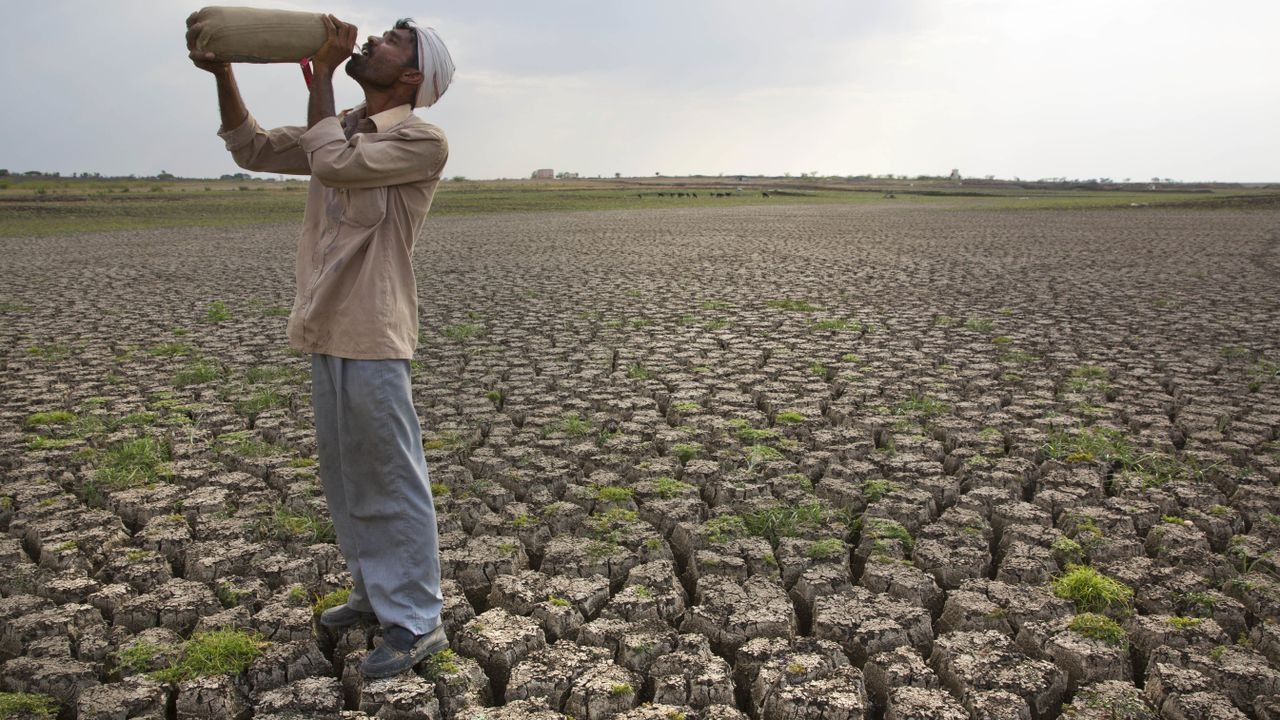
NEW DELHI — India is grappling with a paradoxical water crisis where, despite consistent annual rainfall, groundwater levels are plummeting across the country. According to recent data from the Central Ground Water Board (CGWB), rapid urbanization and infrastructure expansion have transformed natural land into impermeable concrete, preventing rainwater from recharging vital aquifers and leading to severe water stress in major metropolitan areas.
The crisis has reached a tipping point in 2026, with cities including Bengaluru, Delhi, and Visakhapatnam reporting significant drops in water tables. Experts warn that the reliance on aggressive extraction to compensate for inconsistent surface water supply has created an unsustainable cycle, further exacerbated by the failure to capture monsoon runoff.
Concrete Landscapes vs. Natural Recharge
The fundamental cause of this decline, as identified in the latest CGWB findings, is the "concretization" of urban landscapes. In cities like Visakhapatnam, built-up areas have surged by over 130% in the last decade, replacing permeable soil with asphalt and concrete. This structural change prevents monsoon water from seeping into the ground, instead funneling it into stormwater drains and eventually into the sea.
"When natural recharge areas like lakes, wetlands, and open spaces are covered, rainwater becomes surface runoff that overwhelms drainage systems," officials noted in a recent assessment. This failure to retain water leads to a dual crisis: localized flooding during the monsoon followed by acute water scarcity during the summer months.
The Impact of Irrigation and Extraction
Beyond urban centers, the agricultural sector remains the largest consumer of groundwater, accounting for approximately 85% of total extraction. Decades of heavy reliance on borewells, incentivized by subsidized electricity, have pushed extraction rates beyond sustainable limits in states such as Punjab, Haryana, and Rajasthan, where withdrawal often exceeds 100% of the available recharge.
The consequences are stark. In many regions, the water table is dropping by as much as one meter annually. This depletion is not merely a supply issue; it has led to the contamination of remaining reserves. The CGWB reports that nearly one-fifth of tested groundwater samples across 440 districts show hazardous levels of arsenic, fluoride, and nitrates, rendering the water increasingly unsafe for consumption.
Economic and Social Consequences
For citizens, the decline in groundwater has fueled a rise in the "tanker economy," where households—particularly in lower-income areas—are forced to pay premium prices for water delivery. Businesses are also facing operational disruptions, with the Brihanmumbai Municipal Corporation and other municipal bodies recently mandating supply cuts to industrial and commercial establishments to preserve dwindling stocks.
The situation is forcing a policy shift toward stricter conservation. The Bangalore Water Supply and Sewerage Board (BWSSB) recently implemented bans on using drinking water for non-essential purposes, such as car washing and construction, as reservoirs remain at critically low capacities.
Key Facts at a Glance
Declining Reserves: Groundwater levels in several urban regions are falling by up to 1.2 meters annually, even during periods of stable rainfall.
High Extraction: India remains the world's largest groundwater extractor, using approximately 247 billion cubic meters (bcm) annually.
Infrastructure Barriers: Urban built-up areas have increased significantly, blocking natural recharge pathways and converting essential monsoon rain into wasted runoff.
Contamination Risks: Nearly 20% of groundwater samples across 440 districts exceed safe limits for arsenic, fluoride, and nitrate.
Frequently Asked Questions (FAQ)
Why does groundwater continue to decline if India receives heavy monsoon rain?
The decline is largely due to the loss of permeable soil in urban areas, which prevents rainwater from percolating into the ground, and excessive, unregulated extraction for agriculture and industry.
What measures are being taken to combat this decline?
Government agencies are promoting managed aquifer recharge, rainwater harvesting, and the reuse of treated wastewater. Additionally, some cities have introduced strict bans on the non-essential use of potable water.
Is the groundwater contamination reversible?
In many cases, contamination from pollutants like arsenic and fluoride is often irreversible or extremely costly to treat, making the protection of existing clean aquifers a priority.
Source: Central Ground Water Board (CGWB), Bangalore Water Supply and Sewerage Board (BWSSB), Ministry of Jal Shakti
Summary