Indian dairy major Mother Dairy has introduced 100% recyclable single-layer polymer pouches for its liquid milk distribution network. The cooperative aims to absorb the packaging costs internally through regulatory savings under extended producer responsibility mandates, protecting household consumers from immediate retail milk price increases while advancing national sustainability goals.
NEW DELHI — India’s major milk distributor, Mother Dairy, has initiated a comprehensive structural transition toward using 100% recyclable packaging across its expansive liquid milk distribution portfolio. The cooperative's strategic environmental shift aims to phase out conventional multi-layered plastic films in favor of advanced, single-layer low-density polyethylene (LDPE) alternatives.
The nationwide rollout comes at a critical operational juncture for the domestic dairy processing landscape, as agricultural logistics firms attempt to balance mandatory corporate extended producer responsibility (EPR) targets against tightening raw milk procurement prices and high packaging supply chain costs.
Technical Specifications of the Recyclable Packaging Transition
According to administrative blueprints released by the company's sustainable packaging division, the new structural matrix utilizes an advanced mono-material polyolefin structure. Traditional commercial milk pouches historically relied on multi-layered co-extruded films containing a mix of incompatible polymers to preserve shelf life and provide light-barrier protections. While structurally effective, these multi-layer variants are notoriously difficult for municipal waste systems to chemically separate and recycle.
The newly deployed single-layer structural films have been mechanically engineered to withstand the rigorous automated high-speed form-fill-seal (FFS) pasteurization lines without tearing. Company engineers confirmed that the materials conform fully with the updated regulatory standards set by the Central Pollution Control Board (CPCB). This shift ensures the plastic can be collected, melted down, and processed directly back into industrial pellets without contaminating local plastic recycling streams.
Potential Impact on Consumer Milk Prices and Processing Overhead
The core economic question surrounding the sustainable rollout centers on whether the packaging modification will eventually impact consumer milk prices at the retail booth level. Historically, shifting to specialized eco-friendly polymers adds an immediate premium to raw manufacturing overhead. Processing firms frequently operate on razor-thin net margins, often hovering between 2% and 4% for highly perishable liquid milk categories.
Dairy industry financial analysts point out that while the initial acquisition of high-performance mono-material films carries a higher per-metric-ton procurement cost, the long-term investment helps insulate Mother Dairy from severe regulatory financial penalties under India’s Plastic Waste Management Rules.
By eliminating the heavy compliance fees associated with offsetting non-recyclable multi-layered plastics, the cooperative aims to absorb the structural packaging inflation internally. This strategy helps prevent immediate retail price hikes for urban household consumers who rely on daily pouch deliveries.
Supply Chain Realignment and Waste Management Collection Networks
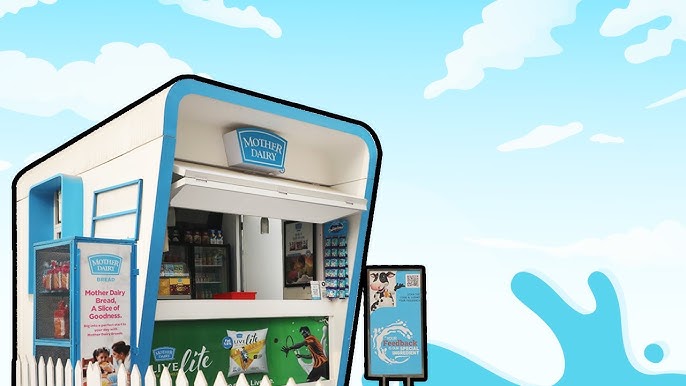
To ensure the new recyclable films are collected efficiently, Mother Dairy has expanded its localized corporate social responsibility (CSR) collection partnerships with scrap-dealer networks and municipal waste agencies across the National Capital Region (NCR). The cooperative is leveraging its thousands of dedicated neighborhood milk booths to serve as community collection points where consumers can return cleaned, used plastic pouches.
The logistics restructuring directly affects independent dairy farmers and regional collection centers. Cooperative processing federations are actively modifying their local collection center schedules to handle the separate delivery of packaging materials alongside raw milk tanker arrivals. This adjustment is part of a broader industry push to build a circular economic model within the domestic consumer goods landscape.
Official Sources Section
The operational data, regulatory compliance frameworks, and packaging material specifications are based on official sustainability declarations archived by Mother Dairy Fruit & Vegetable Private Limited. Additional baseline environmental directives and plastic waste tracking guidelines have been cross-verified against corporate mandate archives published by the Central Pollution Control Board (CPCB) and the Ministry of Environment, Forest and Climate Change.
Quote Section
"According to officials managing corporate sustainability initiatives, the long-term viability of the consumer dairy supply chain depends heavily on removing non-recyclable plastics from our daily operations," stated senior packaging development managers during an industry review panel. "Organizers stated that while shifting to single-layer polymer films introduces technical manufacturing challenges on the assembly lines, protecting urban waste streams from flexible plastic contamination remains a core operational priority that must be addressed without passing heavy cost burdens down to daily consumers."
Why It Matters
For millions of middle-class families, local tea stall vendors, and domestic sweets manufacturers, liquid milk represents a vital daily commodity with highly inelastic demand. Even minor fluctuations in retail prices can alter monthly household food budgets.
Furthermore, if Mother Dairy's green packaging shift proves commercially viable without driving up retail pricing, it will likely set an immediate benchmark for competing brands like Amul, Nandini, and Kwality. Such a shift could catalyze a complete, eco-friendly overhaul of India’s massive flexible packaging industry.
Key Facts at a Glance
Material Strategy: Mother Dairy is transitioning its liquid milk pouch lineup to 100% recyclable single-layer polyolefin films.
Price Outlook: The cooperative aims to offset initial packaging inflation using regulatory savings, helping to protect consumers from immediate retail price increases.
Regulatory Goal: The structural update directly addresses India's stringent extended producer responsibility (EPR) mandates for plastic waste management.
Infrastructure Shift: Community milk booths are being integrated into municipal recycling networks to act as localized plastic return centers.
Target Market: The initial phase of the sustainable rollout is focused on high-volume urban distribution centers across the National Capital Region.
Frequently Asked Questions
Will the new recyclable packaging change the taste or shelf life of the milk?
No. The advanced single-layer polymer films are specifically engineered to provide the same thermal protection and light-barrier characteristics as older designs, ensuring the milk's freshness and taste remain unchanged during transport.
How can ordinary consumers help support Mother Dairy's recycling initiative?
Consumers are encouraged to rinse their empty milk pouches with water, let them dry, and return them directly to their nearest official Mother Dairy booth, where the plastics are gathered for industrial recycling.
Why did dairy companies use non-recyclable multi-layered plastics in the past?
Multi-layered plastics were favored because they bonded different cheap materials together to create an affordable barrier against oxygen and light. However, their complex layered structure made them impossible to process in standard municipal recycling facilities.
Source: Mother Dairy Corporate Sustainability Portal, Central Pollution Control Board (CPCB).