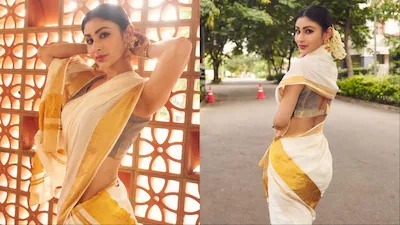
Actor Mouni Roy launched a digital campaign celebrating traditional sarees, putting a spotlight on regional handloom heritage. The fashion showcase aims to bridge the gap between rural weavers and modern consumers, driving market visibility and fresh economic support toward independent textile artisans and sustainable fashion choices.
MUMBAI — Indian television and film actor Mouni Roy launched a curated digital campaign celebrating traditional sarees on June 20, 2026, generating widespread engagement across major social media platforms. The high-profile fashion presentation showcases a series of heritage weaves, explicitly aimed at reviving interest in traditional Indian handloom textiles among younger, urban consumers. By aligning her personal brand with traditional artisanship, the actress is driving immediate market visibility toward regional weaving clusters during a crucial post-summer retail period for domestic textile houses.
Strategic Shift Toward Cultural Authenticity in Fashion
The actress's multi-platform campaign focuses heavily on documenting the complex structural craftsmanship behind regional Indian clothing. According to market analytics compiled by the Ministry of Textiles, high-profile celebrity endorsements serve as a key economic catalyst for revitalizing the decentralized handloom sector, which supports millions of rural weavers across India.
Roy’s curated selection highlights native drapes from West Bengal and Maharashtra, utilizing her global audience to elevate local craft forms into contemporary mainstream fashion trends. Fashion retail experts note that these targeted digital features create direct, measurable shifts in consumer search behaviors, frequently translating into localized e-commerce traffic spikes for independent artisanal co-operatives and heritage clothing labels.
Revitalizing the Domestic Handloom Supply Chain
Beyond personal style, the formal embrace of traditional sarees by major entertainment figures heavily impacts the broader domestic retail supply chain. Financial reports from the National Handloom Development Corporation indicate that celebrity-driven demand patterns help stabilize seasonal income brackets for rural craft communities.
When prominent influencers feature specific weaves—such as Jamdani, Chanderi, or Kanjeevaram—it directly influences commercial inventory orders from major retail chains and boutique distributors alike. This shift reduces the accumulation of unsold stock at the grassroots level, providing a steady influx of working capital back into rural micro-enterprises and ensuring the long-term survival of traditional manufacturing techniques.
Consumer Behavior Shifts and Market Trends
The timing of the actress's digital showcase corresponds with a broader, systemic movement toward sustainable and slow fashion choices among domestic and expatriate buyers. Market data reveals that contemporary consumers are increasingly seeking out garments that offer verifiable traceability, environmental sustainability, and regional cultural equity over mass-produced fast-fashion alternatives.
By framing traditional sarees as a versatile, elegant option for formal, corporate, and casual attire, the campaign successfully expands the addressable market for handwoven apparel. This shift encourages millennial and Gen-Z consumers to invest in durable heritage pieces, directly benefiting small-scale domestic textile enterprises and sustaining valuable cultural practices.
Official Industry Insights
"According to officials tracking regional trade metrics, public showcases by major cultural icons are essential for bridging the gap between rural handloom weavers and modern retail markets. Elevating traditional sarees within the digital ecosystem builds a robust value chain that secures fair wages for independent artisans and keeps specialized weaving traditions alive."
— Handloom Development Council Operational Review
Why It Matters
The mainstream promotion of heritage textile weaves carries multiple practical implications:
Artisan Income Security: Sustained consumer interest ensures consistent manufacturing orders for rural weavers, stabilizing household incomes across artisan clusters.
Preserving Culture: Documenting and popularizing distinct regional weaves helps safeguard ancient craftsmanship techniques from industrial automation.
Sustainable Purchasing: Encouraging consumers to buy handloom products reduces reliance on synthetic materials, moving consumer habits toward eco-friendly textiles.
Key Facts at a Glance
Campaign Focus: Celebrating and promoting traditional sarees and regional handloom craftsmanship.
Key Demographics Targeted: Modern urban consumers, young adults, and international diaspora buyers.
Primary Economic Beneficiaries: Rural textile weavers, independent micro-enterprises, and artisanal co-operatives.
Sector Support: Directly aligns with national initiatives designed to increase market access for domestic handlooms.
Frequently Asked Questions (FAQ)
Q1: How do celebrity campaigns directly assist rural handloom weavers? When public figures feature specific regional textiles, it creates immediate retail demand. This forces commercial clothing brands to purchase inventory directly from rural weaving co-operatives, boosting their local economies.
Q2: What defines a traditional handloom saree compared to factory alternatives? Traditional handloom versions are woven manually on wooden looms by skilled artisans, utilizing natural fibers and historic patterns unique to specific regions, unlike mass-produced synthetic garments made on automated power looms.
Q3: Where can consumers purchase verified authentic regional sarees? Authentic handloom garments can be sourced directly through official government web portals, certified handloom expos, and verified fair-trade retail brands that hold the official "Handloom Mark" certification.
Source: