NalaWatch, an AI-powered urban flood prediction platform developed by Hyderabad students, won first place at NxtWave's "Idea to Impact" hackathon grand finale. Over 250 participants from 15 states built 90 AI prototypes during the 24-hour competition held in Hyderabad, tackling real-world challenges across civic infrastructure, legal services, and healthcare.
HYDERABAD, Aug 4 — NalaWatch, an AI-powered urban flood intelligence platform developed by a cohort of teenage students from Hyderabad, secured first place at the grand finale of NxtWave's "Idea to Impact" hackathon on Tuesday. The 24-hour offline competition, held at the Kapil Kavuri Hub in Nanakramguda, brought together more than 250 participants from over 15 states to build functional minimum viable products (MVPs) centered on artificial intelligence. The victory highlights a growing effort to deploy real-time predictive technology against recurrent municipal challenges, including urban waterlogging and stormwater drain overflows that routinely disrupt major Indian metropolitan centers during the monsoon season.
Predictive Technology Tackles Urban Drainage Challenges
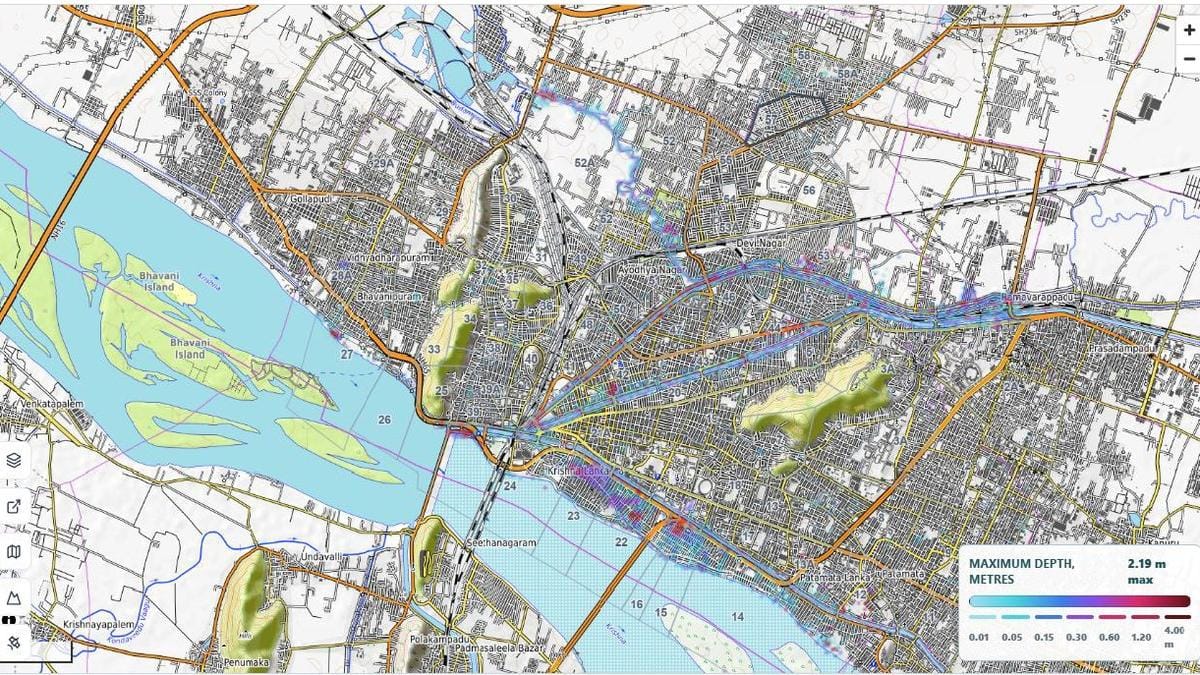
The winning platform, NalaWatch, was engineered to address urban drainage vulnerabilities by predicting real-time waterlogging and monitoring drain overflow risks. Operating on advanced machine learning architecture, the system integrates localized environmental inputs to issue early warnings to municipal authorities and emergency responders before storm runoff inundates low-lying corridors.
By providing predictive lead time, the tool enables civil protection agencies to clear blocked drainage canals, divert vehicular traffic, and deploy emergency pumping units prior to severe flooding events. The platform was evaluated by industry judges for its technical feasibility, scalability, and immediate public utility in climate-vulnerable cities.
National Participation and Multi-Model AI Development
The "Idea to Impact" hackathon represented the culmination of a broader national initiative launched on July 10 by NxtWave, an Indian AI upskilling platform. Following an initial online phase, 250 selected students assembled in Hyderabad to compete across specialized tracks, including public infrastructure, judicial services, healthcare, software automation, and agriculture.
Participants aged 18 to 19 developed 90 distinct minimum viable products during the 24-hour build cycle. Teams utilized a tech stack comprising more than 80 AI tools and open-source models, including Google Gemini 2.5 Flash, IBM-NASA Prithvi-100M, Llama 3.3 70B, Claude, LangChain, FastAPI, Python, and React.
Beyond the top prize awarded to NalaWatch, two other projects received top honors from the ₹1 lakh cumulative prize pool:
Second Place: Project DNA, an AI-powered knowledge management framework designed to construct digital knowledge twins for software engineering teams to accelerate technical onboarding and project documentation.
Third Place: NyayaPriority, an automated judicial case prioritization tool designed to streamline court scheduling for urgent legal matters to reduce case backlogs.
Other notable prototypes produced during the finale included ChainCommand AI for automated supply chain tracking, AgriNova AI for real-time agricultural advisory, and ShelfWise AI for retail inventory risk management.
Official Sources and Governance Statements
Official documentation from the event organizers confirmed that all participating student teams were evaluated on problem identification, model optimization, architectural stability, and real-world deployment potential.
According to official releases from NxtWave, the initiative was structured to transition student learning from theoretical computer science frameworks toward practical, production-ready software development. Representatives from the organization noted that student builders hailed from states including Telangana, Andhra Pradesh, Maharashtra, Karnataka, Tamil Nadu, Gujarat, Odisha, Uttar Pradesh, and Rajasthan.
Executive Commentary
Addressing the finalists at the conclusion of the event in Nanakramguda, leadership emphasized the importance of applied technical education in addressing systemic civic problems.
"The idea behind NxtWave's Idea to Impact hackathon is to create an environment where students learn by building," said Rahul Attuluri, Co-founder and Chief Executive Officer of NxtWave. "This edition brought together over 250 students from 15+ states, who developed 90 AI-powered Minimum Viable Products, demonstrating experiential, AI-native learning. Unlike traditional hackathons that focus only on competition, Idea to Impact encourages students to identify genuine problems, think like innovators, and develop AI-powered solutions."
Why It Matters
Urban flooding remains a persistent operational and economic challenge for rapidly expanding cities across India. Municipal infrastructure often struggles during intense precipitation events, leading to severe economic losses, submerged roadways, and public safety hazards.
The successful demonstration of early-warning platforms like NalaWatch provides municipal corporations and urban planners with scalable options for digital twin infrastructure. Incorporating AI prediction models into municipal response frameworks allows local governments to transition from reactive flood management to proactive hazard mitigation, protecting urban commerce, public transportation networks, and residential communities.
Key Facts at a Glance
First Place Winner: NalaWatch, an AI urban flood intelligence platform created by Hyderabad students to predict drain overflows.
Event Structure: Grand finale of NxtWave's "Idea to Impact" hackathon, held at Kapil Kavuri Hub, Hyderabad, featuring 250+ students from 15+ states.
Output: 90 Minimum Viable Products built during an intensive 24-hour development marathon using over 80 AI models and tools.
Prize and Podium: Teams competed for a ₹1 lakh prize pool; Project DNA (Knowledge Management) placed second, and NyayaPriority (Judicial Management) placed third.
Frequently Asked Questions
What is NalaWatch and how does it work?
NalaWatch is an AI-powered urban flood intelligence platform designed to predict waterlogging and stormwater drain overflows in real time, helping municipal agencies issue early disaster alerts.
Who organized the 'Idea to Impact' Hackathon?
The competition was organized by NxtWave, an Indian AI upskilling platform, as the offline finale to its nationwide online mentorship program.
Where was the hackathon grand finale held?
The 24-hour offline grand finale took place at the Kapil Kavuri Hub in Nanakramguda, Hyderabad.
What tech stack was utilized by the student participants?
Participants built AI applications using tools and models including Google Gemini 2.5 Flash, IBM-NASA Prithvi-100M, Llama 3.3 70B, Claude, LangChain, FastAPI, Python, and React.
Source: Official statements and press releases issued by NxtWave Academy.