




Loading market data...
ADVERTISEMENT

Latest Top News
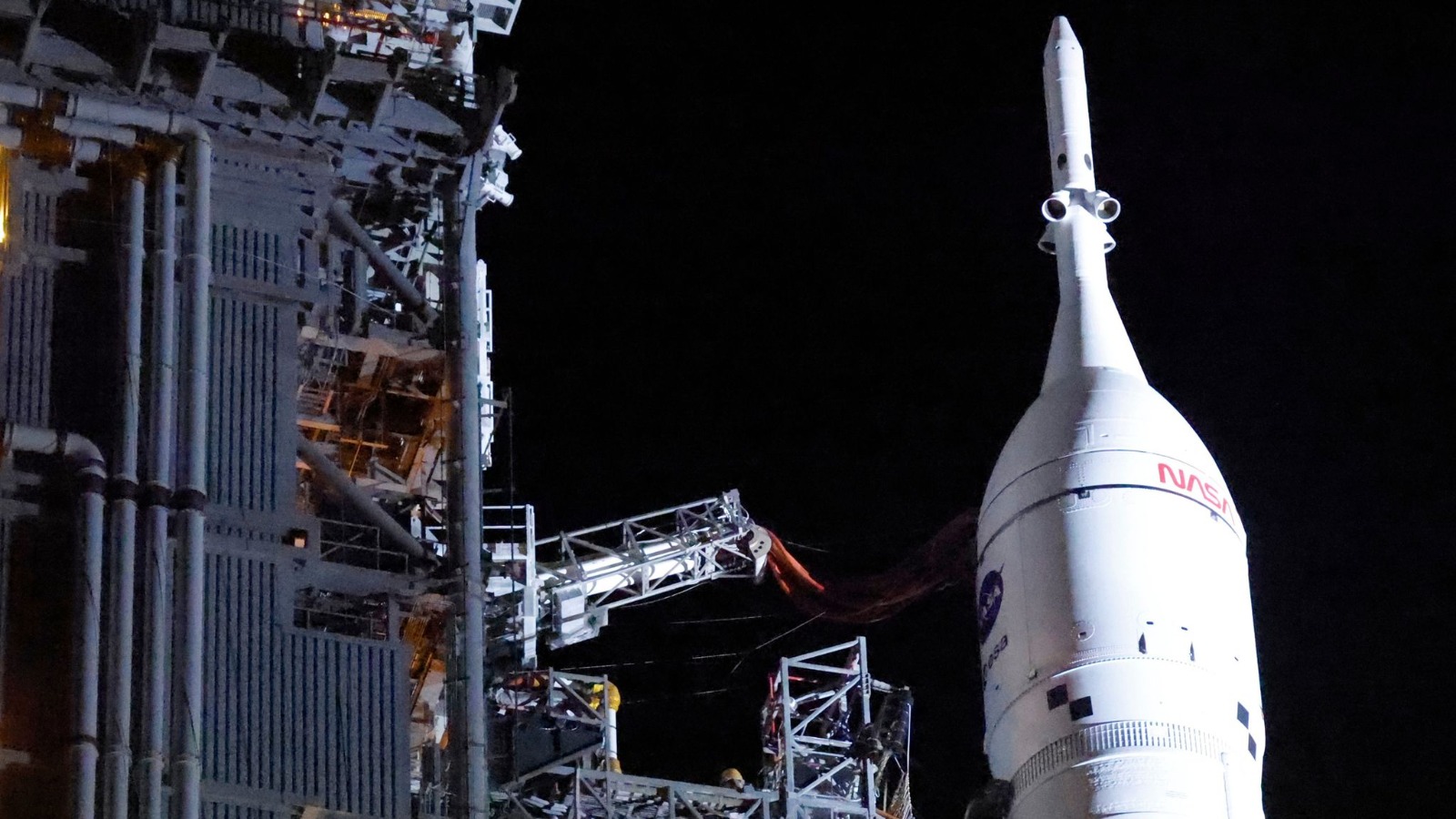
NASA’s Bold Return: How Artemis II Will Fly Astronauts Around The Moon
NASA’s Artemis II mission will send four astronauts on a 10-day journey around the Moon and back, marking the first crewed lunar flyby in over 50 years. The mission will test critical systems aboard the Space Launch System (SLS) rocket and Orion spacecraft, paving the way for future lunar landings.
Stay Ahead – Explore Now! Steep Demands: CISTA Pushes for Separate Small Tea Growers Board
ADVERTISEMENT

Latest Updates

Jharkhand Secures GI Tags for Bhagaiya Silk and Tr...
15 Jun 2026, 02:24 PM
Reel Deal: Mumbai International Film Festival 2026...
15 Jun 2026, 10:07 PM
Nepal Tea Trade: Factories Shut Down Over India’s...
15 Jun 2026, 10:03 PM
Motorola’s Foldable Fold-Off: Which New Razr Fits...
15 Jun 2026, 09:59 PM
Pink Wins: Kareena Kapoor Steals the Show in Banar...
15 Jun 2026, 09:56 PMADVERTISEMENT

Top Stories
Jharkhand Secures GI Tags for Bhagaiya Silk and Tr...
15 Jun 2026, 02:24 PM
Reel Deal: Mumbai International Film Festival 2026...
15 Jun 2026, 10:07 PM
Nepal Tea Trade: Factories Shut Down Over India’s...
15 Jun 2026, 10:03 PM