




Loading market data...
ADVERTISEMENT

Latest Top News
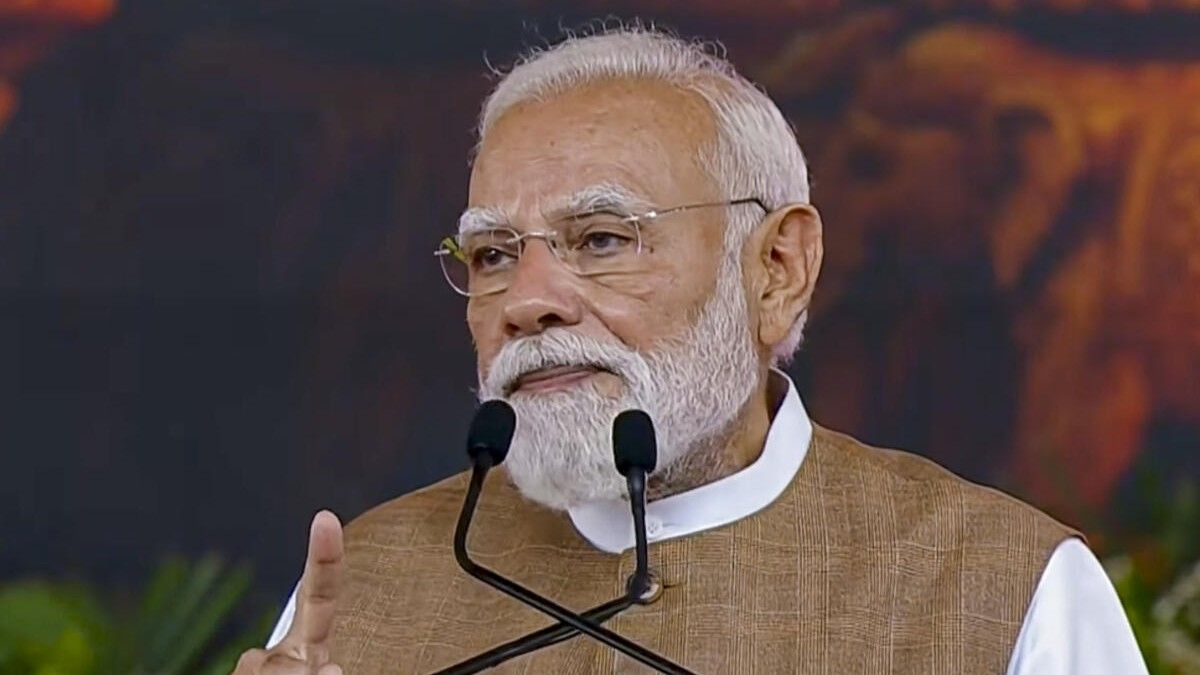
India positions itself as reliable semiconductor supplier with new Gujarat facility
Prime Minister Narendra Modi inaugurated Kaynes Semicon’s outsourced semiconductor assembly and test (OSAT) facility in Sanand, Gujarat. He emphasized India’s growing role in the global semiconductor ecosystem, citing the India Semiconductor Mission launched in 2021. The initiative aims to boost self-reliance, attract investments, and strengthen supply chain resilience.
Stay Ahead – Explore Now! NSE Indices Ltd Launches 11 New Sectoral Indices for Market
ADVERTISEMENT

Latest Updates

From Silt to Sustainability: BMC Starts Rejuvenati...
15 Jun 2026, 02:01 PM
Jharkhand Secures GI Tags for Bhagaiya Silk and Tr...
15 Jun 2026, 02:24 PM
Reel Deal: Mumbai International Film Festival 2026...
15 Jun 2026, 10:07 PM
Nepal Tea Trade: Factories Shut Down Over India’s...
15 Jun 2026, 10:03 PM
Motorola’s Foldable Fold-Off: Which New Razr Fits...
15 Jun 2026, 09:59 PMADVERTISEMENT

Top Stories
From Silt to Sustainability: BMC Starts Rejuvenati...
15 Jun 2026, 02:01 PM
Jharkhand Secures GI Tags for Bhagaiya Silk and Tr...
15 Jun 2026, 02:24 PM
Reel Deal: Mumbai International Film Festival 2026...
15 Jun 2026, 10:07 PM