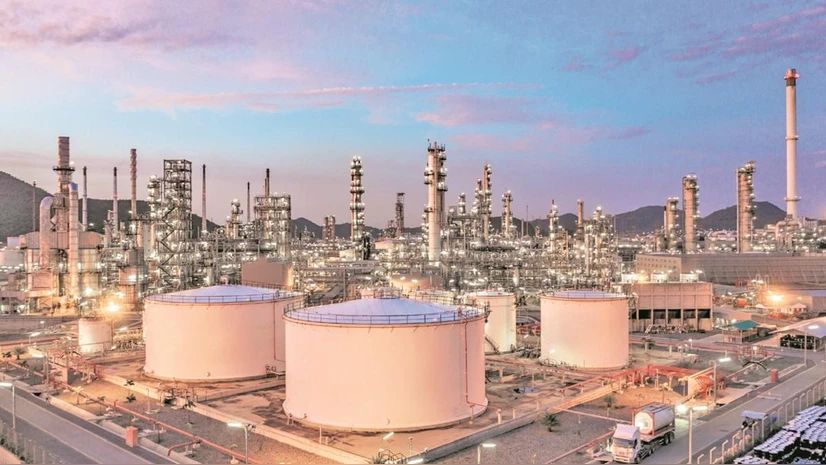
India has taken decisive steps to fast-track the ambitious National Deepwater Exploration Mission, unveiled by Prime Minister Narendra Modi on August 15, 2025, as part of the broader “Samudra Manthan” vision. The mission aims to significantly enhance domestic hydrocarbon production by...
India has taken decisive steps to fast-track the ambitious National Deepwater Exploration Mission, unveiled by Prime Minister Narendra Modi on August 15, 2025, as part of the broader “Samudra Manthan” vision. The mission aims to significantly enhance domestic hydrocarbon production by tapping into vast oil and gas reserves located in deepwater and ultra-deepwater offshore basins within India’s Exclusive Economic Zone (EEZ). This initiative marks a strategic pivot towards self-reliance in energy and reduction of costly fuel imports.
Key Highlights: Strategic Objectives and Government Action
The mission targets the rapid commencement of exploration, drilling, and eventual production of offshore deepwater oil and gas reserves, focusing on promising regions like the Andaman Sea, Krishna Godavari Basin, Cauvery Basin, and ultra-deepwater areas.
India seeks to double its hydrocarbon reserves by 2032 and triple national oil and gas output by 2047, curtailing dependence on imported crude oil which currently stands at approximately 88%.
The Petroleum Ministry, along with public sector oil and gas undertakings such as ONGC and Oil India Limited, is actively engaged in preparatory surveys, seismic studies, and identification of productive blocks for allocation.
A first bidding round for oil and gas blocks under the mission is imminent, inviting both domestic and international investors under a uniform, investor-friendly licensing regime.
The mission benefits from innovations in deep-sea technology, enhanced scientific research, and experience from related initiatives like the Deep Ocean Mission, launched in 2021 with a budget of over ₹4,000 crore.
Technological and Environmental Framework
Advanced technologies including deepwater drilling rigs, seismic imaging, and underwater autonomous vehicles are being deployed to map and assess reserves with greater precision and environmental sensitivity.
The mission aligns with India’s commitment to sustainable development, balancing energy exploration with marine biodiversity protection, ocean health monitoring, and pollution control.
Collaborative efforts with international bodies and research institutions enhance capability while safeguarding national interests in maritime resources.
The initiative complements other government efforts in renewable energy, aiming for an integrated approach to energy security.
Economic and Geopolitical Implications
From an economic perspective, the mission is expected to catalyze massive investments, generate employment, and stimulate local economies around coastal regions.
Reducing import dependence on oil and gas will strengthen India’s geopolitical position, mitigate vulnerabilities to global supply shocks, and improve the trade balance.
Indigenous exploration capabilities help India assert sovereignty over its EEZ resources while contributing to its Blue Economy goals.
The policy framework encourages private sector and foreign direct investment participation, fostering competitive exploration and accelerated development.
Current Progress and Next Steps
ONGC has reported halting crude production decline in FY25, with renewed efforts in deepwater projects playing a crucial role.
Upcoming fiscal year plans include substantial investments exceeding ₹34,900 crore for development and exploration drilling.
The government plans to establish a strategic fund to support critical and challenging deep-sea exploration projects.
Early exploration results and maiden production milestones are closely tracked to guide policy refinement and resource allocation.
Conclusion
India’s National Deepwater Exploration Mission symbolizes an ambitious leap to harness the untapped potential of deep-sea oil and gas reserves, reinforcing the nation’s vision of energy self-reliance by 2047. The multi-pronged strategy encompassing technology advancement, environmental stewardship, economic revitalization, and geopolitical prudence positions India for a resilient and sustainable energy future. As the mission unfolds, it charts a transformative path toward reducing imports, enhancing domestic production, and bolstering India’s stature in the global energy landscape.
Sources: Business Standard, PIB India, Swarajya Magazine