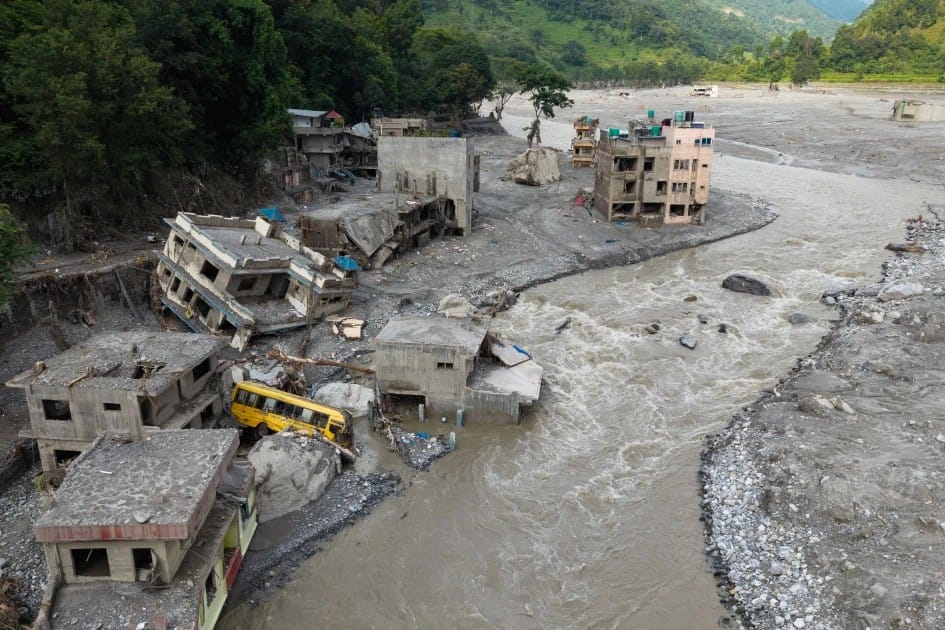
The death toll from catastrophic flash floods along the Nepal-China border has risen to 781, with 2,502 people missing, Nepal's disaster authority announced Sunday. Triggered by a glacier collapse, torrential waters swept through Himalayan river valleys, trapping hydropower workers in tunnels and forcing military teams into high-stakes rescue operations.
KATHMANDU — The verified fatality count from catastrophic flash floods along the Nepal-China border has reached 781, Nepal’s National Disaster Risk Reduction and Management Authority (NDRRMA) confirmed on Sunday.
Search-and-rescue teams entering their fifth consecutive day of operations face treacherous terrain, thick mud, and unstable water levels as they search for 2,502 people who remain unaccounted for across affected mountain districts. The disaster was triggered on Wednesday when a high-altitude glacier collapsed roughly 64 kilometers north of Kathmandu, driving a massive wall of water, mud, and boulders through river valleys along the Trishuli and Bhotekoshi river basins. In neighboring Tibet, Chinese authorities reported 16 deaths and 546 missing, bringing the total missing across the trans-Himalayan region to more than 3,000.
Tunnel Rescues and Mass Burial Operations
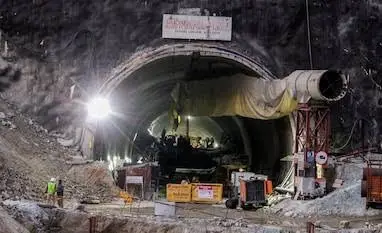
Emergency operations are concentrating heavily on submerged infrastructure and landslide-damaged settlements along the river corridors. Specialized military units are attempting to clear entrances and pump air into swamped tunnels at several hydroelectric power facilities, including the Upper Trishuli 3A and 3B project sites. Over 900 hydropower plant workers and personnel remain listed as missing in the valley floor sectors where the initial torrent struck.
Glacier Collapse Triggers Surge
Wednesday
A massive section of ice breaks off in the high Himalayas, surging down river valleys and breaching border posts near Gyirong Port.
Search Operations Scale Up
Thursday–Saturday
Nepal deploys nearly 20,000 security personnel to conduct air evacuations, clear mudslides, and search affected riverbanks.
Toll Reaches 781; Burials Begin
Sunday
Disaster officials confirm 781 fatalities in Nepal. Rescuers collect DNA samples and initiate mass burials for unidentified victims.
Due to rapid decomposition and limited mortuary capacity in rural mountain hospitals, Nepal authorities began performing mass burials on Sunday. Forensic teams are extracting DNA samples from recovered bodies prior to burial to allow family members to identify lost relatives once forensic matching is completed.
Official Sources Section
According to official releases from the National Disaster Risk Reduction and Management Authority (NDRRMA), emergency operations involve 19,895 security personnel, including elements from the Nepal Army, Nepal Police, and Armed Police Force Nepal. Official updates from the Ministry of Foreign Affairs Nepal indicate that international technical support—including specialized tunnel rescue equipment, refrigerated storage facilities, and advanced DNA testing kits—has been requested to assist domestic response teams.
Quote Section
"Our primary focus remains on reaching isolated communities, pumping water from hydro tunnels, and collecting DNA profiles to establish the identity of recovered victims," stated officials from the NDRRMA during a press update in Kathmandu.
Organizers and emergency coordinators stated that high-frequency river monitoring warnings remain active for downstream settlements along the Bhotekoshi and Trishuli rivers as water levels fluctuate.
Why It Matters
The disaster has disrupted critical trade corridors connecting Nepal and China, destroyed multi-million-dollar energy infrastructure, and displaced thousands of residents now staying in temporary relief camps. With more than 500 foreign nationals and hundreds of migrant workers among the missing, international diplomatic channels are actively coordinating with local disaster centers to track citizens. Long-term reconstruction costs across eastern Nepal are estimated to run into hundreds of millions of dollars.
Key Facts at a Glance
Total Fatalities: 781 confirmed dead in Nepal; 16 dead confirmed in Tibet, China.
Missing Persons: 2,502 missing in Nepal; 546 missing in Tibet.
Deployed Forces: Nearly 20,000 security personnel conducting search, rescue, and evacuation operations.
Critical Areas: Rasuwa, Nuwakot, and Sindhupalchok districts along the Trishuli and Bhotekoshi river basins.
Frequently Asked Questions
What caused the flash flood in Nepal?
Satellite imagery and geological assessments indicate the flood was caused by a massive glacier collapse and ice avalanche roughly 64 kilometers north of Kathmandu, which swept into river channels.
How many people are reported missing?
As of Sunday, Nepal's disaster agency reported 2,502 people missing, while Chinese state media reported 546 missing in Tibet.
What international assistance is Nepal receiving?
Nepal has requested specialized technical support, including tunnel-rescue equipment, DNA analysis kits, and forensic identification teams from international partners.
Source: Official releases from the National Disaster Risk Reduction and Management Authority (NDRRMA), diplomatic statements from the Ministry of Foreign Affairs Nepal, and updates from the Ministry of Home Affairs Nepal.