Uttarakhand tunnel projects face intensive safety scrutiny following recent structural accidents and hazardous unstable rock formations. State and central authorities are enforcing rigorous geotechnical audits, real-time stress monitoring, and revised standard operating procedures to protect workers and address fragile Himalayan geological challenges during construction.
Ongoing construction and hydropower tunnel projects across Uttarakhand face heightened safety scrutiny following recent structural accidents and hazardous unstable rock formations.
Safety Audits Triggered by Structural Failures
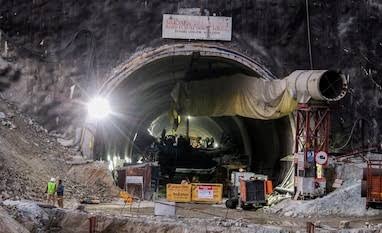
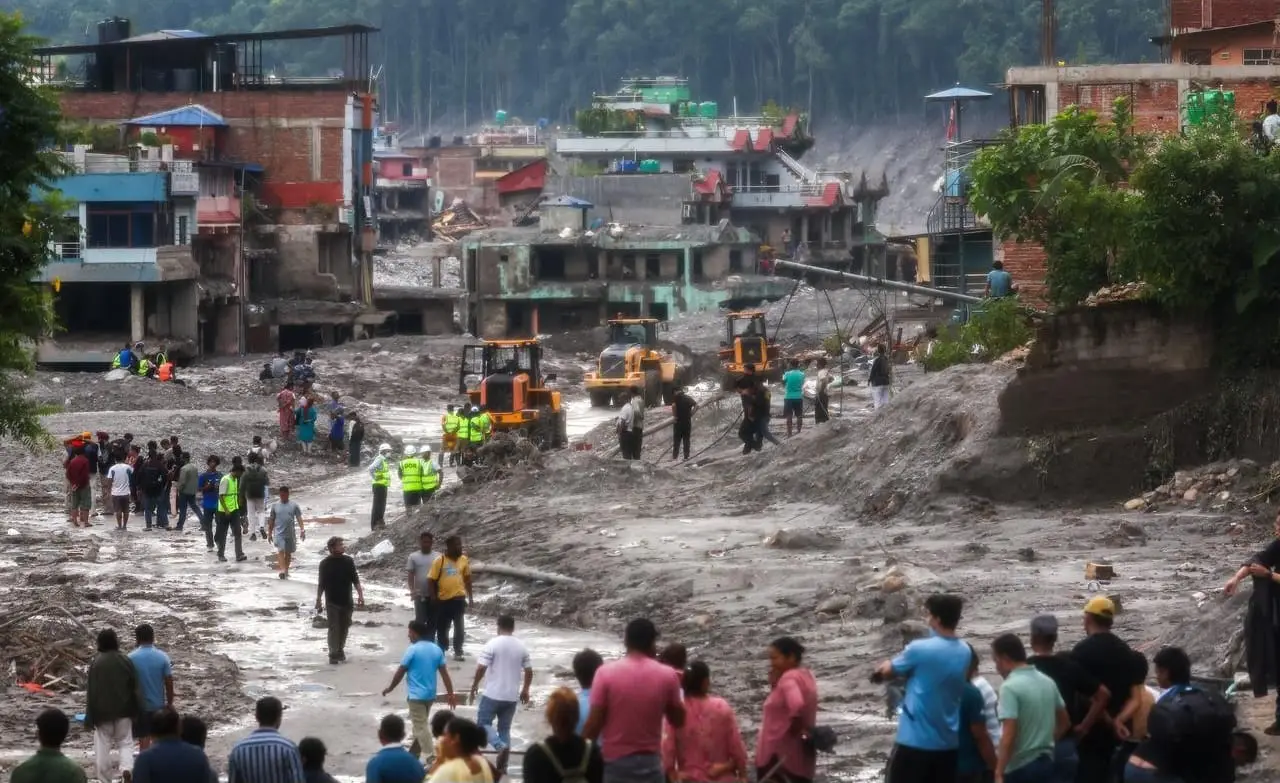
Multiple high-profile incidents across major infrastructure routes in Uttarakhand have intensified safety reviews by central and state agencies. Recent accidents, including severe water ingress and debris surges caused by land subsidence at project sites like the Vishnugad-Pipalkoti hydroelectric project in Chamoli and lining collapses along the Silkyara-Barkot route, have put engineering protocols under the microscope.
Geological assessments reveal that tunneling through the fragile Himalayan terrain frequently exposes unpredictable strata, including soft slate, phyllites, dolomitic limestone, and shear zones prone to heavy groundwater seepage. Experts and disaster management panels point out that inadequate pre-construction exploratory drilling and a lack of real-time deformation monitoring can leave workers vulnerable to sudden cave-ins.
Regulatory Response and Oversight Measures
In response to mounting safety concerns, the Uttarakhand state government and executing bodies such as the National Highways and Infrastructure Development Corporation Limited (NHIDCL) have ramped up site inspections. Authorities have mandated comprehensive revisions of Standard Operating Procedures (SOPs) for underground construction, focusing on real-time stress monitoring, mandatory worker tracking logs, and immediate structural stabilization of vulnerable zones.
"According to officials, executing agencies have been instructed to reassess all technical standards and reinforce vulnerable tunnel sections to prioritize workforce safety above completion timelines."
Practical Implications for Regional Infrastructure
The enhanced safety protocols aim to prevent catastrophic collapses but may introduce temporary delays in completing critical all-weather connectivity and renewable energy projects. For local communities, investors, and construction firms, striking a balance between accelerated infrastructure development and geological risk management remains an urgent priority.
Key Facts at a Glance
Trigger Events: Recent tunnel collapses, water bursts, and rock-lining failures across Uttarakhand.
Geological Challenges: Presence of fragile Himalayan strata, including slate, phyllite, and active shear zones.
Regulatory Action: Mandatory revision of safety SOPs, enhanced geotechnical audits, and real-time monitoring demands.
Core Objective: Mitigating subsurface risks to safeguard construction personnel and secure regional infrastructure.
Frequently Asked Questions
Why are Uttarakhand tunnel projects facing renewed safety scrutiny?
Recent accidents, structural collapses, and water ingress incidents driven by unstable Himalayan rock formations have triggered urgent safety audits.
What geological factors complicate tunneling in the region?
Tunnels frequently pass through weak sedimentary rocks, fault lines, and shear zones characterized by heavy water seepage and high susceptibility to subsidence.
What changes are authorities implementing to improve safety?
Agencies are revising construction SOPs, mandating real-time stress monitoring, and conducting rigorous geological inspections across all active sites.
How do these reviews impact ongoing infrastructure development?
While essential for protecting workers, stricter compliance measures and reinforced stabilization protocols may extend project timelines for regional roads and hydropower initiatives.
Source: National Highways and Infrastructure Development Corporation Limited (NHIDCL), Uttarakhand State Disaster Management Authority (SDMA)