





While amla is widely recognized as India’s richest source of Vitamin C, nutrition experts highlight five other local foods that pack a powerful punch. From guava and papaya to bell peppers, citrus fruits, and drumstick leaves, these options diversify diets, boost immunity, and promote overall wellness with accessible, nutrient-rich choices.
Vitamin C, or ascorbic acid, is essential for immunity, collagen production, and skin health. According to The Economic Times, HealthTurnedUp, and Stylecraze, India’s diverse agricultural landscape offers multiple Vitamin C-rich foods beyond amla, ensuring variety and balance in daily nutrition.
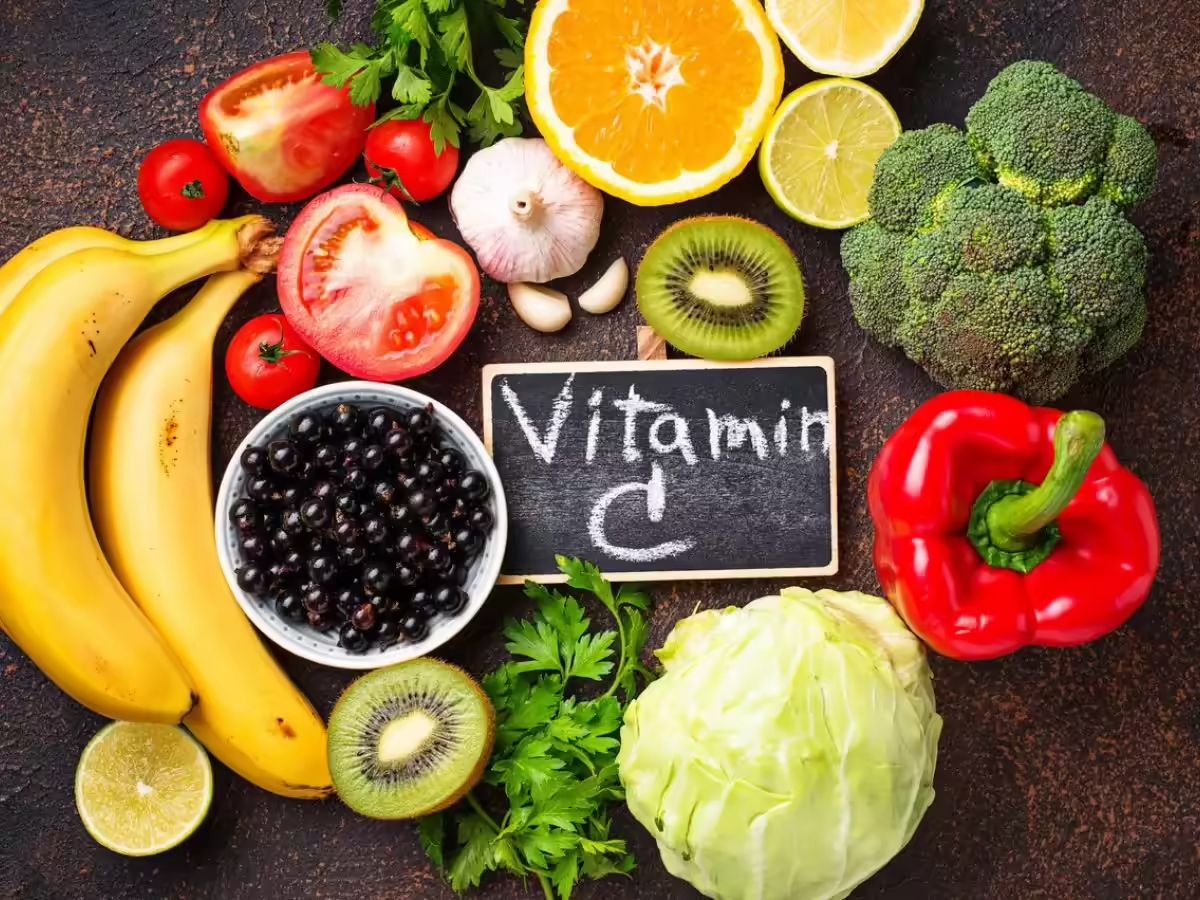
Guava tops the list, delivering nearly four times the Vitamin C of oranges, with about 228 mg per 100 g. Papaya provides antioxidants alongside Vitamin C, supporting digestion and skin health. Bell peppers (capsicum), especially the red variety, are loaded with Vitamin C and beta-carotene, making them excellent for eye and immune health.
Citrus fruits like oranges, lemons, and mosambi remain reliable sources, while drumstick leaves (moringa) stand out as a traditional superfood, offering Vitamin C along with iron and calcium. Together, these foods highlight India’s nutritional biodiversity and the importance of incorporating multiple sources into everyday meals.
Major Takeaways
-
Guava: ~228 mg Vitamin C per 100 g, four times more than oranges
-
Papaya: Rich in Vitamin C and digestive enzymes for gut health
-
Bell peppers: High in Vitamin C and beta-carotene for immunity and vision
-
Citrus fruits: Oranges, lemons, mosambi remain staple Vitamin C sources
-
Drumstick leaves: Traditional superfood with Vitamin C, iron, and calcium
-
Diversifying Vitamin C intake prevents nutritional monotony and enhances wellness
Conclusion
India’s Vitamin C powerhouses beyond amla—guava, papaya, bell peppers, citrus fruits, and drumstick leaves—offer accessible, affordable, and nutrient-rich options for daily diets. By embracing this diversity, individuals can strengthen immunity, improve skin health, and enjoy balanced nutrition rooted in India’s agricultural abundance.
Sources: The Economic Times, HealthTurnedUp, Stylecraze