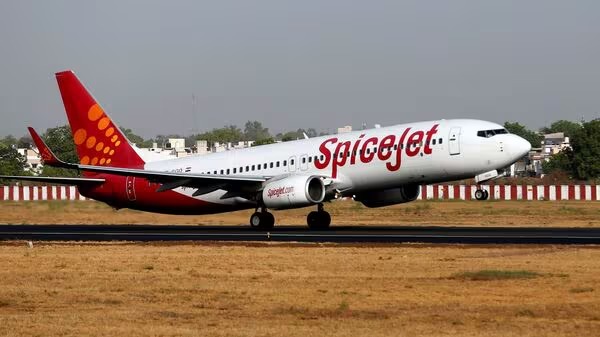







Despite mounting disputes with aircraft lessors, SpiceJet continues operations by relying heavily on wet-leased planes and a ₹3,000 crore fund infusion that helped settle creditor claims. Market turbulence, including IndiGo’s recent operational meltdown, has also created opportunities for SpiceJet to regain capacity and stabilize its fragile position.
SpiceJet, long considered financially beleaguered, has faced repeated challenges from aircraft lessors frustrated with delayed payments and disputes. Yet, the airline remains operational, thanks to a mix of strategic wet-leasing, opportunistic market gains, and fresh capital. According to reports, SpiceJet is now operating nearly as many wet-leased aircraft as those from its own fleet. The infusion of ₹3,000 crore over the past year allowed the carrier to settle several disputes with lessors and creditors, easing immediate financial pressure. Additionally, IndiGo’s mass cancellations earlier this month opened up market space, enabling SpiceJet to absorb demand and expand capacity. While its domestic market share dipped below 2% earlier this year, the airline is now adding capacity aggressively to claw back relevance.
Key highlights
• Heavy reliance on wet-leased aircraft to maintain operations
• ₹3,000 crore fund infusion helped settle disputes with lessors and creditors
• IndiGo’s operational meltdown created short-term opportunities for SpiceJet
• Domestic market share had fallen below 2% but is now recovering
• Expansion plans underway to regain lost ground in India’s aviation sector
Impact
SpiceJet’s survival underscores the precarious balance between financial distress and strategic improvisation. While short-term fixes keep it flying, long-term sustainability hinges on reactivating grounded aircraft and restoring investor confidence.
Sources: Livemint, News18, Moneycontrol