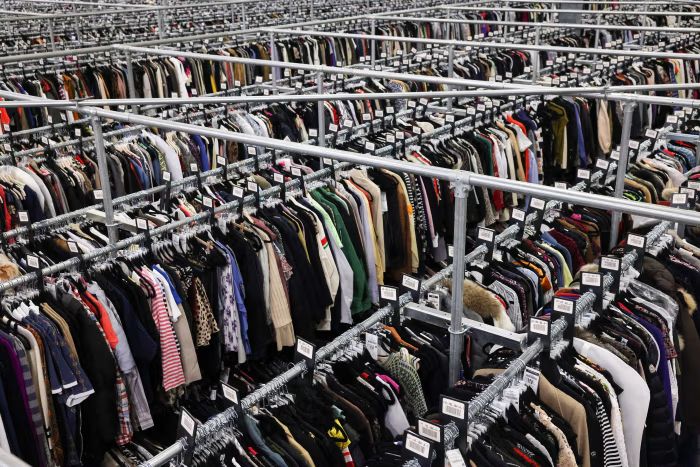

A cutting-edge warehouse powered by artificial intelligence is revolutionizing luxury retail by distinguishing authentic Louis Vuitton bags from counterfeits. Using advanced imaging, machine learning, and blockchain-backed authentication, the system ensures brand integrity while protecting consumers. This innovation highlights how AI is reshaping supply chains and combating the global counterfeit goods market.
The global luxury industry faces a persistent challenge: counterfeit goods. To tackle this, a newly developed AI-infused warehouse system is setting new standards in authentication. Designed to handle high-value items like Louis Vuitton handbags, the system integrates computer vision, deep learning algorithms, and blockchain verification to guarantee authenticity.
The warehouse employs multi-angle imaging and microscopic detail analysis, allowing AI to detect subtle differences in stitching, material texture, and logo placement—areas where counterfeiters often fall short. Once verified, each genuine bag is tagged with a digital certificate of authenticity, stored securely on blockchain, ensuring traceability throughout its lifecycle.
Industry experts note that this technology not only protects consumers but also strengthens brand reputation and reduces losses in the luxury sector. With counterfeit markets estimated at billions annually, AI-driven authentication could become a cornerstone of future retail logistics.
Key Highlights / Major Takeaways
AI-powered warehouse authenticates Louis Vuitton bags with precision
Uses computer vision and deep learning for micro-level inspection
Blockchain certificates ensure secure, traceable ownership
Protects consumers and brands from counterfeit losses
Marks a new era in luxury supply chain management
Sources: Forbes Tech, Business Insider Luxury Reports, Retail Dive