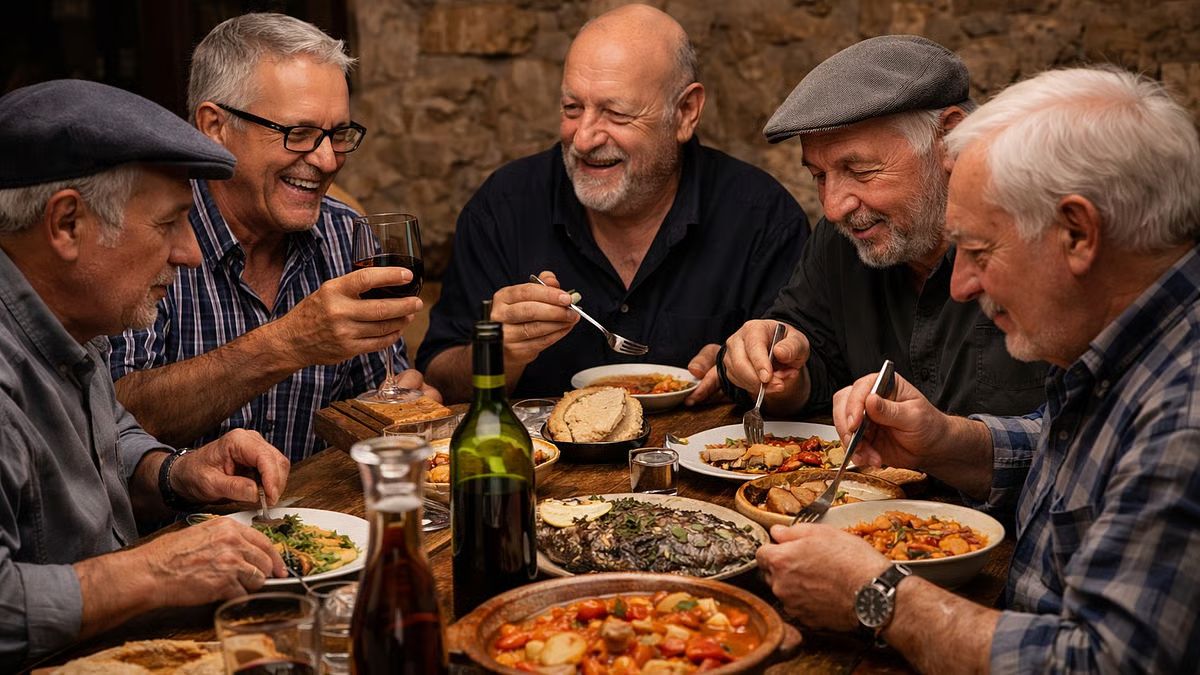

The Basque Txoko, a private dining club tradition in northern Spain, offers members a unique space to cook, eat, and socialize together. Rooted in community and culinary heritage, Txokos preserve Basque gastronomy while fostering camaraderie. These clubs remain central to cultural identity, blending food, friendship, and tradition in an intimate setting.
Hidden within the Basque Country’s cultural fabric lies the Txoko—a private dining club where food and fellowship take center stage. Originating in the 19th century, Txokos were created as spaces for men to gather, cook, and share meals. Over time, they evolved into inclusive institutions that celebrate Basque culinary heritage and community spirit.
Members of a Txoko collectively manage the club, pooling resources to buy ingredients and prepare meals. The emphasis is on collaboration, tradition, and enjoyment, rather than commercial dining. Unlike restaurants, Txokos are non-profit spaces, designed to preserve recipes, experiment with flavors, and strengthen social bonds.
Today, Txokos remain vital to Basque identity, offering a blend of gastronomy, culture, and camaraderie that continues to thrive in modern Spain.
Key Highlights / Major Takeaways
Txoko: Private Basque dining club rooted in tradition
Originated in the 19th century as community cooking spaces
Members share costs, cook together, and enjoy meals collectively
Focus on preserving Basque cuisine and fostering social bonds
Non-commercial, cultural institutions central to Basque identity
Sources: BBC Travel, The Guardian, Spain Culinary Heritage Reports