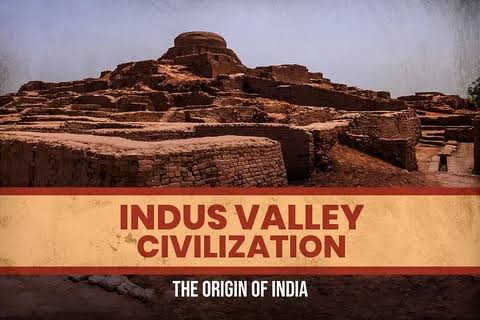







Researchers have identified prolonged droughts as the primary cause behind the disappearance of the Indus Valley Civilization, one of the world’s earliest urban societies. The findings highlight how shifting river patterns and hydroclimate stress forced populations to abandon cities like Harappa and Mohenjo-Daro, reshaping the trajectory of South Asian history.
A breakthrough study has shed new light on the centuries-old mystery of the Indus Valley Civilization’s decline. Flourishing between 2600 BCE and 1900 BCE across northwest India and Pakistan, the civilization was renowned for advanced urban planning, trade networks, and cultural sophistication. However, researchers now argue that extended droughts and river shifts were the decisive factors leading to its collapse.
Key Highlights:
- Hydroclimate Stress: Scientists from IIT Gandhinagar and Woods Hole Oceanographic Institution found evidence of prolonged droughts disrupting agriculture and water supply.
- River Dynamics: The weakening of the Indus River system reduced irrigation capacity, undermining food security.
- Urban Decline: Cities like Harappa, Mohenjo-Daro, Rakhigarhi, and Lothal were gradually abandoned as populations migrated to smaller rural settlements.
- Global Significance: The study underscores how climate change shaped ancient civilizations, offering lessons for modern societies facing similar environmental challenges.
- Cultural Legacy: Despite its decline, the Indus Valley left enduring contributions in trade, craft, and urban design.
Sources: Indian Express, NDTV, The Archaeologist