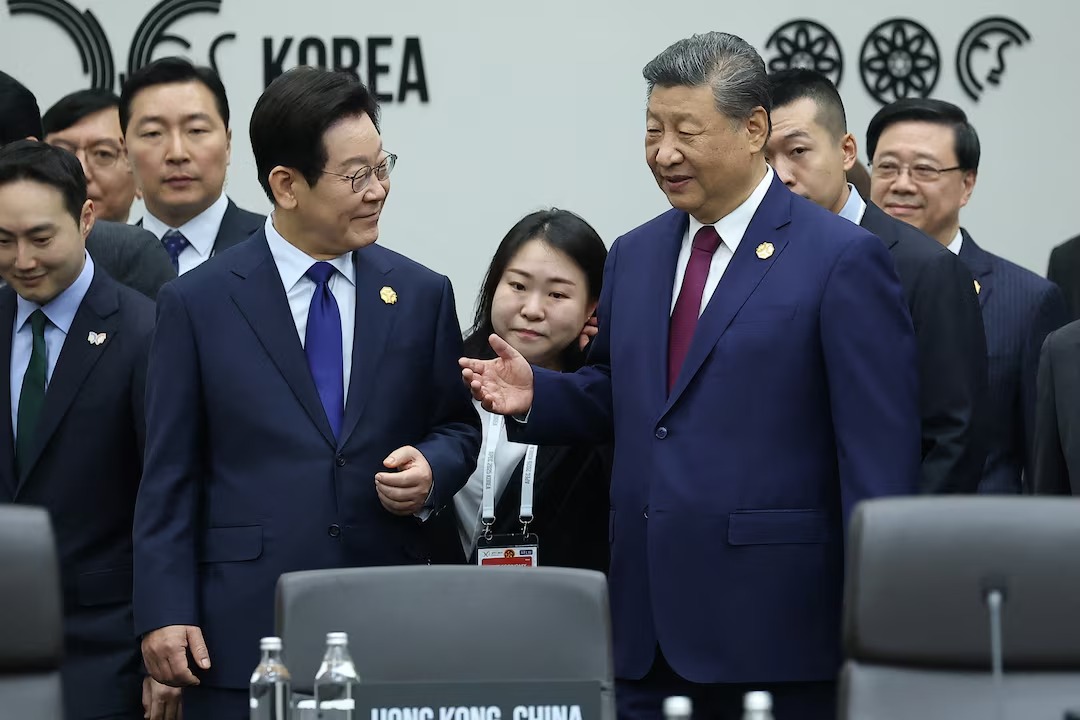





The 2025 APEC summit concluded in Gyeongju, South Korea, with leaders from 21 Asia-Pacific nations calling for shared trade benefits and resilient economic cooperation. The summit emphasized inclusive growth, digital innovation, and sustainability, while spotlighting a trade truce between the United States and China.
Asia-Pacific Leaders Unite For Inclusive Trade As Apec Summit Concludes In Gyeongju
Summary
The 2025 APEC summit concluded in Gyeongju, South Korea, with leaders from 21 Asia-Pacific nations calling for shared trade benefits and resilient economic cooperation. The summit emphasized inclusive growth, digital innovation, and sustainability, while spotlighting a trade truce between the United States and China.
A Unified Call For Equitable Growth
The Asia-Pacific Economic Cooperation (APEC) summit wrapped up on November 1, 2025, with a joint declaration urging member economies to pursue trade and investment policies that benefit all. Hosted in Gyeongju, South Korea, the summit brought together leaders from 21 Pacific Rim nations amid rising geopolitical tensions and economic fragmentation.
The declaration, known as the Gyeongju Statement, emphasized three core priorities: Connect, Innovate, and Prosper. It called for enhanced digital infrastructure, climate-resilient trade systems, and inclusive economic frameworks. The summit was notably shaped by a bilateral agreement between U.S. President Donald Trump and Chinese President Xi Jinping to ease trade tensions, setting a cooperative tone for the broader discussions.
Key Highlights
- APEC 2025 held in Gyeongju, South Korea from October 31 to November 1
- Leaders reaffirmed commitment to free, fair, and inclusive trade
- Gyeongju Declaration focused on connectivity, innovation, and prosperity
- Trade truce between U.S. and China influenced summit outcomes
- Emphasis on climate resilience, digital transformation, and equitable growth
Notable Updates
- South Korean President Lee Jae Myung hosted the summit and led key sessions
- Xi Jinping pledged China’s support for defending global free trade
- Discussions included AI governance, green supply chains, and SME empowerment
- APEC leaders agreed to strengthen multilateral institutions and reduce trade barriers
- The summit spotlighted regional cooperation amid global economic uncertainty
Outlook Ahead
The 2025 APEC summit reinforced the importance of collective action in navigating global trade challenges. With renewed commitments to sustainability, digital equity, and inclusive growth, member economies aim to build a resilient Asia-Pacific framework that balances innovation with shared prosperity.
Sources: The Print, The Week, US News, The Straits Times, Al Jazeera, The Korea Herald