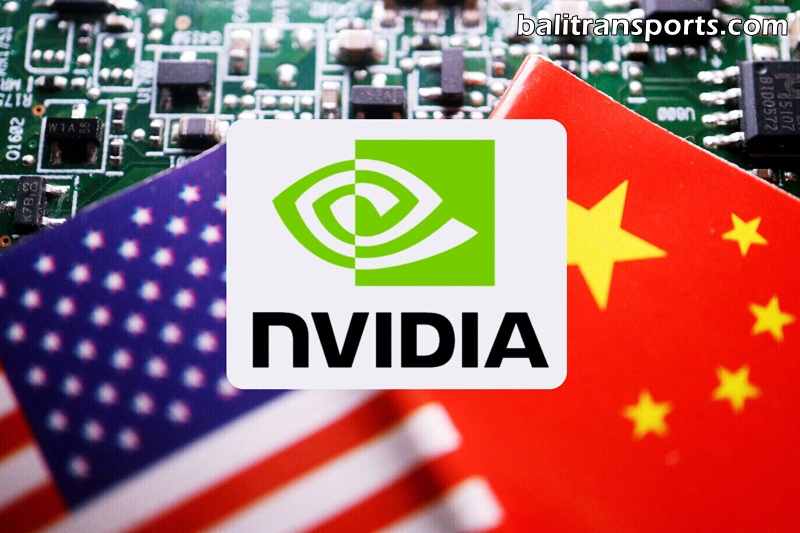

China has instructed domestic technology firms to halt new orders for Nvidia’s H200 AI chips while regulators reassess chip import conditions. Officials are also considering mandating domestic AI chip purchases alongside Nvidia orders, signaling tighter controls on advanced semiconductor imports.
China has moved to temporarily suspend new purchases of Nvidia’s advanced H200 artificial intelligence chips, marking a significant development in Beijing’s ongoing review of semiconductor import policies. The decision, communicated to major domestic technology companies, reflects growing regulatory scrutiny over reliance on foreign AI hardware.
According to the reports, Chinese authorities have asked firms to pause fresh orders of Nvidia H200 chips while the government evaluates potential changes to import conditions for high-performance AI processors. The review is part of broader efforts to strengthen domestic semiconductor capabilities and manage strategic technology dependencies.
The suspension is not described as a permanent ban but rather a holding measure until policy clarity is achieved. Officials are assessing whether future Nvidia chip purchases should be tied to additional requirements aimed at supporting China’s domestic AI chip ecosystem.
Key Developments And Context
-
China has instructed technology companies to halt new Nvidia H200 orders during the policy review period
-
Beijing has suspended ongoing and future Nvidia chip purchases pending a final decision on revised import conditions
-
Officials are exploring rules that may require companies to buy domestically produced AI chips alongside Nvidia products
-
The move highlights China’s efforts to balance access to cutting-edge AI hardware with long-term industrial self-reliance goals
-
Industry observers note that any mandated domestic purchase requirements could reshape procurement strategies for Chinese cloud, AI, and data center operators
The outcome of the review will be closely watched by global semiconductor markets, as it may affect Nvidia’s near-term sales in China and accelerate adoption of local AI chip alternatives.
Sources: The Information