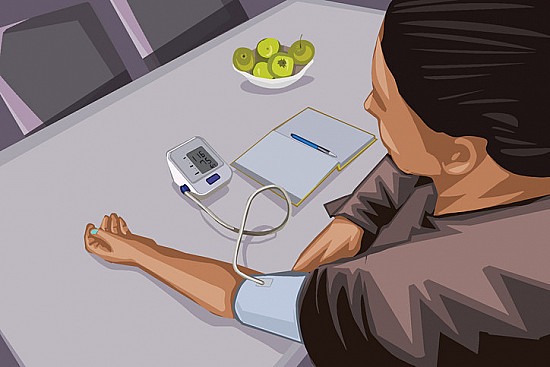

Image Source : Harvard Health
Many people experience normal blood pressure readings at home but elevated levels in a doctor’s clinic, a phenomenon known as white coat hypertension. Triggered by stress, anxiety, or fear during medical visits, this condition can lead to misdiagnosis if not carefully monitored through home or ambulatory checks.
Show more
Blood pressure fluctuations between home and clinic settings are increasingly recognized as a medical phenomenon called white coat hypertension. Experts explain that while readings at home may remain within the normal range, anxiety or stress during a doctor’s visit can temporarily elevate blood pressure, creating confusion for patients and physicians alike.
Key highlights from the announcement include
-
White coat hypertension occurs when blood pressure is normal at home but rises in a clinical setting.
-
Doctors note that stress hormones released during anxiety or nervousness can cause temporary spikes.
-
Factors such as rushing to appointments, climbing stairs, lack of sleep, caffeine intake, or even talking during the test can contribute to higher readings.
-
Cardiologists emphasize that while the condition is common, it should not be ignored, as persistent elevated readings may indicate underlying hypertension risks.
-
Unnecessary treatment can be avoided if patients undergo 24-hour ambulatory blood pressure monitoring or regular home checks.
-
Experts caution that untreated high blood pressure can damage the heart, kidneys, brain, and eyes over time.
-
Patients are advised to remain calm during clinic visits, avoid stimulants before tests, and share home readings with their doctors for accurate diagnosis.
-
Global studies, including those from Harvard Health, suggest that white coat hypertension carries a small but definite increase in cardiovascular risk.
The growing awareness of white coat hypertension highlights the importance of accurate diagnosis and patient education. By combining home monitoring with clinical assessments, doctors can distinguish temporary spikes from chronic hypertension, ensuring patients receive appropriate care without unnecessary medication.
Sources: Indian Express, Harvard Health, Verywell Health
Stay Ahead – Explore Now!
OpenAI Launches ChatGPT Health: Securely Linking Medical Records and Wellness Apps

Advertisement
Advertisement