India has launched its first heavy-duty electric trucks with battery-swapping technology, led by Blue Energy Motors and JNPA. Automated swap stations, port-level deployment, and an Energy-as-a-Service model promise faster adoption and lower costs. Together with LNG, battery swapping is set to drive India’s logistics decarbonisation and global competitiveness.
India’s commercial transport sector is on the cusp of a major transformation as battery-swapping technology makes its debut in heavy-duty electric trucks. The innovation promises to overcome one of the biggest hurdles in electrifying logistics, long charging times by enabling trucks to replace depleted batteries with fully charged ones in minutes.
Key Highlights
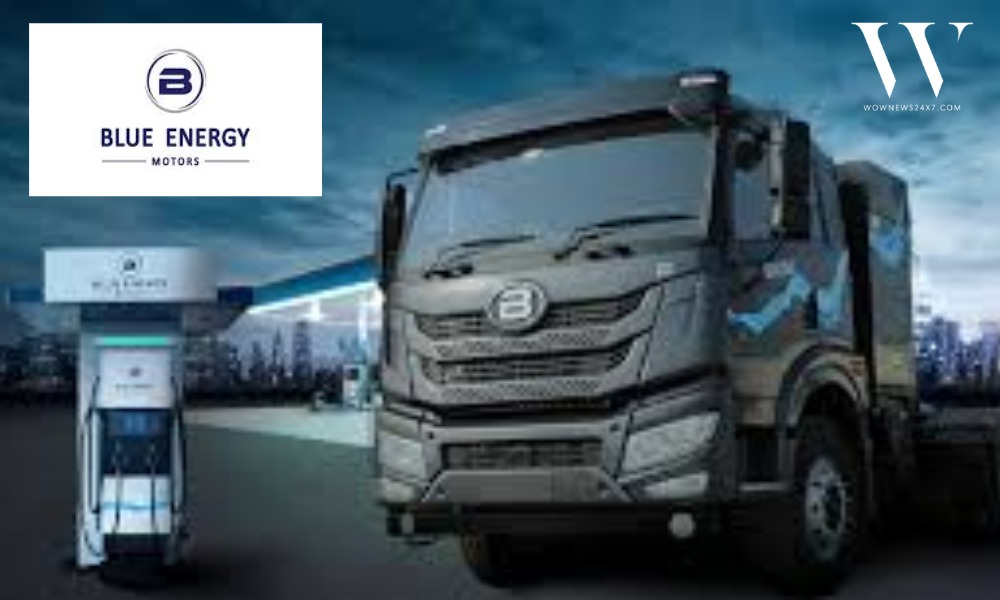
Blue Energy Motors Launch: In December 2025, Blue Energy Motors unveiled the BEM 5548e electric heavy-duty tractor truck at its Chakan facility. The truck features battery-swapping capability and was launched alongside India’s first automated, unmanned, voice-enabled battery swap station.
Electric Corridor: Maharashtra’s Deputy CM Devendra Fadnavis inaugurated the country’s first electric corridor for heavy-duty trucks between Mumbai and Pune, signaling government support for large-scale adoption.
Energy-as-a-Service Model: Blue Energy introduced an EaaS (Energy-as-a-Service) framework, separating battery ownership from the truck itself. This reduces upfront costs for operators and makes electrification more financially viable.
Port Deployment: In September 2025, the Jawaharlal Nehru Port Authority (JNPA) deployed India’s first fleet of 50 electric heavy trucks with swappable batteries, with plans to expand to 80 by year-end. Union Minister Sarbananda Sonowal hailed the initiative as a benchmark in port sustainability.
Decarbonisation Push: Industry leaders emphasize that battery swapping and LNG (Liquefied Natural Gas) will jointly drive India’s logistics decarbonisation, with EVs expected to dominate over the next decade.
Context and Impact
Battery swapping addresses critical challenges in electrifying heavy trucks: downtime, infrastructure costs, and range anxiety. By enabling quick turnaround times, it ensures that logistics operators can maintain efficiency without sacrificing sustainability.
The dual approach: LNG as a transitional fuel and EVs as the long-term solution is seen as pragmatic for India’s vast logistics sector. With government backing, private innovation, and port-level deployment, India is positioning itself as a global leader in sustainable freight transport.
Experts note that widespread adoption will depend on scaling swap stations, standardizing battery packs, and ensuring grid readiness. Yet, the momentum from Blue Energy Motors and JNPA signals that India is serious about electrifying its trucking backbone.
Sources: ETAuto, Truck & Bus Builder, Truck Bus India, ETInfra